What Does a Paper Crane Symbolize? The Deep Meaning of Orizuru
The art of origami is more than just a delicate hobby of folding paper; it is a profound language of symbols and intentions. Among the countless shapes one can create, the paper crane, known as Orizuru in Japanese, stands as the most iconic and culturally significant. But what does a paper crane symbolize, and why has this simple paper bird captured the hearts of millions worldwide?
In this comprehensive guide, you will explore the historical roots, the legend of the 1,000 cranes, and the powerful emotional weight this symbol carries in the modern era. Whether you are folding one for a friend or planning a massive display, understanding the soul of the Orizuru will transform your perspective on this ancient art form.
The Cultural Origins of the Paper Crane
To understand the paper crane, you must first understand the bird that inspired it: the Red-Crowned Crane (Grus japonensis). In Japanese culture, the crane is a mystical creature, often referred to as the “bird of happiness.”
The Red-Crowned Crane in Japanese Folklore
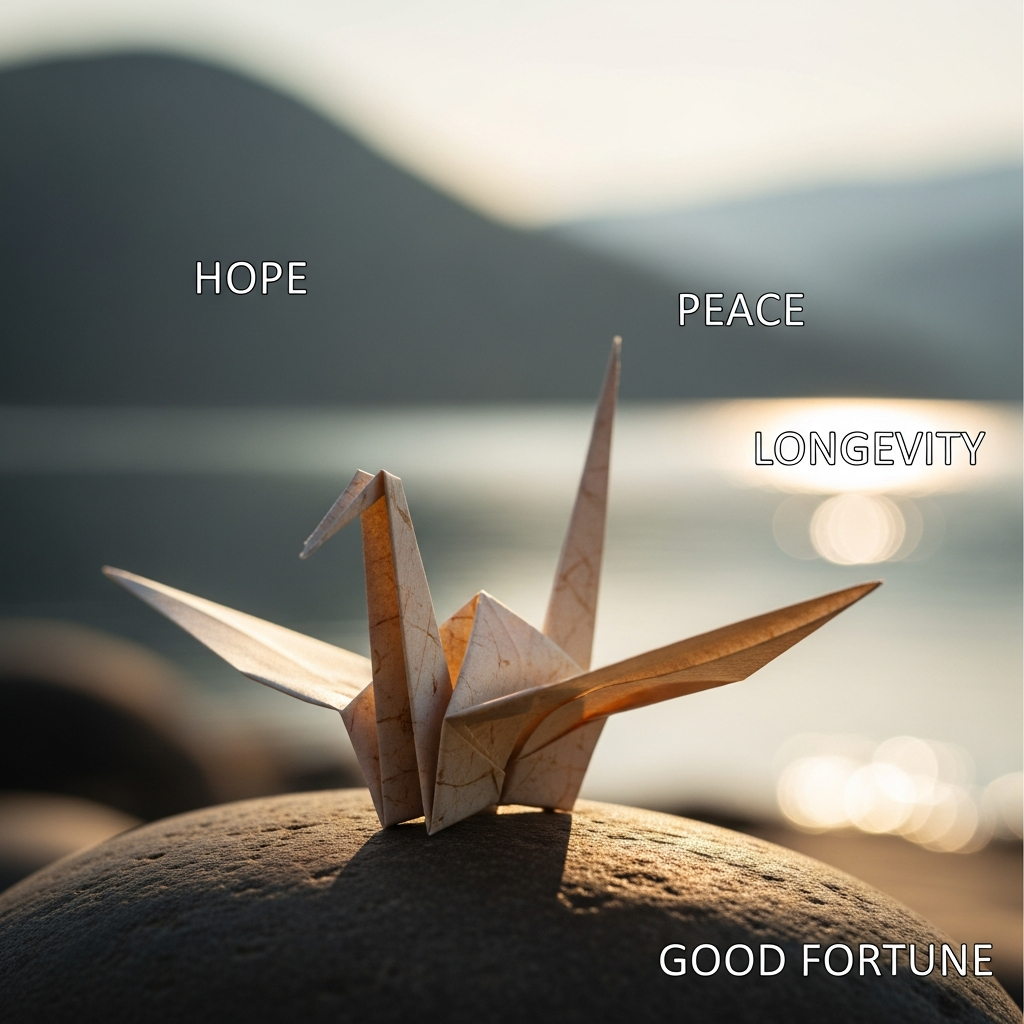
Historically, the Japanese believed that the crane could live for 1,000 years. Because of this incredible lifespan, the bird became a powerful symbol of longevity and immortality. It was often depicted in traditional paintings, kimonos, and screens as a companion to deities or as a messenger of good news.
From Living Bird to Paper Art
The transition from the biological bird to the paper model happened centuries ago. Origami, the art of paper folding, began in the Edo period (1603–1867). The paper crane was one of the earliest designs documented in books like the Hiden Senbazuru Orikata (Secret to Folding One Thousand Cranes), published in 1797. This highlights that the paper crane has been a staple of Japanese spiritual and artistic life for over two hundred years.
Core Symbolism: What Does a Paper Crane Represent?
While the meanings have evolved over time, several core themes remain consistent. When you give or receive a paper crane, you are participating in a tradition that communicates specific, high-vibrational intentions.
1. Longevity and Good Fortune
As mentioned, the crane is synonymous with a long life. In a traditional context, folding a paper crane is a way to wish someone a long, healthy life free from illness. It is a common gift for the elderly or those celebrating significant milestones, such as a 60th or 88th birthday.
2. Healing and Recovery
In modern times, the paper crane has become a universal symbol of healing. You will often see strings of cranes hanging in hospital rooms. The act of folding the crane is seen as a meditative prayer, with each fold representing a wish for the patient’s recovery and the restoration of their strength.
3. Peace and Reconciliation
Perhaps the most globally recognized meaning of the paper crane is peace. This symbolism was cemented after World War II, specifically through the story of the Hiroshima bombing. Today, the paper crane serves as a silent protest against nuclear proliferation and a plea for global harmony.
4. Eternal Hope and Resilience
The crane represents the ability to remain elegant and strong even in the face of adversity. It symbolizes the human spirit’s capacity to rise above suffering and maintain hope for a brighter future.
The Legend of Senbazuru: Why 1,000 Paper Cranes?
You may have heard of the term Senbazuru. This refers to a group of 1,000 paper cranes joined together by strings. But why exactly 1,000?
The Mythological Promise
According to Japanese legend, anyone who folds 1,000 paper cranes will be granted a wish by the gods. Some versions of the legend suggest that instead of a wish, the folder is granted eternal good luck or recovery from a severe illness.
The Spiritual Labor of Love
Folding 1,000 cranes is no small feat. It requires patience, discipline, and a significant time commitment. Because of this, a Senbazuru is considered a labor of love. When a group of people comes together to fold 1,000 cranes for someone else, the collective energy and intention are thought to be even more powerful.
Sadako Sasaki: The Girl Who Inspired the World
The story of the paper crane cannot be told without mentioning Sadako Sasaki. Her life transformed the paper crane from a traditional Japanese symbol into a global icon of peace.
The Story of Hiroshima
Sadako was only two years old when the atomic bomb was dropped on Hiroshima in 1945. Although she survived the initial blast, she developed leukemia ten years later due to radiation exposure. While in the hospital, her roommate told her the legend of the 1,000 cranes.
The Race Against Time
Sadako began folding cranes using any scrap of paper she could find—medicine wrappers, gift wrap, and labels. Her goal was to fold 1,000 cranes so she could wish for her health to return. While popular stories often say she died before reaching her goal, her classmates later clarified that she exceeded 1,000 cranes before passing away at the age of 12.
The Children’s Peace Monument
Sadako’s story touched the hearts of her peers and the world. Today, in the Hiroshima Peace Memorial Park, stands the Children’s Peace Monument. At the top is a statue of Sadako holding a large golden crane. To this day, millions of paper cranes from all over the world are sent to this monument every year as a tribute to her legacy and a prayer for world peace.
Modern Uses of Paper Cranes
In contemporary society, you will find paper cranes used in various meaningful ways that go beyond traditional folklore.
1. Weddings and Matrimony
In Japanese weddings, cranes are often used in decor or as part of the bride’s kimono. Since cranes are known to mate for life, they symbolize fidelity, devotion, and a happy marriage. A backdrop of 1,000 white cranes is a popular trend in modern weddings, representing the couple’s wish for a long and harmonious life together.
2. Memorials and Vigils
Following natural disasters or tragic events, communities often gather to fold cranes. This serves as a way to process grief and show solidarity with the victims. The cranes act as a visual representation of “we are with you.”
3. Home Decor and Mindfulness
Many people use paper cranes in their homes to invite positive energy. Hanging a single crane in a window can serve as a daily reminder to stay peaceful. The process of folding itself is a form of mindfulness, helping to reduce stress and focus the mind on the present moment.
Step-by-Step Guide: How to Fold Your First Paper Crane
If you feel inspired to create your own symbol of peace, follow these simplified steps. You will need a square piece of paper (origami paper is best).
- The Preliminary Fold: Fold the paper diagonally in both directions, then horizontally and vertically.
- The Square Base: Collapse the paper into a small square (also known as a waterbomb base or preliminary base).
- The Petal Fold: Fold the sides to the center crease, then unfold and pull the bottom corner upward to create a long diamond shape. Repeat on the back.
- Narrowing the Body: Fold the lower outer edges to the center crease on both sides (front and back).
- Forming the Neck and Tail: Use “inside reverse folds” to flip the two thin points upward.
- The Finishing Touches: Fold one point down to create the head. Gently pull the wings outward and blow into the small hole at the bottom to inflate the body.
The Significance of Colors in Paper Cranes
The color of the paper you choose can add another layer of meaning to your crane.
- Red: Passion, energy, and protection against evil.
- White: Purity, innocence, and new beginnings.
- Gold/Yellow: Prosperity, wealth, and divine grace.
- Blue: Calm, stability, and healing.
- Green: Growth, harmony, and vitality.
- Pink: Love, kindness, and femininity.
Expert Tips for Perfecting Your Paper Cranes
To ensure your cranes are beautiful and hold their symbolic power, keep these tips in mind:
- Precision Matters: Ensure your corners meet perfectly. In origami, a small error at the beginning becomes a large error at the end.
- Use Sharp Creases: Use your fingernail or a bone folder to make sharp, crisp lines. This makes the final “inflation” of the crane much easier.
- Choose the Right Paper: If you are a beginner, use standard 15x15cm origami paper. Thinner paper is better for the intricate folds of the crane’s neck and head.
- Intention is Key: As you fold, think about the person or the cause you are folding for. This “charges” the paper with your positive energy.
Frequently Asked Questions (FAQ)
What does it mean if someone gives you a paper crane?
It is a gesture of deep respect and well-wishing. Depending on the context, they are likely wishing you health, peace, or a long and happy life.
Can I fold more than 1,000 cranes?
Yes. There is no limit. In many large-scale art installations or community projects, tens of thousands of cranes are folded to amplify the message of hope.
Is it disrespectful to throw away paper cranes?
While not strictly “taboo,” it is better to recycle them or pass them on. In Japan, old Senbazuru are sometimes brought to temples to be ritually burned in a ceremony called Dondo Yaki, which releases the spirits of the wishes.
Do I have to use traditional origami paper?
No. You can use any square paper. Sadako Sasaki used medicine wrappers. The intention behind the folding is more important than the material used.
Conclusion: The Flight of the Paper Crane
The paper crane is a testament to the power of simple things. A single sheet of paper, through the patient application of human hands, becomes a vessel for the most profound human desires: peace, health, and love.
Whether you are folding a Senbazuru to seek a miracle or placing a single crane on your desk to find a moment of Zen, you are carrying forward a beautiful tradition. The next time you see a paper crane, remember that it is not just a bird—it is a silent prayer for a better world.
Are you ready to start your journey of 1,000 cranes? Grab a piece of paper, set your intention, and let your hope take flight.