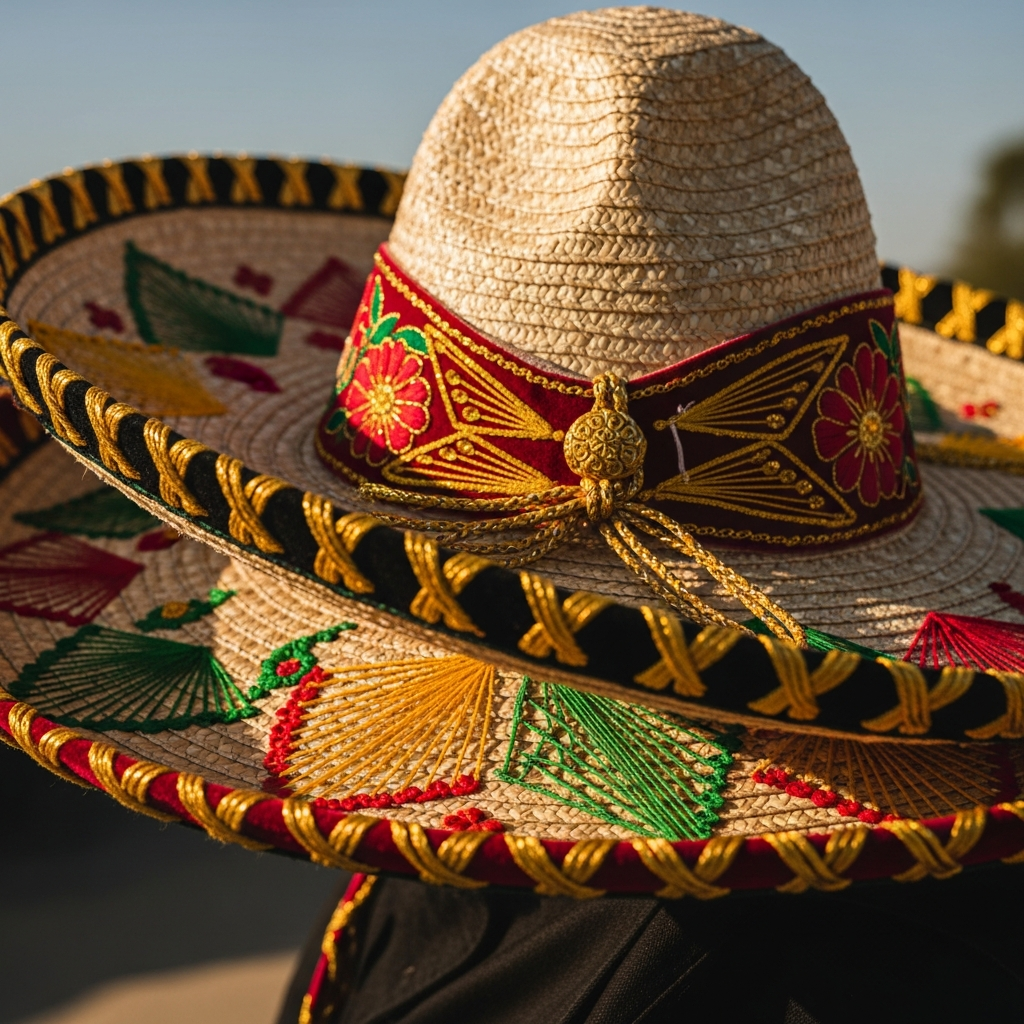
The Sombrero is perhaps one of the most recognizable pieces of headwear in the world, instantly conjuring images of warm climates, rich history, and vibrant Mexican culture. It is not merely a hat, but a powerful cultural symbol designed for the practical necessities of life under the intense sun, a testament to ingenious functional design. Every genuine Sombrero tells a story, from the quality of its materials to the intricacy of its stitching, making it a beloved icon that transcends generations and borders.

The essence of the Sombrero lies in its commitment to providing ultimate protection. Its name itself, derived from the Spanish word sombra, which means “shade,” directly points to its primary function. When you see a classic, oversized Sombrero, you are looking at a piece of practical art, perfected over centuries by people who understood the brutal reality of working or riding beneath a merciless sun. This magnificent, broad-brimmed headgear remains a staple of tradition and a fantastic fashion statement today.
What Exactly is a Sombrero? The Anatomy of a Cultural Icon
The classic Mexican Sombrero is defined by a few distinct characteristics that separate it from other broad-brimmed hats globally. These design elements are a brilliant combination of form meeting function, meticulously refined for the intense sun of the plains and highlands.
A Sombrero is a wide-brimmed hat, typically made of straw or felt, originating in Mexico. Its structure is purpose-built to provide maximum relief from the heat and glare of the sun. The defining features of a traditional Sombrero include:
- The Crown (Copa): Often tall and conical, or slightly pointed, designed to create a pocket of air above the wearer’s head, aiding in cooling.
- The Brim (Ala): Extraordinarily wide—sometimes measuring up to two feet (60 cm) in diameter—providing shade for the head, neck, and shoulders.
- Chin Strap (Barbiquejo): A necessary addition, often made of leather, ensuring the heavy hat stays securely in place during vigorous activity, such as riding.
- Materials: Traditionally constructed from strong, finely woven straw for everyday use, or plush, durable felt (like beaver or rabbit) for formal or ceremonial Sombrero styles.
This detailed engineering is what makes the Sombrero so unique and effective. Unlike a simple baseball cap, the wide brim casts a shadow over the entire upper torso, drastically reducing skin exposure and the risk of sunstroke, which was a constant danger for the charros and laborers of Central Mexico. The simple logic behind the expansive design of the Sombrero is a direct reflection of environmental need.
The Crown and the Brim: Engineering for the Sun
The shape of the Sombrero’s crown serves a crucial, often-overlooked function. Its height ensures that air can circulate freely, trapping a layer of cooler air between the head and the crown’s interior. In the scorching heat, this air barrier acts as a vital buffer against the sun’s direct radiant heat, making the experience of wearing the Sombrero considerably more comfortable than a tightly-fitting hat. The internal structure of the crown is sometimes reinforced to support the weight of the massive brim, particularly in the highly decorated ceremonial versions of the Sombrero.
But the brim is, of course, the star of the show when discussing the practicalities of the Sombrero. The characteristic upturn or curve at the brim’s edge on some styles is not just decorative; it helps channel air over the hat, which can provide an additional cooling effect and prevents the edges from flapping down into the wearer’s eyes during strong winds while riding. The sheer width of the brim on the most elaborate Sombrero models is truly staggering, acting as a personal, portable shade tree. This wide-brimmed design is the signature feature that makes the Sombrero globally iconic. It is this dedicated protection that cemented the Sombrero‘s place in history as the definitive headwear for the climate.
A Journey Through Time: The Deep History of the Sombrero
Tracing the exact origin of the Sombrero can be complex, as wide-brimmed hats have existed across many cultures for millennia as a simple, logical solution to sun exposure. However, the specific style and cultural icon we recognize as the Mexican Sombrero has a fascinating and layered history, starting centuries ago in Europe and fully blossoming on the North American continent.
The very word sombrero is a general Spanish term for any hat, and early versions of the protective headwear date back to Spain as early as the 15th century. These Iberian prototypes were also designed to protect against the sun (sombra), but the shape evolved dramatically when the concept crossed the Atlantic to the harsh, open plains of the New World. It was in Central Mexico, where cowboys (Mestizo vaqueros) needed robust, functional gear, that the traditional, massive-brimmed Sombrero began to take its distinct shape.
From Iberian Roots to the Mexican Plains
When Spanish settlers brought their cattle and riding traditions to Mexico, they found that the existing, relatively small-brimmed hats were wholly inadequate for the intense tropical and desert sun. The vast, treeless landscapes offered no natural shelter, forcing riders and field workers to innovate. Over the 18th and 19th centuries, the humble Spanish hat underwent a radical transformation, growing in both crown height and brim width to become the durable, all-encompassing Sombrero we celebrate today. This transition was a direct response to a harsh, new environment.
The first iterations of the truly Mexican Sombrero were simple, made of cheap, readily available materials like woven straw or felted animal hair, prioritizing utility over decoration. These were the working-class Sombrero designs, heavy on function and light on frills. As the design improved, manufacturers began using finer weaves and more durable materials, ensuring that the Sombrero could withstand years of hard use in the sun, wind, and occasional rain. The early history of the Sombrero is truly a story of necessity driving invention and cultural adaptation.
The Rise of the Charro Sombrero
The Sombrero reached its peak of iconic status when it became intrinsically linked with the charro, the traditional Mexican horseman. The charros were highly skilled riders and their attire—known as traje de charro—became a symbol of Mexican pride, especially after the country’s independence. Central to this formal riding suit was the elaborate Sombrero de Charro. This style of Sombrero moved far beyond simple utility; it became a declaration of status and artistry.
The Sombrero de Charro is distinguished by its size, its high, flat-topped crown, and most notably, its breathtaking ornamentation. These formal Sombreros were meticulously decorated with intricate silver or gold embroidery, often featuring patterns of foliage, national symbols like the eagle, or even scenes from Mexican history. Wearing this magnificent Sombrero was an immense point of pride, and the quality of the hat often reflected the charro‘s wealth and standing in the community. It was this highly visible, ornamental Sombrero that cemented the hat’s image as an international symbol of Mexico and its rich equestrian tradition. The history of the charro is inseparable from the history of the Sombrero.
The Sombrero in Culture: More Than Just a Hat
Today, the Sombrero functions far less as daily utilitarian wear and far more as a towering symbol of national identity and celebration. It has become one of the most powerful visual metaphors for Mexico, used globally in art, film, and festivals to represent the country’s warmth, heritage, and spirited culture. The significance of the Sombrero extends deep into the performance arts and national ceremonies.
The sheer size and elaborate nature of the formal Sombrero make it a spectacular performance piece. When a person dons a finely crafted Sombrero, they are taking on centuries of tradition and a rich cultural narrative. This is particularly true in traditional Mexican music and dance, where the Sombrero plays an active role in the choreography and presentation. The vibrant colors and bold designs of the various Sombrero styles contribute immensely to the visual richness of these performances.
The Mariachi Connection and Festive Wear
Perhaps the most universally recognized cultural association is the pairing of the Sombrero with Mariachi music. The Mariachi ensemble’s signature look is incomplete without the spectacular Sombrero de Charro. These musicians wear their Sombreros with pride, the elaborate embroidery and broad brims adding immense drama and presence to their performances. The use of the Sombrero by Mariachis is a relatively modern phenomenon compared to its history, cementing itself primarily in the 20th century as the definitive Mariachi uniform.
The formal Sombrero used in this context often features a crown wrapped in a toquilla, a band of braid or ribbon, and may be adorned with gala (silver or gold accents) that gleam under the stage lights. When a Mariachi singer performs a powerful song while wearing a commanding Sombrero, the entire presentation is elevated, transforming the performance into a true cultural spectacle. Furthermore, the Sombrero is an essential prop in traditional folk dances, such as the Jarabe Tapatío (the Mexican Hat Dance), where the Sombrero is placed on the ground and danced around. The lively movement around the hat itself is a celebration of the Sombrero as a central figure in Mexican culture.
Symbolism and National Identity
Beyond entertainment, the Sombrero embodies themes of resilience, pride, and historical continuity. For many, the Sombrero is a non-verbal declaration of cultural heritage. It represents the hardworking spirit of the campesino (farmer) and the proud, independent spirit of the charro.
Historically, certain colors and materials in the Sombrero were used to denote social rank or regional origin. For example, the materials and fineness of the weave in a straw Sombrero indicated the craftsmanship of a specific region. While many people outside of Mexico only encounter the oversized, brightly colored novelty versions, the authentic Sombrero carries a weight of cultural importance that few other items of clothing can match. It is a unifying symbol for Mexican people worldwide, a tangible connection to their roots, heritage, and shared history. The unwavering popularity of the Sombrero testifies to its enduring cultural power.
Crafted Perfection: Materials, Manufacturing, and Modern Trends of the Sombrero
The process of creating a high-quality Sombrero is a specialized craft that blends traditional techniques with modern needs. The choice of material and the method of construction determine the durability, comfort, and ultimately, the status of the final Sombrero. The Sombrero manufacturing process is a microcosm of evolving industry trends.

The most traditional Sombreros are classified primarily by the material used: straw for utility and felt for formality. Straw Sombreros are the oldest and most common type, utilized widely by laborers for their breathability and light weight. Fine, tightly woven straw, often from palm or wheat stalks, results in a more robust and longer-lasting Sombrero. Conversely, the formal Sombrero requires a denser material. Rabbit and beaver felt are highly prized for their luxurious texture, superior insulation, and ability to hold the Sombrero’s complex shape, ensuring the hat lasts a lifetime.
Traditional Craftsmanship: Straw, Felt, and Weaving Techniques
The creation of a felt Sombrero involves intricate steps, often starting with high-quality animal fur. This fur is subjected to a process of matting, rolling, and steaming to form the felt cone. The shaping of the tall crown and the expansive brim is done using specialized molds and heat, a process known as blocking. This is a delicate art, especially for the large-brimmed Sombrero, as the material must be stiffened to maintain its shape without cracking. The subsequent decoration, involving stitching, embroidery, and silver or gold plating, can take master artisans hundreds of hours to complete, transforming the hat into an opulent Sombrero.
Straw Sombreros rely more on the artistry of weaving. The quality is judged by the fineness and evenness of the weave. The Jarano, a popular style of Sombrero, often features a tighter weave, offering better sun protection and a more finished appearance than the simpler field Sombrero. The traditional skills required to produce these various types of Sombrero are often passed down through families, creating local dynasties of expert hat makers who specialize in different aspects of the Sombrero‘s construction.
Contemporary Evolution: Sustainable Sombreros and Fashion
The modern Sombrero industry is currently reflecting global trends, moving toward greater sustainability and customization. While mass-produced, lower-quality tourist Sombreros exist, there is a distinct and growing demand for high-end, artisan-made products. These contemporary makers are experimenting with sustainable materials and eco-friendly dyes, aligning the ancient craft of the Sombrero with 21st-century environmental consciousness. This movement ensures that the legacy of the Sombrero continues in an ecologically responsible manner.
Furthermore, the Sombrero has found new life as a high-fashion accessory. Designers are taking the core structure of the traditional Sombrero and adapting it with modern fabrics, abstract shapes, and subtle ornamentation for runways and international music festivals. This ‘cross-industry adoption’ has driven increased production volumes for all segments, even leading to specific growth in the children’s market for smaller, novelty Sombrero designs. Whether it’s a lightweight, fashion-forward straw piece or a custom, high-durability beaver felt Sombrero, the hat continues to evolve while honoring its foundational structure. The flexibility of the Sombrero to adapt to modern materials while maintaining its core aesthetic is key to its lasting appeal.
Sombrero Variations: A Style for Every Occasion
Not all Sombreros are created equal, and the term covers a range of styles that evolved to suit different regional needs, social statuses, and activities. The variations in crown height, brim size, and materials define the particular function and formality of each Sombrero type. Understanding these differences is key to appreciating the depth of the Sombrero as a cultural artifact.
For example, a common distinction is made between the work Sombrero and the ceremonial Sombrero. The work model, often called the Quinciano or a simple Sombrero de Campo (field hat), is typically made of light, inexpensive straw, features a smaller, less decorative brim, and is designed purely for the rigors of daily outdoor labor. In contrast, the ceremonial versions are opulent, heavy, and intended for parades or special events.
Key variations of the Sombrero include:
Sombrero de Charro (Charro Sombrero): The most famous and elaborate form. It features an extremely wide brim, a high, sometimes flat crown, and is heavily decorated with gala* (silver/gold ornamentation). This magnificent Sombrero is strictly for formal events, riding, or performances.
Sombrero Jarano: A refined style originating from the Yucatán Peninsula. It features a smaller, more manageable brim and a lower crown than the Charro* Sombrero. It is often made of fine palm straw or felt and is considered an important part of the region’s traditional dress. This particular type of Sombrero is highly valued for its craftsmanship.
- Sombrero Quinciano: A simple, high-utility work Sombrero. It is the most functional and least decorative, designed to be lightweight and purely protective. The brim on this Sombrero is less imposing, making it practical for moving through fields and narrow spaces.
Sombrero Poblano: A regional style associated with the state of Puebla, often recognized by its specific crown shape and decorative motifs that differ from the national Charro* standard.
Each of these variations of the Sombrero speaks to a different slice of Mexican life, illustrating how a single type of headwear can be adapted to fulfill a diverse array of social and practical roles. Whether simple or ornate, every single Sombrero maintains the essential commitment to shade and style. The history of the Sombrero is documented in the subtle changes in these regional styles.
The Enduring Legacy of the Sombrero
The journey of the Sombrero from a simple Spanish sun hat to a commanding global symbol is a remarkable cultural narrative. It is a powerful example of how a purely functional object, born of environmental necessity, can evolve into a profound emblem of national pride, artistry, and tradition. Few items of clothing possess the same instant, recognizable cultural power as the magnificent Sombrero.
Today, the authentic Sombrero continues to be produced by master artisans, preserving the weaving and crafting techniques that date back centuries. Though its role has shifted from everyday wear to celebratory attire, its significance has only grown. The Sombrero stands as a testament to the resilience of Mexican heritage, a constant, colorful reminder of a rich past that continues to influence the present. When one sees a stunning Sombrero, whether it’s in a parade, on a Mariachi stage, or in a high-fashion boutique, they are witnessing the enduring power of a truly legendary piece of headwear. The cultural significance of the Sombrero remains as expansive as its brim.
*
Frequently Asked Questions (FAQ)
What does the word “Sombrero” literally mean?
The word “Sombrero” is derived from the Spanish word sombra, which means “shade.” This directly explains the primary, original function of the Sombrero: to provide maximum shade and protection from the harsh sun.
What is the most famous type of Sombrero?
The most famous and elaborate type is the Sombrero de Charro (or Charro Sombrero). This is the highly decorative version worn by Mexican horsemen (charros) and Mariachi musicians. It is characterized by its exceptionally wide brim and rich ornamentation, often featuring silver or gold embroidery.
What materials are used to make a traditional Sombrero?
Traditional Sombreros are made primarily from two types of materials: finely woven straw (such as palm or wheat) for breathable, everyday utility hats, and high-quality animal felt (often rabbit or beaver fur) for the more durable and formal ceremonial hats.