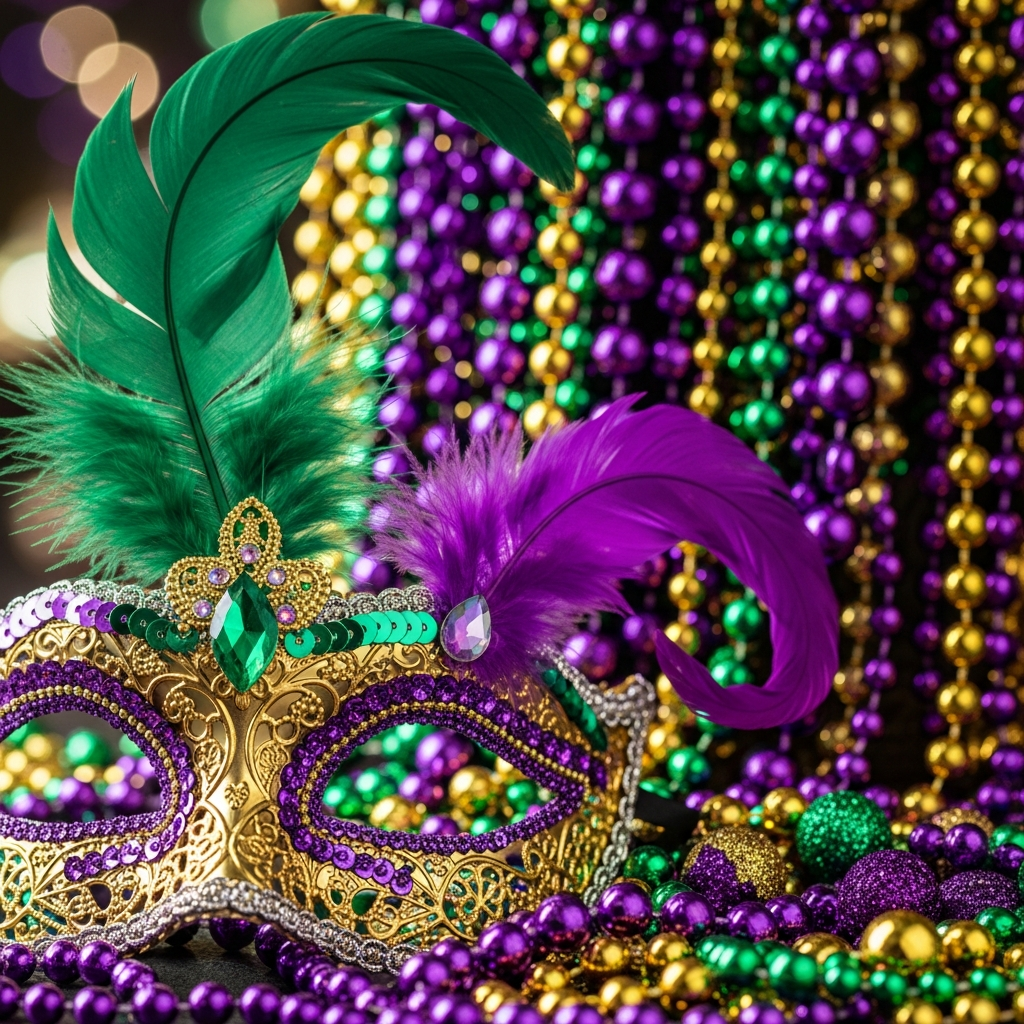
Mardi Gras, a period of joyous revelry before the solemn observance of Lent, captivates millions with its boisterous parades, elaborate costumes, and infectious spirit. Central to this grand spectacle are the iconic Mardi Gras colors: purple, green, and gold. These vibrant hues are far more than mere decorative elements; they form the very fabric of the celebration, each carrying profound historical and symbolic meanings that enrich the entire Carnival season. Understanding the significance behind these particular Mardi Gras colors unlocks a deeper appreciation for this time-honored tradition.

The universal recognition of these specific shades across everything from festive decorations to traditional pastries underscores their importance. As the Carnival season unfolds, streets, balconies, and participants alike are awash in this unmistakable triad, making the Mardi Gras colors an undeniable signature of the celebration. From the intricate floats to the smallest trinkets tossed into eager crowds, these colors are omnipresent, signaling a time of indulgence and community spirit.
The Core Palette of Celebration: What Are the Mardi Gras Colors?
The official Mardi Gras colors are purple, green, and gold. These traditional hues were formally adopted by the Krewe of Rex in 1872. Each color is imbued with distinct symbolism: purple represents justice, green signifies faith, and gold embodies power. This trinity of meanings forms the spiritual and cultural foundation of the Carnival festivities.
These three vibrant shades are instantly recognizable and have become synonymous with the festive atmosphere that characterizes Mardi Gras. Whether adorning a majestic parade float, sparkling on a string of beads, or dusting a slice of king cake, these Mardi Gras colors communicate a rich history and a deeper message to all who partake in the festivities. They are not merely arbitrary choices but a carefully considered palette that encapsulates the essence of the celebration, reflecting values that resonate deeply within the New Orleans community and beyond.
A Tapestry Woven in Time: The Fascinating History of Mardi Gras Colors
The origins of the beloved Mardi Gras colors can be precisely traced back to 1872, a pivotal year in the history of New Orleans Carnival. During this period, the city was striving to rebuild and rejuvenate itself after the challenging years of Reconstruction. To foster a sense of unity, promote tourism, and enhance the grandeur of the celebration, a group of prominent New Orleans businessmen founded the Rex Organization, which would host the city’s second official parade. This organization, still parading today, introduced the concept of a “King of Carnival” and played a crucial role in shaping many enduring Mardi Gras traditions, including the official selection of its signature colors.
The first Rex parade in 1872 marked the initial public display and proclamation of purple, green, and gold as the official Mardi Gras colors. Local newspapers of the era carried proclamations from the newly established “King of the Carnival,” instructing residents to adorn their balconies with these specific hues. This directive quickly established the visual identity that would define the celebration for generations to come. The decision to select these particular colors, however, has been the subject of various theories and historical debate over the years, adding an intriguing layer to their already rich story.
One widely circulated, though largely debunked, theory suggests that the Mardi Gras colors were chosen to honor the visiting Russian Grand Duke Alexei Alexandrovich Romanoff in 1872. It was believed that purple, green, and gold were the official colors of the Romanov dynasty, and therefore, newspapers encouraged the city to decorate in these shades to welcome the esteemed guest. While the Grand Duke’s visit was indeed a significant event that coincided with the first Rex parade, and parts of the parade were held in his honor, historical research by noted Mardi Gras historian Errol Flynn Laborde indicates that these colors were not actually part of the Russian royal family’s official symbolism. This demonstrates how compelling narratives can sometimes overshadow precise historical facts, yet the story remains a popular piece of local lore.
The true genesis of why these specific Mardi Gras colors were chosen, rather than just any three, appears to be rooted in the principles of heraldry, a system of designing and displaying coats of arms that was historically associated with royalty and nobility. According to the rules of heraldry, a prestigious emblem or flag requires a combination of “metals” and “colors”. Gold, being a metal and historically representing kingly status and high value, was a natural and obvious choice. Purple, an ancient and historically rare, expensive dye, had long been associated with royalty and power across various cultures, making it another fitting selection for the King of Carnival.
With purple and gold established, the final color choice for the tricolor scheme came down to either green or black, as these were among the five acceptable “colors” in traditional heraldry (red, blue, purple, green, black). Green was ultimately selected. Some historians propose that green was chosen to symbolize the plentiful hopes and prosperity that Mardi Gras could inspire within the population and for New Orleans itself. It was also a growing symbol of wealth in the late 19th century. The notion of a tricolor flag itself was also significant, mirroring the national flags of powerful nations like the United States, Great Britain, and France, further emphasizing the regal aspiration of the King of Carnival and his “kingdom”.
It wasn’t until twenty years after their initial introduction that the specific meanings associated with each of the Mardi Gras colors were formally declared. In 1892, the Rex organization’s parade theme was “Symbolism of Colors”. During this parade, floats explicitly depicted each color alongside its assigned meaning: purple for justice, green for faith, and gold for power. This official attribution cemented the symbolic interpretations that have been passed down through generations and remain universally recognized today. This historical development demonstrates a clear intention to infuse the festival with deeper values beyond mere revelry, making the Mardi Gras colors a meaningful representation of community ideals.
Beyond the Beads: The Profound Meanings of Mardi Gras Colors
The iconic Mardi Gras colors — purple, green, and gold — are not merely decorative; they serve as a powerful symbolic language, reflecting core values embedded within the celebration and the community it represents. Each hue tells a unique story, contributing to the rich tapestry of meaning that makes Mardi Gras such a culturally significant event. These colors elevate the festivities from a simple party to a deeply rooted cultural expression.
Purple: The Hue of Justice and Royalty
Purple, often considered a majestic and regal color, signifies justice within the context of Mardi Gras colors. This meaning resonates deeply with the festival’s historical ties to monarchy, particularly the “King of Carnival” (Rex) and the elaborate royalty present in many krewes. Historically, purple dye was exceptionally rare and costly, derived from specific sea snails, making it accessible only to the wealthiest and most powerful individuals, including emperors and kings. This ancient association with exclusivity and high status naturally translated into a symbol of royalty.
In Mardi Gras, purple’s connection to justice is multifaceted. It can represent the pursuit of fairness and integrity within the community, even amidst the playful blurring of social lines during Carnival. The color subtly reminds participants of the balance required between the excesses of celebration and the communal responsibility that underpins society. Furthermore, the grandeur of purple, seen in royal costumes, elaborate masks, and the lavish decorations of floats, underscores the idea of a just and well-ordered “kingdom” of Carnival. It brings a sense of dignity and gravitas to the otherwise exuberant festivities, ensuring that the spectacle has an underlying moral framework. The extensive use of purple in the Mardi Gras colors scheme ensures this connection is visually reinforced year after year.
Green: The Shade of Faith and Renewal
Green, the second of the distinctive Mardi Gras colors, is traditionally associated with faith. This symbolism is particularly relevant given Mardi Gras’s origins as a Christian tradition, serving as the final celebration before the penitential season of Lent. While Mardi Gras is often perceived as a period of unrestrained indulgence, its roots are deeply spiritual, preparing participants for a time of reflection and fasting. Green, therefore, acts as a bridge, reminding celebrants of the spiritual journey ahead.
Beyond its direct religious connotations, green also embodies a broader sense of faith—faith in community, resilience, and the hope for renewal. As the Carnival season often coincides with the approach of spring, green can also symbolize growth, new beginnings, and the enduring vitality of life. This shade is prominently featured in decorations, often alongside lush foliage or festive designs, bringing a sense of natural beauty and profound connection to heritage. The selection of green as one of the fundamental Mardi Gras colors thus provides a grounding element, suggesting that even in the midst of wild celebration, there is an underlying current of hope and a shared belief in the future. It’s a color that speaks to both spiritual and communal fortitude, weaving a deeper narrative into the festive display.
Gold: The Gleam of Power and Prosperity
Rounding out the triad of Mardi Gras colors is gold, representing power. This association is perhaps the most intuitively understood, as gold has been universally recognized as a symbol of wealth, magnificence, and nobility for centuries. In the context of Mardi Gras, gold reflects not only material richness but also the inherent power of the event itself—its ability to draw people together, create unforgettable experiences, and embody the collective energy of the community.
The opulent display of gold is evident everywhere during Mardi Gras. From the gilded crowns worn by Carnival royalty to the shimmering decorations on floats, and the countless golden beads tossed to excited crowds, this color exudes an aura of splendor and abundance. It speaks to the extravagance and celebratory nature of the festival, where rich foods, elaborate costumes, and vibrant parades mirror the wealth of culture and tradition. Gold also highlights the theme of power as it relates to the various krewes, their leaders, and the temporary “monarchy” of Carnival. The brilliant gleam of gold among the Mardi Gras colors signifies joy, enthusiasm, and the bountiful spirit of a celebration that encourages everyone to partake in its magnificent display. This powerful visual element reinforces the grand scale and importance of the festivities, making gold an indispensable component of the traditional palette.

The Widespread Influence: Mardi Gras Colors in Culture and Festivity
The Mardi Gras colors of purple, green, and gold have permeated every aspect of the Carnival season, becoming an indelible part of its cultural identity. Their presence is so pervasive that it’s nearly impossible to experience Mardi Gras without encountering this iconic trio, whether in New Orleans or in other communities that celebrate Fat Tuesday. These colors unify the diverse elements of the festival into a cohesive, recognizable whole.
One of the most immediate and tangible ways these Mardi Gras colors manifest is through decorations and throws. During parades, floats are meticulously adorned with intricate designs that prominently feature purple, green, and gold. These elaborate mobile art pieces become dazzling spectacles, illuminating the streets and captivating onlookers. The famous “throws” — trinkets tossed from floats to the eagerly awaiting crowds — are also overwhelmingly in these shades. Strings of beads, a quintessential Mardi Gras souvenir, come in various combinations of purple, green, and gold, becoming cherished symbols of participation. Doubloons, collectible metal or wooden coins, are often minted in these traditional colors, showcasing krewe emblems on one side and parade themes on the other. The sheer volume of these colorful items creates an immersive experience, physically connecting spectators to the heart of the celebration.
Costuming and attire also heavily feature the Mardi Gras colors, allowing participants to embody the festive spirit. While intricate, themed costumes are a hallmark of the krewes and their riders, even spectators embrace the color scheme. From simple t-shirts and accessories to elaborate gowns, suits, and feathered masks, purple, green, and gold are the go-to choices for Mardi Gras fashion. This widespread adoption creates a vibrant, moving mosaic of color throughout the streets, transforming the entire city into a living tableau. Contemporary fashion trends for Mardi Gras continue to integrate these classic colors, sometimes adding modern twists like metallic finishes or iridescent fabrics, but always keeping the traditional palette at the forefront. This blend of tradition and modernity keeps the visual appeal of Mardi Gras colors fresh and exciting each year.
No discussion of Mardi Gras culture would be complete without mentioning King Cakes, a delectable pastry that symbolizes the Epiphany and the arrival of the three kings. These circular cakes are traditionally decorated with icing or sugar in purple, green, and gold, making them a delicious manifestation of the festival’s iconic palette. A tiny plastic baby is often hidden inside, and finding it is believed to bring luck—and the responsibility of buying the next cake. The King Cake’s visual appeal, deeply tied to the Mardi Gras colors, makes it an indispensable part of seasonal gatherings, from Twelfth Night until Fat Tuesday. It serves as a sweet, edible reminder of the rich symbolism that permeates the celebration.
The influence of Mardi Gras colors extends beyond New Orleans, with other cities and communities that celebrate Carnival adopting this vibrant trio. While New Orleans is the most famous epicenter, places like Mobile, Alabama (which claims the oldest continuous Mardi Gras celebration in the U.S.), Galveston, Texas, and Lafayette, Louisiana, also embrace purple, green, and gold as their festive colors, demonstrating the widespread impact and recognition of this tradition. This universal adoption speaks volumes about the enduring power and appeal of these specific hues.
Moreover, the Mardi Gras colors have even found their way into urban legends and local lore. A popular, albeit often disputed, story claims that the colors influenced the school colors of archrivals Louisiana State University (LSU) and Tulane University. The legend suggests that when LSU was choosing its colors, stores were heavily stocked with purple, green, and gold for Mardi Gras. LSU purportedly bought all the available purple and gold, leaving Tulane with predominantly green options, hence their green and blue colors. While historians largely consider this a charming myth, it highlights how deeply ingrained the Mardi Gras colors are in the regional consciousness, extending even to collegiate rivalries.
Embracing the Spirit: Incorporating Mardi Gras Colors into Your Celebration
Bringing the vibrant spirit of Mardi Gras into your own home or community celebration is made wonderfully simple by embracing the iconic Mardi Gras colors of purple, green, and gold. These hues serve as an immediate and joyful invitation to partake in the festivities, allowing everyone to connect with the rich traditions of Carnival. Whether you’re planning a grand party or a subtle nod to Fat Tuesday, integrating these colors is the key to creating an authentic atmosphere.
For decorating, the possibilities are truly endless when utilizing the Mardi Gras colors. Start with a base of streamers, balloons, and tablecloths in purple, green, and gold. You can create eye-catching focal points with elaborate centerpieces featuring masks, feathers, and floral arrangements in this triad. Consider hanging string lights in the festive colors to cast a warm, celebratory glow. Even simple touches like using colored napkins, plates, and cups can transform a gathering space. For those who enjoy a bit of sparkle, glitter—another hallmark of Mardi Gras—can be liberally applied to various decorations, enhancing the festive shine of the gold and the richness of the purple and green. Remember, the goal is to evoke the overflowing abundance and visual spectacle of a New Orleans parade right in your own setting.
When it comes to costume ideas, the Mardi Gras colors provide a fantastic foundation. You don’t necessarily need an elaborate, full-body costume to participate; simply wearing clothing in purple, green, and gold instantly signals your celebratory mood. For a more traditional look, consider a jester outfit or a regal king or queen costume, complete with crowns and capes adorned in these symbolic shades. Masks, often embellished with feathers and glitter, are essential accessories that allow for anonymity and playful mischief, perfectly aligning with the spirit of Carnival. For those who prefer a subtler approach, accessories like beaded necklaces (an absolute must-have throw), headbands, scarves, or even just brightly colored makeup can infuse your personal style with the essence of Mardi Gras. The beauty of these Mardi Gras colors is their versatility, allowing for both maximalist and minimalist interpretations of festive attire.
Food and drink suggestions also lend themselves beautifully to the Mardi Gras colors theme. Beyond the traditional King Cake with its iconic colored sugar, think creatively about your culinary offerings. Cupcakes, cookies, and other desserts can be decorated with purple, green, and gold icing. Festive beverages, both alcoholic and non-alcoholic, can be crafted or dyed to match the palette. For instance, a green-tinted cocktail or a purple grape juice punch would be delightful additions. Even savory dishes can be presented with a nod to the colors, perhaps using colored peppers or edible garnishes. The visual appeal of food in these festive colors enhances the overall sensory experience of your celebration, making every bite and sip a part of the Mardi Gras immersion.
Ultimately, embracing the Mardi Gras colors is about more than just aesthetics; it’s about tapping into a rich history and a profound cultural narrative. These colors invite participation, foster a sense of community, and remind everyone of the unique blend of indulgence, reflection, and joy that defines the Carnival season. By incorporating purple, green, and gold into your festivities, you honor a cherished tradition and ensure that the “good times roll” with authentic flair.
The Unifying Power of Mardi Gras Colors
The enduring appeal of Mardi Gras lies in its unique blend of historical tradition, exuberant celebration, and profound symbolism. At the very heart of this vibrant spectacle are the iconic Mardi Gras colors—purple, green, and gold. These hues are not merely a decorative choice but a carefully chosen palette that weaves together the rich tapestry of the festival’s meaning, reflecting values of justice, faith, and power that resonate deeply within the human experience.
From their formal adoption by the Rex organization in 1872, influenced by principles of heraldry and crowned with symbolic meanings in the 1892 “Symbolism of Colors” parade, these Mardi Gras colors have become an inseparable part of the Carnival identity. They adorn every aspect of the celebration, from the elaborate floats and coveted throws to the traditional King Cakes and the festive attire of participants. This pervasive presence ensures that the messages of equity, spiritual hope, and communal strength are visually reinforced and celebrated by all.
The legacy of purple, green, and gold extends far beyond the streets of New Orleans, influencing cultural expressions and festivities wherever Mardi Gras is observed. They serve as a powerful reminder that even in moments of grand revelry, there are deeper meanings and shared values that bind communities together. The Mardi Gras colors are a testament to how visual elements can communicate complex historical narratives and enduring cultural significance, fostering a timeless connection between past, present, and future celebrations. As beads fly and music fills the air, these colors continue to inspire joy, reflection, and a deep appreciation for one of the world’s most cherished traditions.
FAQ
Q1: What do the three traditional Mardi Gras colors represent?
A1: The three traditional Mardi Gras colors are purple, green, and gold. Purple symbolizes justice, green represents faith, and gold stands for power. These meanings were officially assigned during the 1892 Rex parade with the theme “Symbolism of Colors.”
Q2: When were the Mardi Gras colors first established?
A2: The Mardi Gras colors of purple, green, and gold were first established in 1872 by the Krewe of Rex, one of New Orleans’ oldest and most renowned Mardi Gras societies. The specific meanings for each color were formally attributed twenty years later in 1892.
Q3: Why were these specific Mardi Gras colors chosen historically?
A3: The choice of these particular Mardi Gras colors appears to be rooted in the rules of heraldry, a system for designing coats of arms. Gold was selected as a “metal” representing royalty and value, while purple, a historically expensive dye, also symbolized royalty. Green was then chosen over black as the final “color” to complete the tricolor scheme, possibly to symbolize hope and prosperity.
Q4: Are the Mardi Gras colors used in other parts of the world?
A4: While most famously associated with New Orleans, Louisiana, the traditional Mardi Gras colors of purple, green, and gold are widely adopted in other cities and communities that celebrate Carnival or Fat Tuesday, particularly those with strong French or Catholic heritage in the United States, such as Mobile, Alabama, and Lafayette, Louisiana.
Q5: Do people still wear Mardi Gras colors if they’re not in a full costume?
A5: Absolutely! Many people wear clothing or accessories in the traditional Mardi Gras colors of purple, green, and gold even if they aren’t in a full costume. This is a common way to show festive spirit and participate in the celebration, whether at parades, parties, or other Carnival events.