There are few pieces of American folklore that captivate the imagination quite like the creature known as the Jackalope. This fantastic animal—a rabbit seemingly crossed with a deer—has permeated pop culture for nearly a century, but its most defining feature, the Jackalope Antler, remains the subject of countless jokes, serious collecting, and deep regional pride. It is a symbol that perfectly captures the spirit of the American West: a land where tall tales are often more celebrated than cold, hard facts.
The story of this elusive, horned hare is a rich tapestry woven from entrepreneurial spirit, Depression-era necessity, and a simple piece of taxidermy. People are drawn to the image of the fearless rabbit with its impressive crown, and this fascination is the driving force behind a vibrant sub-economy. The continued popularity of the creature, and specifically the iconic Jackalope Antler, proves that sometimes, the greatest treasures are found not in reality, but in the power of a good story.
What Exactly is a Jackalope Antler?
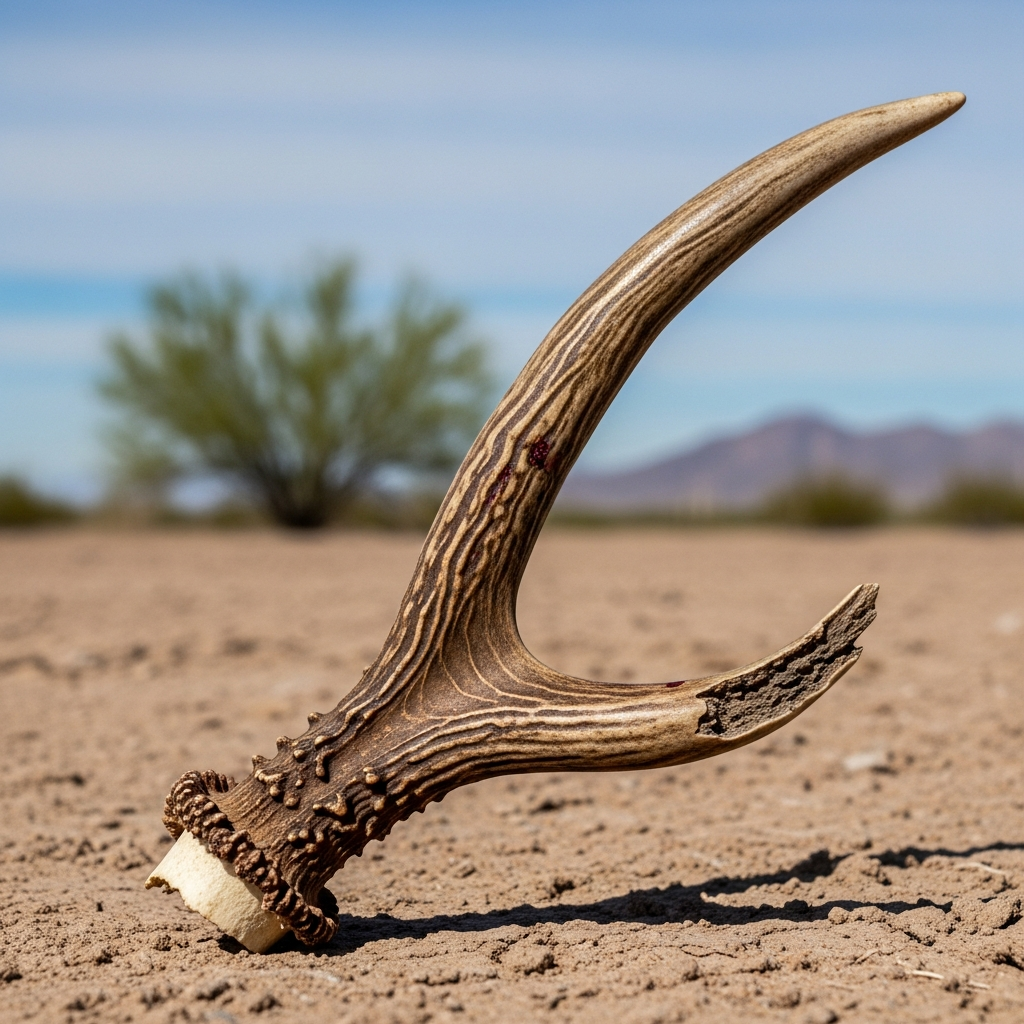
The Jackalope Antler is the defining characteristic of the mythical Jackalope, which is typically depicted as a jackrabbit (or a similar hare) adorned with the antlers of a cervid, such as a deer or, less commonly, a pronghorn.
| Characteristic | Description |
| :— | :— |
| Creature Base | Jackrabbit (genus Lepus) |
| Antler Origin | Typically White-tailed or Mule Deer |
| Size | Varies dramatically, usually proportional to the rabbit’s head |
| Material (Folklore) | Hardened bone or Keratin (like a pronghorn horn) |
| Real-World Basis | Taxidermy hoax, or potentially related to a viral infection |
The antlers are the centerpiece of any Jackalope display, instantly distinguishing it from an ordinary rabbit. They can range from small, single spikes to large, branching racks, depending on the imagination of the taxidermist or the severity of the tall tale being told. In folklore, these appendages are not merely decorative; they are described as tools for self-defense, territorial marking, and, according to some legends, a means for the creature to sing along to cowboy songs.
The appearance of the Jackalope Antler is crucial for its mystique, but what makes it so intriguing is the biological impossibility it represents. Rabbits are mammals, but they do not naturally develop osseous (bony) structures like antlers, which are shed and regrown annually by members of the deer family. This fundamental break with biological reality is precisely why the image has such lasting power. It dares us to believe in the absurd, making the search for a genuine Jackalope Antler a quirky quest for many tourists.
Furthermore, the materials used to create the classic Jackalope Antler mount are themselves a fascinating mix of ingenuity and deception. Early creators used whatever deer shed they could find, seamlessly grafting them onto the head of a preserved jackrabbit. This skillful assembly, often performed by local taxidermists, helped to solidify the popular image and gave rise to the creature’s legendary ferocity. Without the striking presence of the Jackalope Antler, the animal would merely be a rabbit, but with them, it becomes a feared “warrior or killer rabbit,” as described by the town of Douglas, Wyoming.
The consistent display of the Jackalope Antler in roadside attractions and souvenir shops across the American West has elevated it from a simple joke to a recognized cultural icon. For many people, seeing a mounted specimen is a rite of passage, a confirmation that they have truly experienced the unique sense of humor and frontier spirit of the region. The sheer prevalence of the Jackalope Antler in commercial spaces shows how deeply a simple, fun myth can take root and thrive.
The Jackalope Antler’s Origin Story: Douglas, Wyoming
The undisputed center of the Jackalope universe is Douglas, Wyoming, the small town that proudly claims the creature as its own. This claim is based on a specific, documented moment in history involving two brothers, Ralph and Doug Herrick, who inadvertently created the enduring legend during the 1930s.
I vividly remember driving through Wyoming years ago and stopping in Douglas purely because of the famous eight-foot Jackalope Antler statue in the town square. I had always seen the silly postcards, but seeing the immense, imposing statue, complete with its majestic, faux-bony crown, was a different experience entirely. It wasn’t just a quirky roadside attraction; it felt like a monument to human creativity and the power of a simple, captivating lie. That day, I bought a small mounted head—a prized possession to this day—and the detail on that miniature Jackalope Antler confirmed to me that this was less about nature and more about art.
During the Great Depression, the Herrick brothers, who were skilled taxidermists, capitalized on their invention. The story goes that they were cleaning out their shop when one of them casually tossed a pair of small deer antlers onto a dead jackrabbit carcass. The resulting image was so amusing and captivating that they mounted the combination. They sold that very first specimen—the progenitor of all others—to a local hotel owner for ten dollars, planting the seed for a legend that would grow exponentially.
The invention of the Jackalope Antler came at a time when people needed an escape, and the idea of a fearless, horned rabbit was the perfect lighthearted distraction. This initial sale in Douglas solidified the town’s connection to the mythical creature. Soon, postcards featuring the new animal began circulating widely, and demand grew for the mounted Jackalope Antler specimens. The simplicity of the concept, combined with the Herricks’ taxidermy skill, ensured that the tall tale spread quickly across the Western states.
Douglas did not stop there; the town fully embraced its identity. They dedicated Jackalope Square in 1990 during Wyoming’s statehood anniversary, and they continually promote the legend, even offering novelty Jackalope hunting licenses to tourists. The official nature of the Jackalope Antler in Douglas’s branding is so strong that Wyoming officially designated the Jackalope as its mythical creature in 2007. This dedication to folklore ensures that the story remains fresh and that the Jackalope Antler remains a highly sought-after souvenir.
The Anatomy of a Myth: Deer Antler vs. Pronghorn Horn on a Jackrabbit
When discussing the physical characteristics of the Jackalope, the most debated topic revolves around the precise nature of the Jackalope Antler itself. Is it a true antler, which is bone and is shed annually, or is it a horn, which is keratin-based and permanent? The answer depends entirely on whether you are analyzing the taxidermy mounts or the deeper layers of the folklore.
The vast majority of commercially available and historically significant Jackalope taxidermy mounts feature genuine deer antlers. This choice was highly practical for the original creators. Deer, particularly white-tailed deer, shed their antlers regularly, making the materials readily available for taxidermists. Attaching the bone-like structure of a deer Jackalope Antler onto the skull of a jackrabbit provides a visually striking, durable, and believable composite.
The Deer Antler Standard in Jackalope Taxidermy
The choice of deer antlers has set the visual standard for the Jackalope for almost a century. These mounts typically use relatively small, early-stage antlers—often referred to as ‘spikes’ or ‘forks’—to maintain a proportional, if fantastic, look. The heavy, bony feel of a deer Jackalope Antler adds a sense of aggressive realism to the otherwise harmless-looking rabbit.
This convention highlights a critical distinction: the taxidermy tradition focuses on aesthetics over biological accuracy. The makers weren’t trying to create a new species; they were creating a conversation piece. The deer Jackalope Antler is purely a visual shorthand for “something impressive and dangerous.” The cultural impact of this design is undeniable; when someone mentions a Jackalope, they almost always picture the jackrabbit with branching deer antlers, not something made of keratin.
Consider the practical implications for collectors. A mount featuring a genuine deer Jackalope Antler is far more robust and easier to display than one crafted from a synthetic material. The natural imperfections and textures of the bone contribute to the illusion, making the piece feel authentic to the natural world, even if the combination is not. The success of the Jackalope industry owes a significant debt to the annual antler shed of the deer population.
Furthermore, the taxidermy process is an art form, and grafting a deer Jackalope Antler requires skill. The seamless blend of fur and bone must be executed perfectly to make the hoax believable. Many skilled Western taxidermists have honed this craft, becoming specialists in producing high-quality Jackalope mounts. Their ability to take a common animal and adorn it with an impressive bone structure is what keeps the legend alive and the curiosity flowing.
The Keratin Conundrum: The Pronghorn Connection
A deeper dive into the Jackalope lore sometimes connects the Jackalope Antler not to the deer, but to the American Pronghorn, an animal indigenous to the same Western plains. This connection is fascinating because pronghorns possess true horns, which are unique in that they feature a bone core surrounded by a sheath of keratin (the same material as human fingernails or rhino horns) which is shed annually.
Some of the more elaborate regional myths suggest that the true Jackalope Antler is actually a pronghorn horn, explaining the creature’s purported speed and unique ability to shed and regrow its cranial armament. While a deer antler is entirely bone, the pronghorn’s keratinous horn sheath offers a more unique, biologically complex, and thus more convincing, explanation for a mythical hybrid. This specific detail appeals to enthusiasts who prefer a version of the folklore that is internally consistent with real-world biology, even within the confines of a tall tale.
However, replicating this keratinous pronghorn structure for a mounted Jackalope Antler is far more challenging than using simple deer bone. Consequently, mounts based on the keratin concept are rarer and often rely on sculpted materials to mimic the texture of the pronghorn’s horn sheath. The sheer difficulty in sourcing and working with genuine pronghorn horn further explains why the deer-antlered version became the dominant cultural image.
The debate between the two structures—bony deer antler versus keratinous pronghorn horn—serves as an excellent example of how folklore adapts and integrates scientific-sounding details to maintain credibility. Enthusiasts of the pronghorn version are keen to emphasize that the true Jackalope Antler is specialized, setting it apart from all other cervid antlers and making the Jackalope a truly unique North American cryptid.
The Jackalope Antler in the Modern Economy: From Postcard to Pop Culture Phenomenon
The legacy of the Jackalope Antler has long since transcended the dusty walls of a single hotel in Wyoming; it is now a thriving commercial commodity and a recognized entity in global pop culture. What began as a local taxidermy joke has blossomed into a steady, multi-faceted stream of merchandise and tourism revenue.
The modern Jackalope economy is surprisingly robust, demonstrating that people are eager to buy into the fantasy. Postcards, which were the original vehicle for spreading the myth, remain popular, often depicting the Jackalope in various humorous or aggressive poses. However, the marketplace for the Jackalope Antler has diversified significantly in recent years. Today, enthusiasts can purchase everything from plush toys to elaborate home decor.
The enduring trend for the Jackalope Antler in modern decor is particularly notable. A quick search of online marketplaces in 2026 reveals a strong market for Jackalope wall mounts and sculptures. These items are often stylized—sometimes rendered in gold or bronze, sometimes featuring soft sculpted antlers in a hat design—indicating that the creature has moved beyond niche tourist kitsch into the realm of general whimsical home and fashion decor. The fact that new, original collectible plush toys are still being created in 2026 shows that the demand is current and not simply a relic of mid-century Americana.
The town of Douglas, Wyoming, serves as a crucial case study in the economic power of the Jackalope Antler. By embracing the creature as its official mascot, the town has created a brand identity that draws visitors year-round. Tourists seek out the famous Jackalope statues and monuments, generating income for local businesses through gas, lodging, and, most importantly, souvenir sales. This phenomenon is analogous to the economic boost enjoyed by towns near the Loch Ness in Scotland or those associated with Bigfoot sightings in the Pacific Northwest—a creature, in this case the horned rabbit, becomes an economic engine.
The cultural impact of the Jackalope Antler extends beyond souvenirs. The creature has appeared in countless published stories, poems, films, and television shows, often serving as a symbol of the American West’s rugged individualism and sly humor. Every appearance introduces a new generation to the legend, ensuring that the market for products featuring the distinctive Jackalope Antler remains evergreen. It is a unique example of how a carefully crafted legend can create self-sustaining demand across multiple decades.
Hunting Myths and Legends: The Rules for Jackalope Antler Enthusiasts
Part of the fun of the Jackalope myth is the elaborate, often bureaucratic, structure built around its supposed existence. While the creature is entirely fictional, the Western states, particularly Wyoming, have developed a set of faux-official rules for “hunting” the Jackalope, adding a layer of whimsical complexity for tourists who wish to engage with the folklore.
These playful rules are designed to enhance the experience for visitors seeking a genuine encounter with the elusive creature sporting the magnificent Jackalope Antler. The most famous of these is the requirement for a special Jackalope hunting license, which is readily available at various novelty shops in Douglas.
Key Faux-Hunting Rules:
- Specific Season: Hunting is usually restricted to a single day, often June 31st (a date that does not exist).
- Time Restriction: The Jackalope can only be hunted between midnight and 2 a.m.
- Bait Requirement: The creature must be lured by placing a paper bag on the ground and mimicking the sound of a female Jackalope singing.
- Identification: The hunter must be a male who has never shaved.
- Antler Collection: If a successful catch is made, only the Jackalope Antler may be taken, and the rabbit must be immediately released.
These rules, while clearly tongue-in-cheek, serve a profound purpose in maintaining the integrity of the tall tale. By creating an official-sounding framework, the myth is treated with a mock seriousness that makes the engagement more entertaining. Visitors who purchase the “official” hunting license feel they are participating in a recognized local tradition, reinforcing the town’s claim as the rightful home of the Jackalope Antler legend.
Furthermore, the hunting regulations are often tied to the exaggerated characteristics of the Jackalope itself. The idea that the creature can only be caught using highly specific, ridiculous methods—like impersonating a “doe” Jackalope’s song—speaks to the creature’s reputed intelligence and cunning. This level of detail ensures that tourists talk about the experience, thereby spreading the Jackalope gospel far beyond the borders of Wyoming.
The sheer proliferation of these detailed myths surrounding the capture and collection of the Jackalope Antler is a testament to the community’s commitment to its signature folklore. It’s an exercise in collective imagination, where everyone is invited to suspend disbelief and play along with the grand, Western tall tale. It is this human element of intentional fun that keeps the legend dynamic and relevant.
The Scientific (and Often Misunderstood) Basis: Debunking the Jackalope Antler
While the romance of the Jackalope is rooted firmly in folklore and taxidermy, the scientific community does offer a plausible, if somewhat less glamorous, explanation for the origin of the horned rabbit myth. This explanation centers on a very real virus that causes growths resembling horns or antlers on rabbits and hares.
The condition is caused by the Shope papillomavirus (SPV), also known as the cottontail papillomavirus. This virus is known to induce the growth of large, black, keratinous tumors on the head and face of infected rabbits. These tumors, which look startlingly like small, misshapen horns or even rudimentary Jackalope Antler structures, are a crucial piece of the puzzle connecting reality to the fantastical.
When an early Western settler or traveler encountered a rabbit afflicted with SPV, the sight would have been completely baffling. A rabbit with dark, hardened growths erupting from its head perfectly aligns with the description of a horned hare. In a time when scientific knowledge was not widespread, and superstitions were common, attributing the growths to a new, hybrid species was a natural conclusion. The growths, which are hard and dark, easily lend themselves to the description of a bony Jackalope Antler or a horn.
The appearance of these growths is often quite disturbing. They can be large and numerous, sometimes impairing the rabbit’s ability to eat, which contributes to the creature’s ‘fearsome’ or ‘killer’ reputation—a starving, distressed animal is a dangerous one. Therefore, the early descriptions of a fearsome, aggressive horned rabbit may have been based not on the animal’s nature, but on the effects of a debilitating viral infection.
Understanding the SPV connection does not diminish the folklore; rather, it grounds the legend in a unique form of biological reality. It provides a credible explanation for why the Herrick brothers’ taxidermy hoax was so immediately convincing to the public. They simply took a bizarre natural phenomenon and immortalized it through artistic manipulation. The Jackalope Antler of myth is essentially an exaggerated, cleaned-up, and stylized version of a viral tumor.
This scientific debunking is often included in modern museum exhibits and articles about the Jackalope, serving as a fascinating transition point between the tall tale and biological fact. It allows us to appreciate the power of observation and misinterpretation in the genesis of folklore, showing that sometimes, the truth is stranger, or at least more viral, than fiction.
The Enduring Legacy of the Jackalope Antler
The Jackalope Antler remains a powerful and captivating cultural artifact. It embodies the adventurous spirit, the sly humor, and the robust entrepreneurial drive of the American West. From its humble origins as a taxidermy prank in a small Wyoming town to its current status as a globally recognized symbol, the horned rabbit continues to hop its way into the collective consciousness.
Its long-lasting appeal lies in its dual nature: it is a delightful hoax that everybody is in on, and a visually arresting piece of sculpture. Whether displayed on a wall, printed on a t-shirt, or cast in bronze, the Jackalope Antler is a consistent reminder that some legends are too fun to simply dismiss. The story of the Jackalope proves that a good myth, when embraced wholeheartedly, can create tradition, drive tourism, and endure for generations. We can safely conclude that the majestic, mythical Jackalope Antler will continue to feature in tall tales and roadside attractions for the foreseeable future.
*
FAQ (Pertanyaan yang sering diajukan)
Apakah Jackalope itu nyata?
Tidak, Jackalope adalah makhluk mitologis. Secara resmi, itu adalah tall tale atau legenda populer yang berasal dari Douglas, Wyoming. Kemungkinan besar inspirasi nyata untuk legenda Jackalope berasal dari kelinci yang menderita virus Shope papillomavirus (SPV), yang menyebabkan pertumbuhan keratinosa yang terlihat seperti tanduk kecil pada kepala mereka.
Dari apa Jackalope Antler dibuat dalam taxidermy?
Sebagian besar Jackalope Antler yang dijual sebagai pajangan atau suvenir taxidermy dibuat menggunakan tanduk rusa (deer antlers) asli, yang dipasang secara hati-hati pada kepala kelinci jackrabbit yang diawetkan. Tanduk rusa mudah didapatkan karena rusa menjatuhkannya setiap tahun. Beberapa narasi folklore yang lebih spesifik mengaitkan Jackalope Antler dengan tanduk Pronghorn karena komposisinya yang keratinosa.
Mengapa Jackalope begitu populer di Wyoming?
Jackalope sangat populer di Wyoming karena disana merupakan tempat asal usulnya. Kota Douglas, Wyoming, adalah pusat dari legenda ini, diciptakan oleh Herrick Brothers pada tahun 1930-an. Kota tersebut telah sepenuhnya merangkul identitas ini, bahkan memasang patung besar Jackalope Antler di pusat kota dan secara aktif menggunakannya untuk mempromosikan pariwisata. Wyoming juga secara resmi menunjuk Jackalope sebagai makhluk mitos negara bagian pada tahun 2007.
Apakah ada Jackalope Antler yang bisa diburu secara legal?
Tidak, karena Jackalope bukanlah makhluk nyata. Namun, di Douglas, Wyoming, wisatawan dapat membeli “izin berburu” Jackalope novelty yang berharga murah. Izin ini adalah lelucon yang disertai dengan aturan konyol—seperti hanya berlaku pada tanggal 31 Juni—untuk menambah keseruan dan pengalaman wisata yang unik.
*