The concept of a Burn Book has etched itself into modern social consciousness, primarily as a symbol of adolescent social dynamics. It serves as a potent emblem for the often-harsh undercurrents of peer relationships. At its core, a Burn Book is typically a collection of notes, writings, or images where individuals compile their negative thoughts, criticisms, and gossip about others. This practice, while appearing to be a simple outlet for frustration, carries profound implications for reputation, social exclusion, and mental well-being, both for those who create it and those who become its subjects. Its evolution from a physical object to widespread digital phenomena underscores its enduring, albeit problematic, relevance in contemporary society.
What Exactly is a Burn Book?
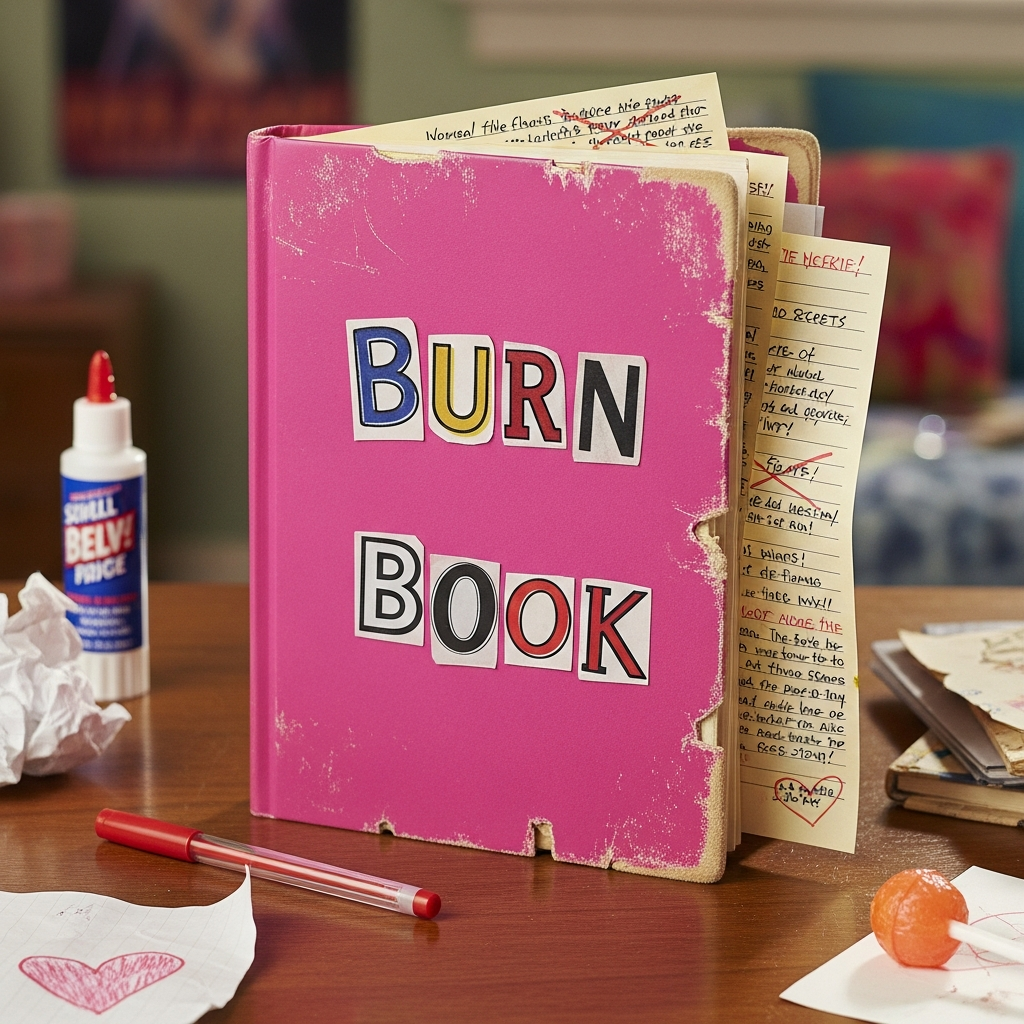
A Burn Book is, fundamentally, a clandestine repository of grievances, insults, and rumors directed at specific individuals. It is similar to a diary, but instead of documenting daily feelings or events, it records negative thoughts and harsh comments about others, often containing personal attacks and inflammatory remarks. These books are typically kept secret, circulated among a small, trusted group, and filled with judgmental observations, often accompanied by pictures or caricatures. The allure of a Burn Book often lies in this very secrecy, offering a thrill of sharing unfiltered, negative opinions while maintaining a facade of anonymity.
Beyond its iconic portrayal as a physical scrapbook, the concept of a Burn Book transcends tangible pages. In essence, any medium used to secretly document and disseminate negative information or gossip about others can be considered a form of a Burn Book. This can range from a handwritten notebook passed between friends in a school hallway to an exclusive group chat on a messaging app or even an anonymous online forum. The fundamental purpose remains consistent: to catalog and share derogatory commentary, fostering a shared sense of contempt or superiority among those privy to its contents.
The Cultural Genesis: From Fiction to Phenomenon
The widespread recognition of the term “Burn Book” is largely attributed to the 2004 cult classic film Mean Girls. In this movie, the Burn Book was depicted as a physical scrapbook meticulously maintained by “The Plastics,” a popular high school clique, filled with cruel, often fabricated, comments and rumors about their classmates. This fictional portrayal vividly illustrated how gossip and bullying could be weaponized within social circles, particularly among teenagers navigating the complex landscape of high school social hierarchies. The film’s enduring popularity ensured that the term “Burn Book” became synonymous with malicious gossip and social sabotage.
The movie resonated deeply with audiences because it tapped into universal themes of adolescent angst, the desperate desire to fit in, and the harsh realities of social exclusion. The allure of the Burn Book in Mean Girls stemmed from its forbidden nature, the power it seemingly granted its creators, and the destructive potential it held over others’ reputations. It perfectly encapsulated the intense pressure to conform and the lengths some individuals might go to assert social dominance, making the Burn Book a powerful symbol of the darker side of teenage social interactions. The fictional object became a cultural touchstone, prompting countless discussions and reflections on real-world bullying and the impact of mean-spirited behaviors on mental health. The film’s narrative, where the contents of the Burn Book are eventually exposed, leading to widespread chaos and a forced reckoning, also offered a cautionary tale about the consequences of such actions.
The Psychology Behind the Burn Book
The creation and circulation of a Burn Book are rooted in a complex psychological landscape, often blurring the lines between a seemingly harmless outlet for frustration and a genuinely malicious tool for social aggression. Some individuals might initially view compiling negative thoughts in a Burn Book as a cathartic exercise, a way to “blow off steam” without direct confrontation. This private expression of anger or annoyance can feel therapeutic, allowing individuals to articulate emotions that might otherwise remain suppressed. However, this practice teeters on a dangerous edge, as it can quickly devolve into a vehicle for bullying and public humiliation, especially when the contents are shared or exposed. The distinction lies in intent and impact: is it a private journal for processing feelings, or is it designed to hurt others?
Within social groups, a Burn Book can significantly influence group dynamics, fostering a strong sense of “in-group” cohesion among its creators while simultaneously establishing clear “out-groups” of those targeted. This act of collectively criticizing others can strengthen bonds among the participants, creating a shared secret and a sense of solidarity against perceived outsiders. However, this bonding often comes at the expense of others, leading to social fragmentation and an environment characterized by mistrust and competition. The fear of becoming a subject in the Burn Book can also serve as a potent, albeit unhealthy, form of social control, as individuals might modify their behavior to avoid being targeted, thus perpetuating a cycle of negativity and fear within the social structure.
The psychological impact on the victims of a Burn Book can be devastating and long-lasting. Being the subject of such a book can lead to profound emotional scars, inducing feelings of stress, anxiety, and deep-seated shame. Individuals targeted often experience a strong sense of being judged, ostracized, and unfairly maligned, which can severely damage their self-esteem and sense of belonging. The knowledge that peers are secretly compiling derogatory information can create an environment of paranoia and distrust, making it difficult for victims to form healthy relationships or feel secure in their social settings. In some cases, the emotional turmoil caused by a Burn Book can contribute to mental health issues, impacting academic performance, social engagement, and overall well-being. A parent whose child was featured in a real-life burn book described the contents as “awful… sick”, highlighting the severe distress it can cause.
The Digital Transformation: Modern Burn Books
The advent of the digital age has dramatically reshaped the concept of the Burn Book, transforming it from a physical, hidden object into a rapidly spreading online phenomenon. Social media platforms, anonymous messaging applications, and private group chats now frequently serve as virtual incarnations of the traditional Burn Book, allowing users to disseminate gossip and negative commentary with unprecedented speed and reach. This digital evolution means that the mean-spirited content once confined to a physical notebook can now potentially reach a much wider audience, amplifying its impact and extending the emotional harm to its subjects.
One of the most significant aspects of this digital transformation is the increased anonymity afforded by online platforms. People often feel freer to share rumors and personal information when their identity is concealed, leading to more uninhibited and aggressive gossiping behavior. This anonymity can embolden individuals to write things they would never say face-to-face, resulting in even harsher criticisms and more widespread rumors. For instance, “confession pages” on platforms like Instagram and Reddit, often associated with schools or communities, have emerged as modern-day burn books. These pages allow anonymous submissions of gossip, criticisms, and even doxing, creating a dangerous environment where reputations can be destroyed without direct accountability. As of 2024, some of these accounts on Instagram actively post numerous confessions, demonstrating their ongoing presence and influence among students.
Real-world incidents reflect the destructive power of these modern Burn Book equivalents. Back in 2010, a Facebook page dubbed a “Burn Book” targeting students from Overland High School sparked outrage due to its inflammatory comments, racial slurs, and threats. Similarly, in 2017, a “Burn Book” containing hateful “commandments” and a list of names surfaced at a high school in Ontario, Canada, with a photo of a page being posted on an Instagram account. These incidents underscore how readily the concept translates to the online sphere, leading to real-life consequences. The “Burnbook” app, for example, gained notoriety for facilitating cyberbullying among high schoolers by allowing anonymous posts of hurtful comments. Such digital manifestations of the Burn Book are not isolated occurrences; they represent a continuous challenge in schools and communities worldwide, demanding attention and proactive intervention.
The Broader Implications: Gossip, Reputation, and Bullying
The phenomenon of the Burn Book, whether physical or digital, is inextricably linked to the broader societal issues of gossip, reputation, and bullying, each carrying significant weight in shaping individuals’ lives. Gossip itself possesses a complex duality; it can serve as a social bonding mechanism, helping individuals maintain ties and establish group norms by sharing information. However, when gossip turns malicious, particularly within the context of a Burn Book, it becomes a potent tool for social manipulation and indirect aggression, enabling individuals to harm others’ reputations without direct confrontation. The ethical considerations of gossip often hinge on its intent, truthfulness, and overall impact on the people involved.
In the digital era, the damage to one’s reputation caused by a Burn Book can be far more pervasive and permanent. Information shared online, even if false or speculative, can spread rapidly and reach an extensive, often unknown, audience. A digital trail of negative comments or rumors can linger indefinitely, accessible through simple searches, potentially impacting an individual’s personal and professional opportunities for years to come. This unchecked flow of information can ironically impede personal development and freedom, as a permanent chronicle of private lives, often of dubious reliability, follows individuals wherever they go. Studies emphasize that online information can profoundly shape public perception, making it crucial for individuals to be aware of how they are portrayed and the power others have to shape their identity and reputation.
Fundamentally, a Burn Book is a clear and undeniable form of bullying, with potentially severe emotional and psychological consequences for its victims. Bullying statistics from July 2021 to December 2023 reveal that about one-third of teenagers experienced bullying in the preceding 12 months. For some demographic groups, such as sexual or gender minority teenagers (47.1%) and those with developmental disabilities (44.4%), these rates are even higher. Teenagers who are bullied are nearly twice as likely to experience symptoms of anxiety and depression. The anonymous, often collective, nature of creating a Burn Book exacerbates the bullying dynamic, as it amplifies the feeling of helplessness and isolation for the target. When such content goes digital, it becomes cyberbullying, which carries its own unique set of challenges, including the difficulty of escape, the potential for widespread exposure, and the heightened sense of violation it can engender. The incident at Creston Community High School in 2019, where a Burn Book containing hateful and derogatory comments surfaced, illustrates how these actions can lead to deep disappointment and hurt, underscoring the urgent need for greater education about different types of bullying.
Addressing the Phenomenon: Strategies for Healthy Social Environments
Addressing the multifaceted challenges posed by the Burn Book phenomenon requires a concerted effort to foster healthier and more empathetic social environments, both online and offline. A critical first step involves promoting empathy and accountability among young people. This means encouraging open dialogue about the impact of words and actions, helping individuals understand how easily words can hurt when wielded carelessly. Discussions around kindness versus cruelty are more relevant than ever, allowing individuals to reflect on their own experiences and the emotional turmoil that can result from mean-spirited behavior. When individuals are held accountable for their actions, even anonymous ones, it can deter future harmful conduct.
Education and awareness are indispensable tools in combating the negative effects of the Burn Book. Parents, educators, and students all need to be informed about the various forms bullying can take, including the specific dynamics of a Burn Book, both in its traditional and digital manifestations. School administrators, for instance, have sometimes been unaware of what a Burn Book entails, highlighting a need for better education on these types of bullying tactics. Programs that encourage students to get to know peers they might not typically interact with can help break down social barriers and reduce judgmental attitudes, as it becomes harder to judge someone once you truly know them. This proactive approach can help dismantle the “us vs. them” mentality that often fuels a Burn Book.
Furthermore, promoting digital citizenship is crucial in today’s interconnected world. This involves teaching young people responsible online behavior, critical thinking about the information they consume and share, and the long-term implications of their digital footprint. Given that youth spend significant time on social platforms, it is vital to equip them with the skills to navigate these spaces safely and respectfully. Strategies also include encouraging students to report cyberbullying incidents and providing robust support systems for victims. In some cases, community efforts have successfully countered negative online pages by creating platforms that focus on positive comments and support, demonstrating that collective action can help heal emotional wounds. Ultimately, fostering environments where honesty and open communication are valued over secretive negativity can help mitigate the conditions in which a Burn Book thrives.
The Future of Social Interaction and the Burn Book Concept
As society continues to evolve, particularly with the rapid advancements in digital communication, the underlying concept of the Burn Book remains relevant, adapting to new forms and posing ongoing challenges to social interaction. Current youth trends for 2025 highlight a generation that is highly engaged with digital platforms, but also deeply values authenticity, inclusion, and emotional intelligence. While youth are adept at using social media (YouTube, Instagram, TikTok being dominant), there’s also a recognized ideological divide, with young women often leaning progressive and young men drawn to different online communities and voices. This complex social landscape means that while there’s a demand for genuine connection, there are also fissures that can be exploited by negative social dynamics, perpetuating the spirit of the Burn Book.
The ongoing evolution of communication platforms ensures that the challenges associated with the Burn Book will persist, albeit in new guises. With the rise of new anonymous apps, ephemeral content, and increasingly sophisticated methods for sharing private information, the potential for harm remains significant. Young people are often adept at navigating these digital spaces, but they also face unique pressures, including an “always-on” culture and the constant exposure to curated, often unrealistic, perceptions of others. This environment can breed insecurity and comparison, which are fertile grounds for the formation of a Burn Book. Brands and institutions are increasingly recognizing the need to engage with youth authentically and with emotional intelligence, understanding that simple mimicry of youth culture often backfires.
Despite these challenges, there are also clear opportunities to foster more positive and respectful communication. The emphasis on authenticity and emotional intelligence among youth suggests a potential for greater awareness and rejection of malicious gossip. Educational initiatives that focus on critical thinking, media literacy, and digital empathy can equip future generations to build more constructive online communities. The enduring lesson from the Burn Book is that words hold immense power, capable of both deep harm and profound connection. Therefore, nurturing environments that prioritize empathy, respect, and open dialogue is not just about preventing the next Burn Book, but about shaping a future where social interactions are genuinely supportive and inclusive.
FAQ
Q: What is the primary purpose of a Burn Book?
A: The primary purpose of a Burn Book is to document and share negative thoughts, criticisms, rumors, and insults about specific individuals, often in secret among a small group. It functions as an outlet for venting frustrations, but frequently serves as a tool for social aggression and bullying.
Q: Where did the concept of the Burn Book originate?
A: The concept of the Burn Book gained widespread recognition and popularity from the 2004 film Mean Girls, where it was a central plot device used by a high school clique to spread rumors and cruel comments about their classmates. However, the general idea of compiling hurtful information about others predates the movie.
Q: Can a Burn Book be considered bullying?
A: Yes, using a Burn Book to write or spread negative, harmful, or false information about others is absolutely considered a form of bullying. It can cause significant emotional distress, damage reputations, and lead to social exclusion for the victims. When done online, it constitutes cyberbullying.
Q: How has the Burn Book evolved in the digital age?
A: In the digital age, the Burn Book has evolved beyond a physical notebook into online platforms such as private group chats, anonymous social media accounts, and confession pages. These digital versions amplify the reach and permanence of malicious content, often with increased anonymity for the perpetrators.
Q: What are the psychological effects of being featured in a Burn Book?
A: Victims of a Burn Book can experience significant psychological harm, including stress, anxiety, shame, and feelings of being judged or ostracized. This can lead to decreased self-esteem, difficulty trusting others, and other mental health challenges.