Blue Flame: The Ultimate Guide to Gas Efficiency, Safety, and Performance
When you turn on your gas stove or furnace, you likely expect to see a steady, vibrant blue flame. While it may seem like a simple aesthetic detail, the color of that flame is a critical indicator of your appliance’s health, your home’s safety, and your monthly energy costs.
In the world of thermal dynamics, a blue flame represents the pinnacle of efficiency. It signifies that your fuel is being consumed exactly as intended, providing maximum heat with minimum waste. Conversely, a deviation in color can be a silent warning sign of mechanical failure or even life-threatening hazards.
In this comprehensive guide, we will explore the science of the blue flame, why it is superior to other colors, and how you can maintain your gas appliances to ensure they continue to operate at peak performance.
1. The Science of the Blue Flame: Understanding Complete Combustion
To understand why a flame is blue, we must first look at the chemistry of fire. Most household gas appliances run on either natural gas (methane) or liquid propane. These are hydrocarbons, meaning they are composed of hydrogen and carbon atoms.
The Role of Oxygen
The key to a blue flame is the air-to-fuel ratio. For a hydrocarbon to burn completely, it requires a specific amount of oxygen. When the mixture is perfectly balanced, it undergoes what scientists call complete combustion.
In complete combustion, the fuel reacts fully with the oxygen in the air. This reaction releases the maximum amount of energy stored in the fuel. The primary byproducts of this clean reaction are water vapor and carbon dioxide (CO2). Because the temperature of this reaction is extremely high (often exceeding 1,500°C or 2,700°F), the gas molecules become ionized and emit a distinct blue light.
The Anatomy of a Perfect Flame
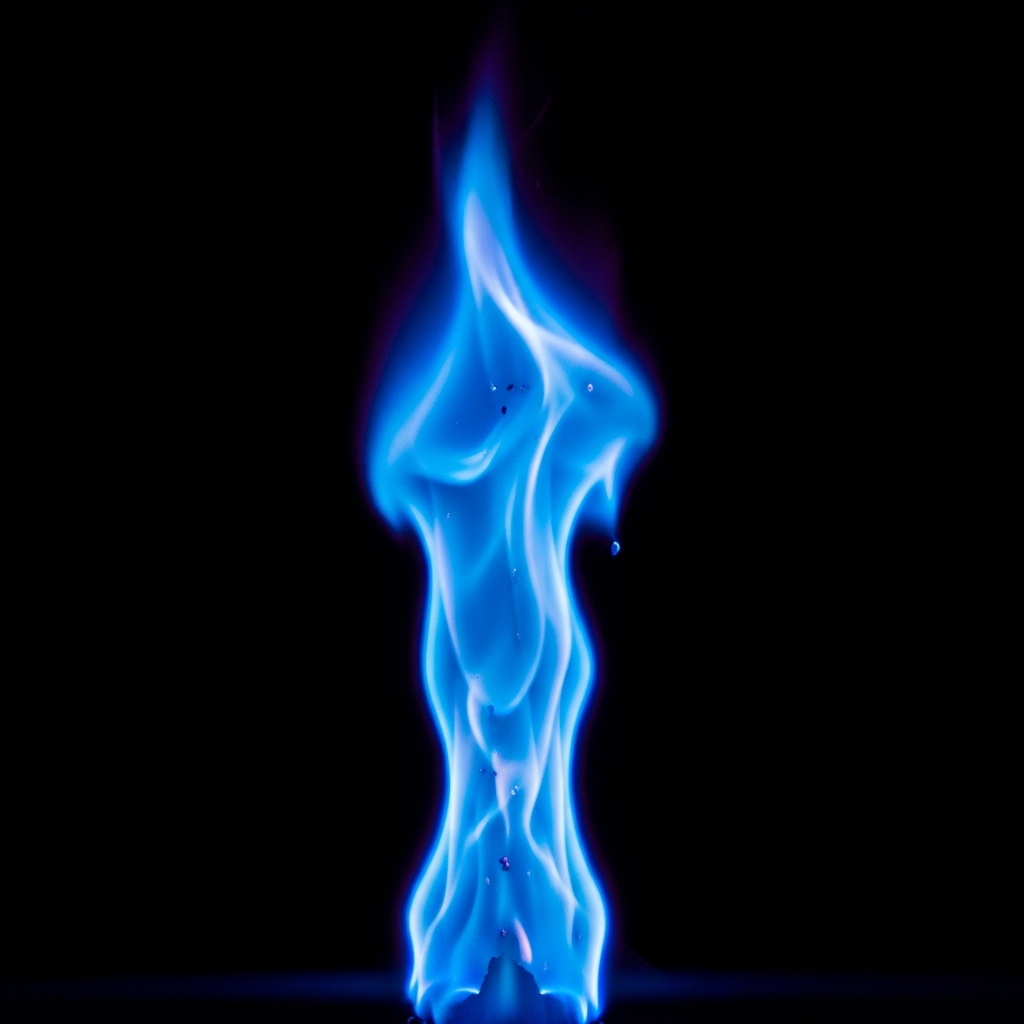
A healthy blue flame should have a distinct structure:
- Inner Core: A light blue or almost white cone in the center.
- Outer Cone: A darker blue shroud surrounding the inner core.
- Stability: The flame should be steady and not “lift” off the burner or flicker excessively.
2. Blue Flame vs. Yellow Flame: Why the Difference Matters
If you see a yellow or orange flame on your burner, you are witnessing incomplete combustion. This occurs when there is an insufficient supply of oxygen to the burning fuel. While a yellow flame might look “prettier” or more traditional (like a campfire), it is highly undesirable in a controlled gas appliance.
The Danger of Soot
In a yellow flame, the carbon atoms in the fuel do not burn away completely. Instead, they clump together to form tiny particles called soot (incandescent carbon). These particles glow yellow as they heat up, which is what gives the flame its color. Over time, this soot builds up on your pots, pans, and the internal components of your furnace, leading to expensive repairs and reduced appliance lifespan.
The Risk of Carbon Monoxide (CO)
The most significant danger of a yellow flame is the production of carbon monoxide. When combustion is incomplete, the fuel produces CO instead of CO2. Carbon monoxide is a colorless, odorless, and tasteless gas that is highly toxic.
If your appliance is producing a yellow flame, it is likely leaking carbon monoxide into your living space. This is why maintaining a blue flame is not just about efficiency—it is about the safety of your family.
3. The Economic Impact: How a Blue Flame Saves You Money
Energy efficiency is directly tied to flame color. Because a blue flame is hotter and more concentrated, it transfers heat much more effectively than a yellow flame.
Higher BTU Output
The heat content of fuel is measured in BTUs (British Thermal Units). A blue flame ensures that you are extracting every possible BTU from the gas you pay for. When your flame turns yellow, you are essentially “dumping” unburnt fuel into the air.
Reduced Cooking and Heating Time
For those using a gas stove, a blue flame means your water boils faster and your food cooks more evenly. For homeowners with gas furnaces, a blue flame ensures the heat exchanger reaches its target temperature quickly, allowing the system to cycle off sooner and reducing your electricity and gas bills.
4. Common Causes of Discolored Flames
If your appliance has lost its blue hue, several factors could be at play. Understanding these causes can help you troubleshoot the issue before calling a professional.
1. Clogged Burner Ports
Over time, food spills, grease, and dust can clog the tiny holes (ports) in your gas burner. This restricts the flow of gas and prevents it from mixing properly with air, leading to a yellow or orange flame.
2. Incorrect Air Shutter Adjustment
Most gas appliances have an air shutter or venturi tube that regulates how much air is sucked in to mix with the gas. If this shutter is too closed, the mixture becomes “too rich” (too much gas, not enough air), resulting in a yellow flame.
3. Dust and Contaminants in the Air
Sometimes, a flame may flash orange temporarily. This is often caused by dust particles or high humidity in the room. If you are using a humidifier, the minerals in the water vapor can turn a blue flame orange. This is usually harmless and will resolve once the air clears.
4. Orifice Issues
The orifice is the small component that controls the volume of gas entering the burner. If the orifice is damaged or the wrong size (e.g., using a natural gas orifice for a propane system), the flame will not burn blue.
5. Step-by-Step: How to Restore Your Blue Flame
Disclaimer: If you are uncomfortable working with gas appliances, always hire a certified technician. Safety is the priority.
Step 1: Clean the Burners
- Turn off the gas supply and ensure the appliance is cool.
- Remove the burner caps and heads.
- Soak them in warm, soapy water.
- Use a stiff brush or a needle to clear any debris from the burner ports.
- Dry everything thoroughly before reassembling.
Step 2: Check for Obstructions
Inspect the area around the burner for cobwebs, dust bunnies, or grease buildup. Even a small spider web inside the venturi tube can disrupt the air-to-fuel ratio.
Step 3: Adjust the Air Shutter (For Advanced Users)
- Locate the air shutter behind the control valve.
- Loosen the locking screw.
- With the flame ignited, slowly open the shutter until the yellow tips disappear and the flame turns blue.
- Tighten the locking screw.
6. Expert Tips for Long-Term Maintenance
To ensure your appliances consistently produce a healthy blue flame, follow these professional maintenance tips:
- Annual Inspections: Have a licensed HVAC technician or plumber inspect your gas lines and appliances once a year.
- Install Carbon Monoxide Detectors: Place CO detectors on every level of your home, especially near sleeping areas. This is your first line of defense if a flame turns yellow and begins producing toxic gas.
- Keep the Area Ventilated: Ensure that your kitchen hood or furnace vents are clear of obstructions. Proper ventilation is crucial for maintaining the oxygen levels required for complete combustion.
- Monitor Flame Height: A blue flame that is too high or “noisy” may indicate high gas pressure, which also requires professional adjustment.
7. The Role of the Bunsen Burner in Modern Technology
The concept of the adjustable blue flame dates back to Robert Bunsen in the 1850s. The Bunsen Burner was the first device to demonstrate that by premixing gas with air before combustion, one could create a much hotter, sootless blue flame.
Today, this same principle is used in everything from high-end restaurant ranges to industrial glass-blowing torches and massive power plant boilers. The blue flame remains the gold standard for controlled thermal energy.
8. Frequently Asked Questions (FAQ)
Is a blue flame hotter than a red flame?
Yes, significantly. In the spectrum of fire, blue indicates a much higher temperature than red or orange. A blue gas flame typically burns at around 2,500°F to 3,000°F, whereas a red/orange wood fire usually peaks at 1,100°F to 2,000°F.
Why does my gas stove have orange tips?
Small orange tips are often caused by dust or salt in the air being burnt off. If the flame is mostly blue with just a hint of orange at the very tip, it is generally not a cause for concern. However, if the entire flame is orange, you have a combustion problem.
Can a blue flame produce carbon monoxide?
While a perfect blue flame produces negligible amounts of CO, no appliance is 100% efficient. Small amounts of CO are always produced, which is why proper venting is mandatory. However, a blue flame is vastly safer than a yellow one.
Does propane burn a different color than natural gas?
Both propane and natural gas should burn with a blue flame. Propane may sometimes have a slightly different shade of blue or very tiny yellow tips due to its higher carbon content, but the goal remains a steady blue appearance.
Conclusion: The Power of the Blue Flame
The blue flame is more than just a sign that your stove is working; it is a symbol of efficiency, safety, and environmental responsibility. By ensuring your appliances maintain this vibrant blue hue, you are protecting your home from the dangers of carbon monoxide, reducing your carbon footprint, and keeping your utility bills under control.
Regular cleaning, mindful observation, and professional maintenance are the keys to keeping your “blue flame” burning bright. If you ever notice a persistent shift to yellow or orange, do not ignore it. Investigate the cause or call a professional immediately—your safety is worth the effort.