The Biretta: A Complete Guide to the History, Symbolism, and Liturgical Use of Clerical Headgear
The world of ecclesiastical vestments is rich with tradition, symbolism, and historical significance. Among the most recognizable yet often misunderstood items of clerical attire is the biretta. This stiff, square-shaped hat with three or four peaks—and often a pompom on top—has served as a hallmark of the Western clergy for centuries.
Whether you are a student of liturgy, a new seminarian, or a layperson curious about the traditions of the Church, understanding the biretta is essential to appreciating the solemnity of the Roman Rite. In this comprehensive guide, we will delve into the origins, types, and strict etiquette surrounding this iconic piece of clerical headgear.
What is a Biretta?
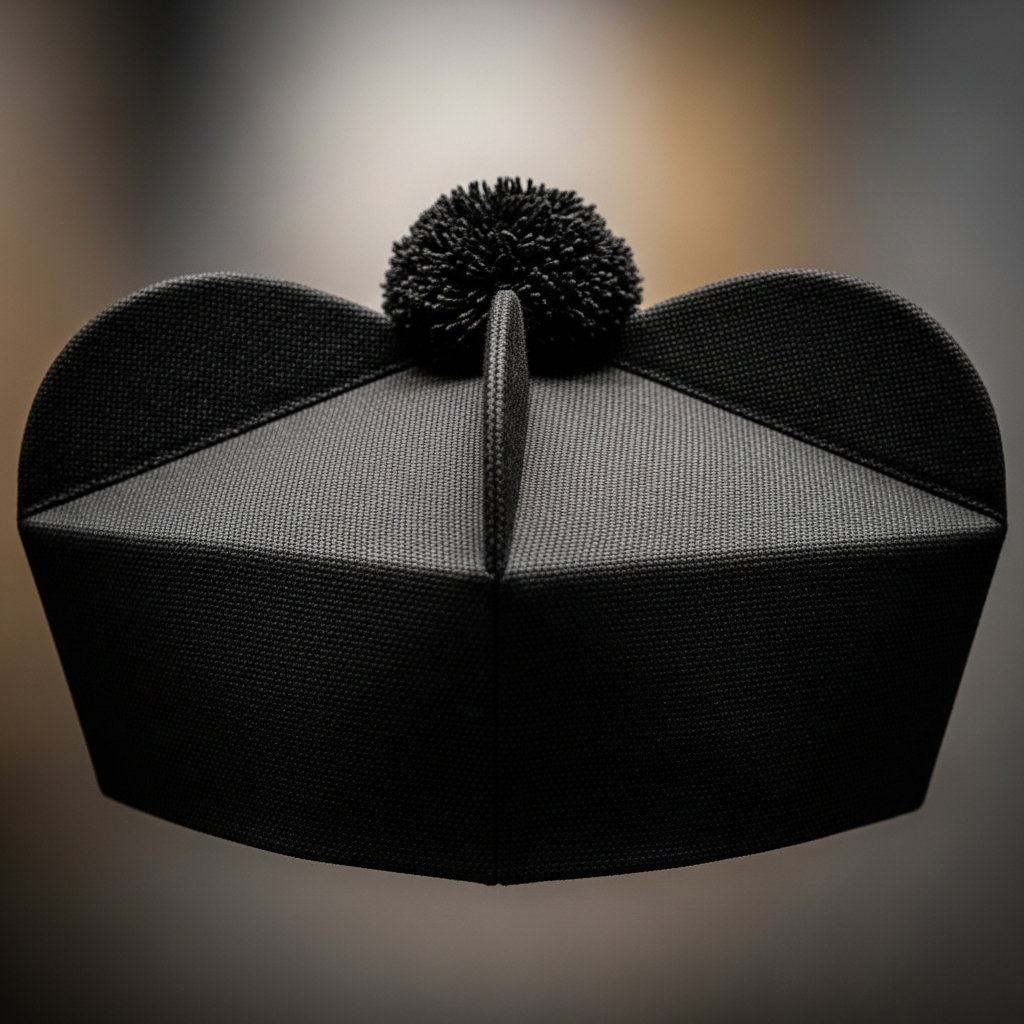
The biretta (Latin: birettum) is a square cap with three or four ridges or peaks (called “horns” or “fins”) worn by the clergy of the Catholic Church, as well as some Anglican and Lutheran traditions. It is typically worn over the zucchetto (the small skullcap) and is used both in liturgical settings and as part of the formal choir dress.
Structurally, the biretta is unique. It is designed to be easily grasped by the fins when being removed or replaced during a service. Its development is a testament to the practical needs of the clergy meeting the artistic sensibilities of the Middle Ages and the Renaissance.
The Historical Evolution of the Biretta
To understand the biretta, one must look back at the evolution of academic and ecclesiastical dress. Its history is a fascinating journey from a simple soft cap to a structured symbol of authority.
From the Pileus to the Birettum
The ancestor of the biretta is the pileus, a soft, close-fitting skullcap used in the medieval period to keep the heads of scholars and clerics warm in drafty stone buildings. Over time, as scholars began to receive degrees, the pileus evolved into the pileus quadratus (square cap).
By the 14th and 15th centuries, this cap began to take on a more structured shape. The corners were pinched to make it easier to put on and take off, which eventually led to the development of the “fins” we see today.
The Council of Trent and Standardisation
It was during the post-Tridentine era that the biretta became a standard part of the liturgical vestments for the Latin Rite. The Church sought to create a uniform appearance for its priests, and the black biretta became the standard for those in Holy Orders.
The Anatomy of a Biretta
A traditional biretta is not merely a hat; it is a carefully constructed garment with specific components that carry their own names and purposes.
- The Fins (Peaks): Most birettas have three fins. These are positioned on the front, back, and right sides. There is typically no fin on the left side. This design allows the wearer to remove the hat with their right hand.
- The Pompom (Tuft): The pompom is an ornamental tuft of silk or wool located at the center where the fins meet. Not all birettas have pompoms; for example, those worn by Cardinals never feature a pompom.
- The Body: The square frame is usually made of stiffened cardboard or buckram, covered with fabric such as wool, silk, or moiré silk.
- The Lining: The interior is typically lined with silk or a similar smooth fabric, often in a color that matches the exterior or denotes a specific rank.
Colors and Ranks: Who Wears What?
In the Catholic Church, the color of the biretta and its pompom serves as a visual indicator of the wearer’s rank and jurisdiction.
1. The Priest’s Biretta (Black)
The standard biretta for a priest is entirely black. If he has a pompom, it is also black. In some traditions, a priest who has earned a doctorate in theology may wear a black biretta with a four-cornered design (four fins) and sometimes a colored pompom (such as red or blue), depending on his university’s tradition.
2. The Monsignor’s Biretta
A Monsignor (Chaplain of His Holiness or Prelate of Honor) wears a black biretta, but it is distinguished by a purple (amaranth) pompom. This subtle change signifies their elevated status within the papal household.
3. The Bishop’s Biretta (Purple/Amaranth)
Bishops and Archbishops wear a biretta made of purple or amaranth-colored silk. The pompom is the same color. This matches the purple of their cassock and signifies their role as shepherds of the flock.
4. The Cardinal’s Biretta (Scarlet Red)
Cardinals wear a scarlet red biretta. Unlike the others, the Cardinal’s biretta has no pompom. The scarlet color symbolizes their willingness to shed their blood for the defense of the Holy Faith. When a Pope “creates” a new Cardinal, the imposition of the red biretta is a central part of the consistory ceremony.
5. The Pope’s Biretta (White)
While the Pope traditionally wears a white zucchetto, the use of a white biretta is extremely rare in the modern era. Historically, some Popes wore a white version, but it has largely been replaced by the camauro (a velvet cap) for winter use, though even that is rarely seen today.
The Liturgical Use: The “Biretta Dance”
One of the most complex aspects of the biretta for a beginner is learning when to wear it and when to remove it during the Mass. This rhythmic movement is sometimes colloquially called the “biretta dance.”
When to Wear the Biretta
- The Procession: The priest wears the biretta as he processes into the church to begin the Mass.
- While Seated: The priest wears the biretta whenever he is seated during the liturgy (e.g., during the readings or the homily).
- The Recession: The priest wears the biretta as he leaves the sanctuary at the end of the Mass.
When to Remove the Biretta
- When Standing: A priest never wears the biretta while standing during the liturgy.
- At the Mention of the Holy Name: It is a traditional sign of reverence to tip or remove the biretta whenever the name of Jesus is mentioned.
- During Prayer: The biretta is always removed for formal prayers, the Gospel, and the Consecration.
The Academic Biretta: A Scholarly Tradition
The biretta is not exclusive to the Church. It remains a significant part of academic regalia in many European universities, particularly those with medieval roots.
The academic biretta often has four fins instead of three. In countries like Spain and Germany, doctoral graduates wear birettas in colors representing their field of study (e.g., blue for philosophy, red for law, yellow for medicine). The famous “mortarboard” seen at modern American graduations is actually a direct descendant of the square-topped biretta.
How to Wear a Biretta Correctly
If you are a seminarian or a member of the clergy using a biretta for the first time, following the correct etiquette is vital for maintaining the dignity of the liturgy.
Step 1: Positioning
Place the biretta on your head so that the three fins are positioned correctly. The “missing fin” should be on your left side. This ensures that when you reach up with your right hand, your fingers naturally find the middle fin to lift the hat.
Step 2: The Right-Hand Rule
Always use your right hand to handle the biretta. When removing it, grasp the center fin firmly but gently.
Step 3: The Bow
When sitting down, you first sit, then place the biretta on your head. When rising, you first remove the biretta, then stand. If you are wearing the biretta and the Holy Name of Jesus is mentioned, you should perform a “bow of the head” which involves slightly lifting the biretta off the head and nodding.
Materials and Craftsmanship
A high-quality biretta is an investment. Because it is a structured garment, the craftsmanship determines how long it will hold its shape.
- Wool: Durable and traditional for daily use.
- Silk Satin: Often used for Bishops and Cardinals for a more formal, lustrous appearance.
- Moiré Silk: A “watered” silk pattern reserved for certain high-ranking prelates or those with specific privileges.
- Buckram Frame: Ensure the internal frame is made of high-quality buckram to prevent the biretta from sagging in humid environments.
The Symbolic Meaning of the Biretta
Beyond its practical use as a hat, the biretta carries deep spiritual symbolism.
- Authority: Like a crown, it represents the authority of the office held by the cleric.
- The Holy Trinity: The three fins are often interpreted as representing the Father, the Son, and the Holy Spirit.
- Intellectual Discipline: As a descendant of the academic cap, it represents the priest’s role as a teacher and a man of learning.
- Humility: By removing the cap before the Blessed Sacrament, the priest demonstrates that his authority is subordinate to that of Christ.
Common Myths and Misconceptions
Myth 1: The Biretta was banned after Vatican II.
This is incorrect. While the use of the biretta became optional (and less common) following the liturgical reforms of the 1960s, it was never banned. Many priests, particularly those celebrating the Extraordinary Form (Traditional Latin Mass), continue to use it.
Myth 2: The pompom has a specific rank meaning.
While the color of the pompom matters, the existence of the pompom itself is often a matter of regional style. Roman-style birettas usually have them, while some French or Spanish styles might vary.
Myth 3: All square hats are birettas.
Not quite. The Canterbury Cap used in the Anglican tradition is soft and lacks the rigid internal frame of a Roman biretta. The Zucchetto is the small skullcap worn under the biretta.
Buying Guide: What to Look For
If you are looking to purchase a biretta, consider the following factors:
- Size Accuracy: Birettas are sized by head circumference. Use a soft measuring tape just above the ears.
- Foldable vs. Rigid: Some modern birettas are “collapsible” for easy travel. While convenient, they often lack the sharp, traditional silhouette of a rigid frame.
- Lining Color: Ensure the lining matches the liturgical requirements of your rank.
Expert Tips for Maintenance
To keep your biretta in pristine condition:
- Store it Upside Down: Rest the biretta on its fins or use a dedicated hat stand to prevent the base from warping.
- Brush Regularly: Use a soft-bristled clothes brush to remove dust from the fabric.
- Avoid Moisture: If it gets wet in the rain, reshape it immediately and allow it to air dry away from direct heat.
Conclusion
The biretta is more than just a piece of ecclesiastical dress; it is a bridge to the past and a visible sign of a priest’s consecration to God. Whether it is the simple black wool of a parish priest or the scarlet silk of a Cardinal, the biretta commands respect and adds to the “beauty of holiness” in the liturgy.
By understanding its history, anatomy, and the rules governing its use, you can better appreciate the intricate layers of tradition that make up the life of the Church. As interest in traditional liturgical forms grows, the biretta remains a steadfast symbol of the clerical state.
FAQ: Frequently Asked Questions about the Biretta
Why do some birettas have four fins?
The four-finned biretta is traditionally reserved for those who hold a Doctorate in Canon Law or Theology. This distinguishes the “Doctoral Biretta” from the standard three-finned version used by priests.
What is the difference between a biretta and a zucchetto?
A zucchetto is a small, round skullcap that covers only the crown of the head. A biretta is a larger, square, structured hat worn over the zucchetto. The zucchetto is worn almost throughout the entire Mass (except during the Canon), while the biretta is removed whenever the priest is standing or praying.
Can a deacon wear a biretta?
Traditionally, deacons were permitted to wear a black biretta without a pompom, though in many modern contexts, it is primarily associated with the priesthood.
Is the biretta still mandatory?
According to current liturgical laws for the Ordinary Form of the Roman Rite, the biretta is optional. However, for the Extraordinary Form (Traditional Latin Mass), its use is prescribed by the rubrics.
Why does the Cardinal’s biretta have no pompom?
The absence of a pompom on a Cardinal’s biretta is a tradition that emphasizes the gravity and solemnity of their office. It also distinguishes the “Princes of the Church” from other prelates.
How do I know my biretta size?
Measure the circumference of your head about half an inch above your ears. Most ecclesiastical tailors use centimeters for sizing (e.g., 56cm, 58cm, 60cm).