There is a brief, magical period in spring when apple orchards transform into a sea of delicate pink and white. This breathtaking display, known as the apple blossom season, is far more than just a beautiful sight. It represents the very beginning of the apple’s journey, from a fragile flower to the crisp, juicy fruit we all enjoy. Understanding the apple blossom means appreciating a crucial phase in agriculture, a vital ecological event, and a symbol deeply ingrained in human culture. These fleeting flowers hold immense significance, promising renewal and abundance with every unfurling petal.

I remember one crisp spring morning, walking through an old orchard with my grandfather. The air was cool, but the sun, just rising above the distant hills, promised warmth. Suddenly, we were enveloped in a gentle, sweet fragrance. It was the apple blossom, thousands upon thousands of tiny blooms, painting the branches in shades of blush and ivory. Bees hummed busily around us, a symphony of nature at work. My grandfather, with a twinkle in his eye, simply said, “This is where the magic begins.” That moment solidified for me the profound connection between these delicate flowers and the bounty that follows, a memory etched by the sheer beauty and promise of the apple blossom.
Decoding the Beauty: What Exactly is an Apple Blossom?
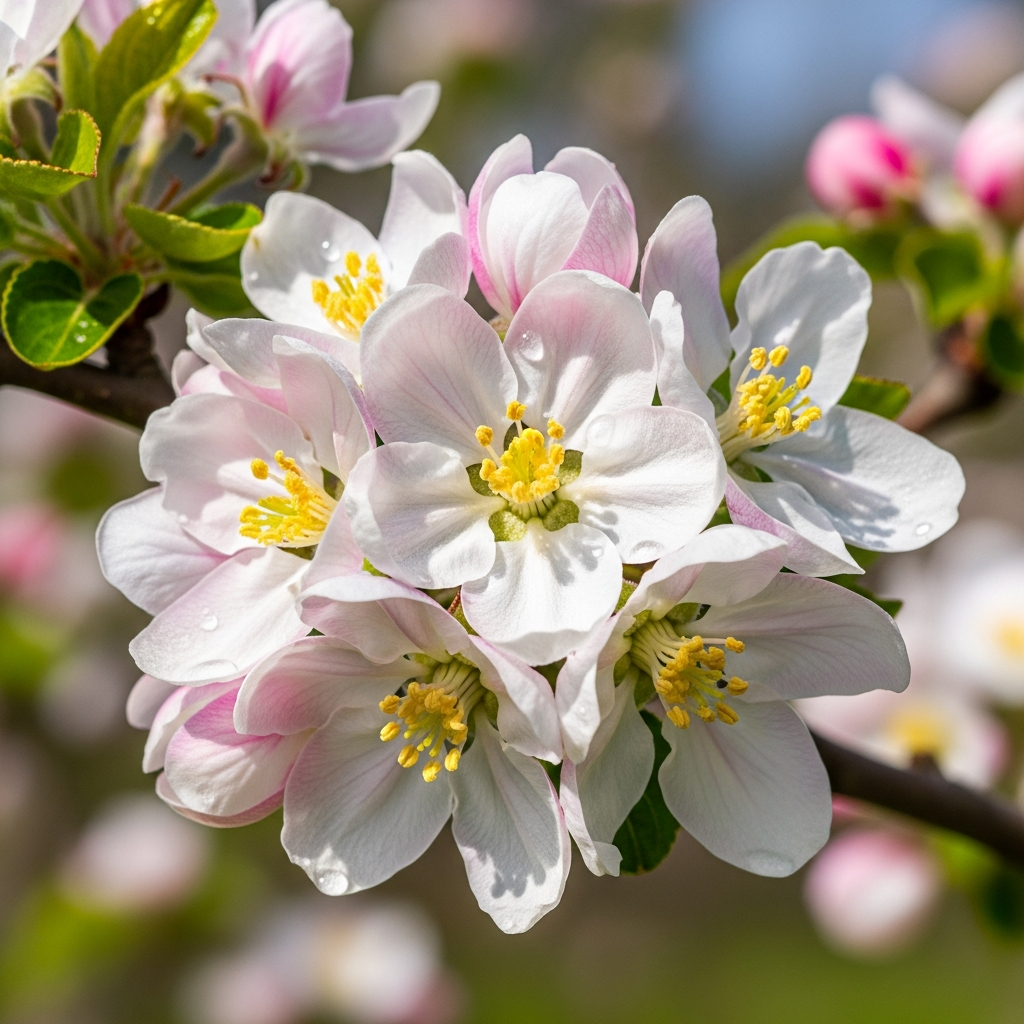
An apple blossom is the fragrant and showy flower produced by the domestic apple tree, scientifically known as Malus domestica. These beautiful blooms are typically white, often featuring a subtle pink tinge that gradually fades over their lifespan. Each apple blossom usually measures between 1 to 1.5 inches in diameter and showcases five distinct petals arranged around a cluster of numerous stamens. They appear in clusters, commonly referred to as cymes, which typically contain four to six individual flowers.
Among these clusters, a central flower, often larger and opening earlier than its companions, is known as the “king bloom.” This particular apple blossom holds special importance because it frequently develops into the largest and most desirable fruit if successfully pollinated. Growers often monitor the king bloom closely, as its health can be an indicator of the overall potential for a strong harvest. The presence and vitality of the apple blossom signify not only the arrival of spring but also the crucial start of the fruit-bearing cycle for these beloved trees.
Why are apple blossoms so special? Beyond their undeniable aesthetic appeal, these flowers are the very foundation of apple production worldwide. Without the successful bloom and subsequent pollination of the apple blossom, there would be no apples. They serve as a critical attraction for pollinators, acting as a beacon of nectar and pollen for insects vital to the ecosystem. Their delicate appearance belies their robust biological function, setting the stage for one of the world’s most consumed fruits. The journey from a small bud to a fully formed apple blossom is a marvel of natural engineering, finely tuned to ensure the continuation of the species and provide sustenance for countless others.
The Remarkable Journey: Lifecycle of an Apple Blossom
The transformation of an apple tree from a dormant winter state to a vibrant bloom in spring is a fascinating process, intricately linked to environmental cues. Each apple blossom represents the culmination of a year-long cycle of development and preparation. This journey is a testament to nature’s precision, ensuring that the tree is ready to produce fruit when conditions are optimal.
From Dormancy to Dazzling Display: Bud Break and Early Development
The lifecycle of an apple blossom begins long before spring arrives. In fact, the tiny buds that will eventually burst into magnificent flowers actually develop on the trees during the harvest season of the previous fall. After the leaves drop in late autumn, these nascent buds become visible, lying dormant and enduring the cold temperatures of winter. This period of cold, known as the chilling requirement, is absolutely essential for the tree to break dormancy and prepare for spring growth. Most apple varieties require approximately 800 to 1200 chilling hours at temperatures between 40-45°F (4.4-7.2°C) to fulfill this critical requirement.
Once the chilling requirement has been met, the apple tree then begins to track accumulated warmth, measured as “growing degree hours.” The first visible signs of growth, often referred to as “silver-tip” or “green-tip” stages, appear roughly three to four weeks after this warmth accumulation begins. As temperatures continue to rise, the buds swell and gradually open, progressing through stages like “tight cluster” where individual flower buds become clearly discernible within their protective casings. This careful, measured progression ensures that the delicate apple blossom is not exposed to harsh conditions too early, safeguarding its potential.
By the time the buds reach the “pink” stage, the sepals guarding the future apple blossom often display a faint pink tinge at their tips. This phase is a crucial visual cue for orchard managers, signaling that full bloom is imminent. The pace of this early growth is highly dependent on ambient temperatures, highlighting the tree’s responsiveness to its environment rather than a strict calendar schedule. Indeed, the precise timing of when an apple blossom will appear can vary by several weeks year-to-year in a single location, making observation and understanding of these environmental factors paramount for successful cultivation.
The Peak of Perfection: Full Bloom and Pollination’s Crucial Role
May traditionally marks the peak blossoming period for many apple varieties, transforming orchards into picturesque landscapes. This spectacular but brief display, often referred to as “the flowers of May,” typically lasts only about three weeks in total. Within this window, each specific apple blossom cluster opens sequentially, with the central “king bloom” often leading the way. Weather conditions play an enormous role in influencing the duration of this flowering period; cooler temperatures can extend it, while warmer weather shortens it considerably.
Crucially, this flowering window provides approximately nine days when successful pollination can occur for each apple blossom. For an apple tree to set seed and develop fruit, its flowers require fertilization, a process overwhelmingly carried out by insects. Unlike many plants, apple pollen is heavy and sticky, meaning it generally cannot be transferred by wind. Therefore, the presence of active insect pollinators is not just beneficial, but absolutely essential for the proliferation of the apple blossom and the subsequent fruit production.
Bees are the primary and most effective pollinators for apple trees, due to their active pollen-collecting behavior. In the United States, an astonishing 90% of apple crops rely on bees for pollination. While managed honey bees are commonly introduced into orchards for this purpose, a diverse array of other bee species, including native solitary bees such as mining bees (Andrena genus) and mason bees (Osmia genus), also play an incredibly valuable role. These native bees are often even better adapted to apple pollination; some species, for instance, can fly and pollinate efficiently at lower temperatures than honey bees. Furthermore, most apple varieties are “self-incompatible,” meaning an apple blossom cannot be pollinated by pollen from the same tree or sometimes even the same variety. They require cross-pollination from a compatible cultivar planted nearby to produce optimal yields. This necessity often leads growers to plant “pollinizer” trees or graft branches from different varieties within their orchards to ensure robust fruit set for every apple blossom.
The Transformation: Petal Fall and the Promise of Fruit
Following the intense period of pollination, the delicate petals of the apple blossom begin to fall, scattering like snow across the orchard floor. This phase, known as petal fall, marks a critical transition. It signifies the end of the flower’s display and the beginning of the fruit development. While seemingly simple, the timing and completeness of petal fall are vital indicators for growers, often coinciding with the initial stages of fruitlet formation.
Once a successful pollination has occurred, the fertilized ovule within the apple blossom begins to swell, initiating the growth of the apple fruit. This stage is known as fruit set. Not every pollinated flower will develop into a mature fruit; often, more blossoms are produced than the tree can sustainably support. This natural abundance allows for some natural thinning or provides options for manual or chemical thinning by growers to ensure larger, higher-quality fruits. The tiny developing apples are initially green and inconspicuous, but their emergence is a direct consequence of the fleeting, yet powerful, life cycle of the apple blossom. The collective energy of a well-pollinated apple blossom translates into the promise of a bountiful harvest in the coming months, demonstrating the intricate link between ephemeral beauty and agricultural productivity.
A Kaleidoscope of Colors: Varieties of Apple Blossoms
Just as there is a vast array of apple fruits, there is a corresponding diversity in the apple blossom itself. While many might picture a generic pink-and-white flower, the nuances between varieties are quite striking and contribute to the overall charm and complexity of apple cultivation. These variations are not merely aesthetic; they can also influence bloom time and attract different pollinators.
Popular Apple Blossom Varieties and Their Characteristics
Each edible apple variety, from the widely cherished Gala to the crisp Fuji and the tart Granny Smith, produces its own unique apple blossom. While most blossoms fall within the spectrum of pale pink to pure white, subtle distinctions exist. For example, some varieties may have deeper pink hues in their buds that soften as the flower opens, while others might remain predominantly white throughout their bloom. The Gala apple, a popular early-harvesting, sweet variety, is known for its delicate pink-tinged white blossoms. The famous Cripps Pink cultivar, which yields Pink Lady apples, is notable for being one of the first varieties to bloom, yet it is among the last to be harvested. Its apple blossom typically displays a noticeable white-pink tinge.
Beyond color, other characteristics such as the size of the petals, the arrangement of the flowers within the cluster, and even the scent can vary. Some apple blossom types might have a more pronounced sweet fragrance, which plays a role in attracting specific insect pollinators. The visual differences, though sometimes subtle, are appreciated by horticulturalists and enthusiasts alike, showcasing the rich genetic diversity within the Malus domestica species. Growers often consider both the fruit characteristics and the bloom patterns when selecting varieties for an orchard, aiming for a combination that ensures both successful pollination and marketable fruit. This thoughtful selection contributes to the overall health and productivity of the entire apple blossom season.
The Ornamental Charm: Crabapple Blossoms
While the focus is often on the fruit-bearing apple tree, its close relatives, the ornamental crabapples (also Malus species), are celebrated almost exclusively for their spectacular apple blossom displays. These trees are horticultural wonders, bred specifically for their abundant and often vibrant flowers, rather than their small, usually tart fruits. Crabapple blossoms come in an even wider range of colors, from pure white to deep fuchsia and crimson, and some varieties boast double layers of petals, creating a very full, floriferous effect.
Many urban landscapes, parks, and home gardens feature crabapple trees precisely for this reason. Their riot of color and fragrance in spring offers a stunning visual feast. While the fruits of ornamental crabapples are typically small and not commercially grown for eating, they still serve an important ecological function. Their apple blossom provides an early and plentiful source of nectar and pollen for pollinators, contributing to local biodiversity even in non-orchard settings. In some orchards, crabapples are strategically planted as “pollinizers” to ensure adequate cross-pollination for edible apple varieties, leveraging their abundant apple blossom to support fruit production. This dual role underscores the versatility and value of the broader Malus family.
Nature’s Lifeline: The Ecological Importance of Apple Blossom
The apple blossom is not just a pretty face; it plays a profoundly significant role in the intricate web of nature. Its brief appearance in spring is a crucial event for countless species, highlighting its fundamental importance to ecosystem health and biodiversity. Without the robust flowering of the apple blossom, many dependent life forms would face considerable challenges.

A Vital Nectar and Pollen Source
For insect pollinators, the widespread bloom of the apple blossom represents a vital and often early source of essential nutrients. These delicate flowers are rich in both nectar, which provides energy in the form of sugars, and pollen, a crucial source of protein, fats, vitamins, and minerals. The nectar sugar content in apple flowers can range significantly, typically between 25-58%, making the apple blossom a highly attractive reward for foraging insects. This rich offering is particularly important in early spring when other floral resources might still be scarce.
A diverse array of insects are drawn to the allure of the apple blossom. While honey bees are perhaps the most well-known visitors, research shows that apple flowers attract insects from at least five orders, including Hymenoptera (bees, wasps), Diptera (flies), Lepidoptera (butterflies, moths), Coleoptera (beetles), and Thysanoptera (thrips). Among these, insects from the order Hymenoptera, particularly bees, are the most abundant and effective pollinators. Native solitary bees, such as large and small mining bees (Andrena species) and cavity-nesting mason bees (Osmia species), are especially prized by orchardists. These bees often emerge early in spring, perfectly timed with the flowering of the apple blossom, and can even pollinate more efficiently than honey bees under certain conditions. The consistent availability of this floral resource helps sustain pollinator populations through a critical period of their life cycle.
Supporting Ecosystem Health and Biodiversity
The presence of widespread apple blossom contributes significantly to broader ecosystem health and biodiversity. Orchards, when managed with ecological considerations, can act as important habitats, providing food and shelter for a variety of wildlife beyond just pollinators. The extensive root systems of apple trees contribute to soil health by preventing erosion and improving soil structure, creating a more stable environment for diverse microorganisms and invertebrates.
Furthermore, the integration of conservation measures, such as planting flower strips and hedges adjacent to apple orchards, has been shown to be highly beneficial for pollinators. While the apple blossom provides a burst of resources during its bloom, these additional floral patches offer a more continuous supply of pollen and nectar from spring to late summer. This sustained foraging opportunity helps support a wider range of pollinator species, including bumblebees and mason bees, throughout the entire growing season. This holistic approach ensures that the ecological value derived from the apple blossom extends beyond its ephemeral bloom, fostering a resilient and biodiverse environment that benefits both agriculture and nature.
Beyond the Orchard: Cultural Significance and Celebrations of Apple Blossom
The beauty and promise of the apple blossom have captivated human imagination for centuries, imbuing these delicate flowers with profound cultural significance across various civilizations and traditions. They symbolize far more than just the onset of fruit production; they embody deeply human concepts of love, beauty, and new beginnings.
Global Festivals and Traditions
Around the world, the apple blossom is often celebrated with festivals and events that honor its beauty and agricultural importance. Perhaps one of the most famous in North America is the Washington State Apple Blossom Festival, an annual tradition that draws visitors from far and wide to witness the spectacular blooms and participate in vibrant community activities. This festival has a rich history, dating back to 1919, with the goal of showcasing the region’s apple industry and scenic beauty. It features parades, events, and fireworks, celebrating the vital role of the apple blossom in the local economy and culture.
Similarly, in Japan, while cherry blossoms often take center stage in the Hanami tradition, the symbolism behind flowering fruits like apples is equally significant, particularly in rural communities. The annual Apple Blossom Festival in Hirosaki, Japan, for instance, celebrates the beauty of these blooms. Closer to home, the apple blossom holds a special place in the heart of Michigan, where it was officially designated as the state flower on April 28, 1897. Michigan’s rich history of apple production, thanks to its favorable climate, made the apple blossom a natural and fitting emblem for the state, representing its agricultural heritage and natural beauty. These celebrations serve as a reminder of the enduring connection between humanity and the natural world, with the apple blossom at its heart.
Symbolism in Art, Literature, and Folklore
The rich symbolism of the apple blossom permeates various forms of art, literature, and folklore across different cultures. These soft pink and white flowers are widely recognized as symbols of love, beauty, fertility, and renewal. Their ephemeral nature also serves as a poignant reminder of life’s transience, highlighting how beautiful moments can be both fleeting and deeply impactful. In many traditions, the blossoming of apple trees is directly associated with new beginnings, a hopeful sign after the dormancy of winter.
Historically, the apple blossom has maintained ties to biblical narratives, particularly in Western culture, where it often symbolizes purity and beauty, echoing stories like that of Adam and Eve. In Eastern cultures, it is frequently associated with love and fertility. Ancient myths further depict apple blossoms as powerful symbols of rejuvenation and growth. For instance, the ancient Greeks believed apples were sacred to Aphrodite, the goddess of love, and gifting an apple was seen as a declaration of affection. In Norse mythology, apples were revered as symbols of immortality and fresh starts. These deep-seated associations illustrate how humanity has looked to the apple blossom for meaning and inspiration throughout history.
Folklore traditions and superstitions have also been passed down through generations, further enriching the mystique of the apple blossom. In some cultures, an early bloom of the apple blossom is believed to signify a particularly fruitful year ahead. Others hold the belief that bringing apple blossoms into the home can invite good luck and ward off evil spirits. Conversely, a superstition suggests it is unlucky to pick apple blossoms after dark, as it might bring misfortune. These diverse interpretations underscore the profound and multifaceted role the apple blossom plays in the collective human consciousness, weaving its delicate petals into the fabric of our stories and beliefs.
Nurturing Your Own: Growing and Caring for Apple Blossom Trees
Cultivating an apple tree that consistently produces a magnificent apple blossom display, followed by a bountiful harvest, requires understanding its specific environmental needs and providing diligent care. Whether you are a seasoned orchardist or a backyard gardener, attention to detail during the lifecycle of the apple blossom is paramount.
Ideal Growing Conditions for a Thriving Apple Blossom
For your apple tree to produce abundant and healthy apple blossom, selecting the right site and preparing the soil correctly are foundational steps. Apple trees thrive in locations that receive full sunlight for at least six to eight hours each day. Ample sunlight is crucial for energy production, which directly supports flower bud formation and overall tree health. Without sufficient light, the apple blossom may be sparse and less vigorous.
The soil itself also plays a critical role. Apple trees prefer well-drained soil that is rich in organic matter, with an ideal pH level between 6.0 and 7.0. Before planting, it is highly recommended to conduct a soil test to understand its current composition and pH. Amendments such as compost or well-rotted manure can significantly improve soil fertility and structure, creating an optimal environment for the tree’s roots to establish and for the apple blossom to flourish. Proper spacing is equally important; for standard trees, allow 15-20 feet between each plant, while dwarf varieties can be spaced 8-10 feet apart. This ensures adequate air circulation, reduces the risk of disease, and prevents competition for resources, ultimately supporting a healthier apple blossom display.
Consistent moisture is another non-negotiable requirement, especially during critical periods like flowering and fruit development. Deep watering sessions, particularly during dry spells, are preferable to shallow, frequent watering, as they encourage the development of a robust, deep root system. Fertilization also supports the tree’s health and subsequent apple blossom production. Applying a balanced fertilizer, often with a slightly higher nitrogen content (such as 10-10-10 or 20-10-10), in early spring as new growth begins can promote strong initial growth and abundant flower development. A second application in mid-summer can further support continued growth and fruit production, ensuring that the tree has the energy needed to form next year’s apple blossom buds.
Protecting Your Apple Blossom from Challenges
Even with ideal growing conditions, apple trees and their delicate apple blossom can be susceptible to various pests and diseases. Regular inspection of your trees is crucial for early detection and effective management. Common pests include aphids, spider mites, and codling moths, which can damage leaves, shoots, and developing fruit. Organic pest control methods, such as introducing beneficial insects or using horticultural oils, can be effective strategies. Diseases like apple scab and powdery mildew are also prevalent and can significantly impact the health of the foliage and the quality of the apple blossom and fruit. Proper spacing between trees, as mentioned earlier, helps ensure good air circulation, which is a key factor in mitigating fungal diseases.
Pruning is another essential practice for maintaining the health and vigor of your apple tree and ensuring a robust apple blossom yield. The best time for annual pruning is typically in late winter or early spring, before the buds break. This involves removing any dead, damaged, or crossing branches to improve the tree’s structure and overall health. A key goal of pruning is to create an open center or a well-distributed canopy that allows sunlight to penetrate all parts of the tree and air to circulate freely. Improved light distribution through the canopy directly enhances the quality of flower buds that will develop into the next season’s apple blossom. Summer pruning can also be used judiciously to manage growth and further improve light penetration into the tree’s interior, optimizing conditions for future blooms.
Finally, proactive measures, such as selecting disease-resistant varieties, can significantly reduce the challenges of pest and disease management. Newer cultivars, like the Cosmic Crisp, have been specifically bred for their toughness against common ailments such as apple scab and powdery mildew, making them excellent choices for organic gardeners. By combining careful variety selection, proper site management, timely watering and fertilization, and vigilant pest and disease control, you can cultivate a healthy apple tree that consistently graces your garden or orchard with its stunning apple blossom display.
The Harvest’s Genesis: Economic Impact and Agricultural Trends of Apple Blossom
The fleeting beauty of the apple blossom masks its profound economic significance, serving as the foundational stage for a