Baby Angels: Exploring the Symbolism, History, and Spiritual Comfort of Celestial Infants
The concept of baby angels is one that resonates deeply across cultures, religions, and artistic traditions. Whether you are exploring this topic out of spiritual curiosity, artistic interest, or as a means of finding solace during a period of grief, understanding the multifaceted nature of these celestial beings provides a unique perspective on innocence and the divine.
In this comprehensive guide, you will discover the historical roots of baby angels, their role in modern spirituality, and how they serve as symbols of hope and protection for families worldwide.
What Are Baby Angels? Defining the Celestial Concept
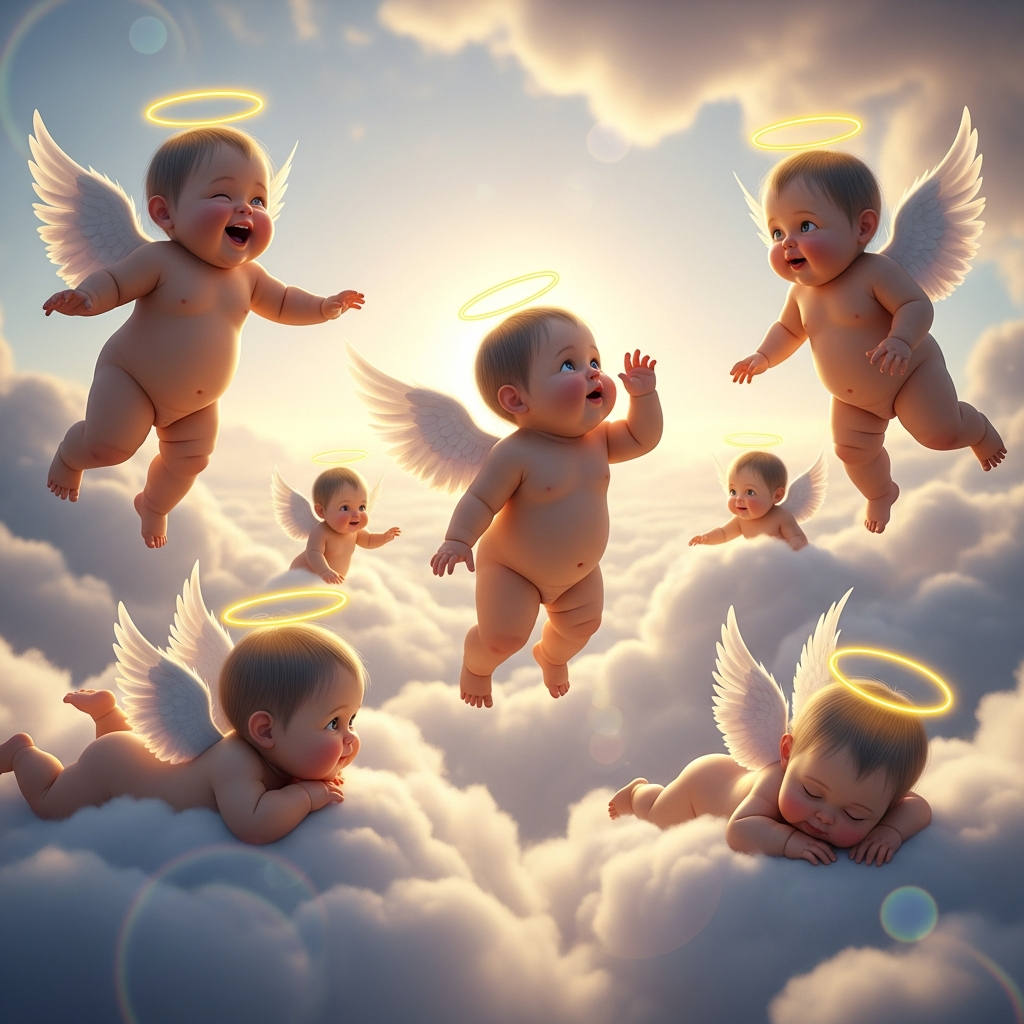
When people refer to “baby angels,” they are often blending several distinct concepts into one comforting image. In a general sense, a baby angel is a spiritual being depicted with the physical characteristics of an infant or a young child, usually possessing wings.
The Distinction Between Cherubs and Baby Angels
In theological circles, the term Cherubim refers to a high-ranking order of angels. However, the popular image of a “baby angel” that you see on greeting cards or in nursery decor is technically known as a putto (plural: putti).
- Cherubim: Historically described as powerful, multi-winged beings guarding the gates of Eden.
- Putti: Secular or religious artistic depictions of chubby, winged infants that represent love, innocence, and the presence of the divine in a more approachable form.
The Symbolism of Innocence
The primary reason baby angels are depicted as infants is to represent purity and innocence. Because infants are viewed as being without sin and closely connected to the source of life, they serve as the perfect vessel for conveying messages of unconditional love and divine protection.
The Historical Evolution of Baby Angels in Art
To truly understand the impact of baby angels on modern culture, you must look back at the history of Western art. The transition from the formidable angels of the Middle Ages to the soft, rounded figures of the Renaissance changed how humanity perceived the spiritual realm.
The Renaissance Influence
During the 14th and 15th centuries, artists like Donatello and Raphael began incorporating putti into their masterpieces. Perhaps the most famous example of baby angels in history is found in Raphael’s Sistine Madonna. The two contemplative cherubs at the bottom of the painting have become iconic symbols of curiosity and divine presence.
The Baroque and Rococo Periods
As art moved into the Baroque period, baby angels became even more ornamental. They were used to fill the ceilings of grand cathedrals, creating the illusion that heaven was opening up and spilling over with celestial children. This era solidified the idea that the presence of many baby angels signified a joyful, bustling spiritual world.
Baby Angels as Guardian Spirits: Divine Protection for the Young
Many traditions suggest that children are assigned specific guardian angels from the moment of conception or birth. The idea of a baby angel acting as a protector is a source of great comfort for parents.
Spiritual Guardianship
In various spiritual beliefs, it is thought that baby angels watch over nurseries, protecting infants from spiritual or physical harm. This belief is often reflected in:
- Nursery Murals: Paintings of winged infants watching over a sleeping child.
- Bedtime Prayers: Traditional rhymes asking for angelic protection through the night.
- Amulets and Jewelry: Small angel charms given to newborns during baptisms or naming ceremonies.
The Connection Between Nature and Angels
In some folklore, baby angels are also seen as protectors of nature—tending to flowers and small animals. This reinforces the “innocent” nature of these beings, suggesting that they reside in a realm where everything is gentle and unharmed.
Finding Solace: Baby Angels and the Journey of Infant Loss
For many, the term “baby angel” takes on a much more personal and poignant meaning. In the context of pregnancy loss, stillbirth, or the passing of an infant, parents often refer to their departed little ones as “angel babies.”
The Psychology of the “Angel Baby” Concept
Assigning the identity of an angel to a lost child provides a framework for processing immense grief. It allows you to believe that:
- The Child is Safe: The infant is no longer suffering and is in a place of ultimate peace.
- The Connection Remains: The child is still present in a spiritual form, watching over the family.
- Purpose in Pain: Thinking of a child as an angel can help parents find a sense of spiritual purpose amidst the tragedy.
Creating a Memorial Space
If you are seeking ways to honor a “baby angel,” creating a dedicated space can be a therapeutic part of the healing process. Consider the following ideas:
- Memorial Gardens: Planting white flowers (symbolizing purity) and placing a small angel statue.
- Memory Boxes: Keeping ultrasound photos, a lock of hair, or a hospital bracelet alongside an angel figurine.
- Custom Jewelry: Wearing a necklace with angel wings and the child’s birthstone.
Incorporating Baby Angel Themes into Modern Life
Beyond the realms of grief and history, baby angels remain a popular aesthetic choice for those who appreciate the “Cottagecore” or traditional classical styles.
Nursery Decor and Aesthetics
Using baby angel motifs in a nursery can create a serene and heavenly atmosphere. You might consider:
- Soft Color Palettes: Using creams, golds, and pale blues to complement the celestial theme.
- Textiles: Choosing blankets or curtains with subtle wing patterns or embroidered cherubs.
- Wall Art: High-quality prints of classical angel art to add a touch of timeless elegance.
Meaningful Gifts
A baby angel figurine or artwork makes for a thoughtful gift for several occasions:
- Baptisms and Christenings: Symbolizing the child’s new spiritual journey.
- Baby Showers: Offering a wish of protection for the coming newborn.
- Bereavement: Providing a tangible symbol of hope for a grieving friend.
Cultural Perspectives on Celestial Infants
While the Western “Cherub” is the most recognizable, other cultures have their own versions of small, divine beings that share similar traits with baby angels.
The Islamic Perspective
In Islamic tradition, children who pass away before reaching the age of maturity are believed to enter Paradise immediately. They are often described as being in the care of Prophet Ibrahim (Abraham) in a beautiful garden, acting as “intercessors” for their parents.
Folklore and Fairies
In some European folk traditions, the line between “baby angels” and “nature spirits” or “fairies” is blurred. These small, winged beings are thought to bring luck to a household and ensure the health of the family’s children.
Expert Tips for Choosing Baby Angel Art and Decor
When you are looking to purchase or commission art featuring baby angels, keep these professional tips in mind to ensure the piece carries the right energy:
- Focus on the Expression: The most impactful angel art focuses on the eyes and the serenity of the face. Look for pieces that evoke a sense of peace rather than sadness.
- Consider the Material: For outdoor memorials, choose stone or high-grade resin that will weather gracefully, symbolizing the enduring nature of the spirit.
- Balance the Style: If you are decorating a modern home, look for “minimalist” angel silhouettes rather than highly detailed Baroque statues to maintain a contemporary feel.
Frequently Asked Questions (FAQ)
What is the difference between an “Angel Baby” and a “Baby Angel”?
While often used interchangeably, a “Baby Angel” usually refers to a celestial being (like a cherub) from mythology or religion. An “Angel Baby” is a term of endearment specifically used by parents to refer to a child they have lost during pregnancy or infancy.
Are baby angels mentioned in the Bible?
The Bible mentions Cherubim frequently, but they are described as majestic and sometimes fearsome protectors. The “cute, chubby baby” version of an angel is an artistic development from the Renaissance period rather than a literal scriptural description.
Why do baby angels have wings?
Wings symbolize the ability to travel between the earthly realm and the divine realm. In the case of baby angels, the wings are often depicted as small and soft, emphasizing their gentle nature and their role as messengers of love.
How can I support someone who has lost an “Angel Baby”?
The best way to support someone is to acknowledge their loss. Using the term “angel baby” if the parent uses it can be very validating. Giving a small, tasteful angel-themed gift or card can show that you remember and honor their child’s brief but significant life.
Is it okay to use baby angels in non-religious decor?
Absolutely. For many, baby angels represent universal themes of peace, childhood innocence, and the beauty of the human form. You do not need to be religious to appreciate the aesthetic and emotional value of these figures.
Conclusion: The Enduring Legacy of the Baby Angel
The image of the baby angel continues to be a powerful symbol in our modern world. Whether they are seen as guardians of the nursery, icons of art history, or spiritual beacons for those navigating the waves of grief, these celestial beings remind us of the purity that exists within the human experience.
By understanding the history and symbolism behind these figures, you can better appreciate their presence in your life—whether as a source of aesthetic beauty or a profound pillar of spiritual comfort. As you move forward, may the image of the baby angel serve as a reminder that innocence and love are eternal forces that transcend the physical world.