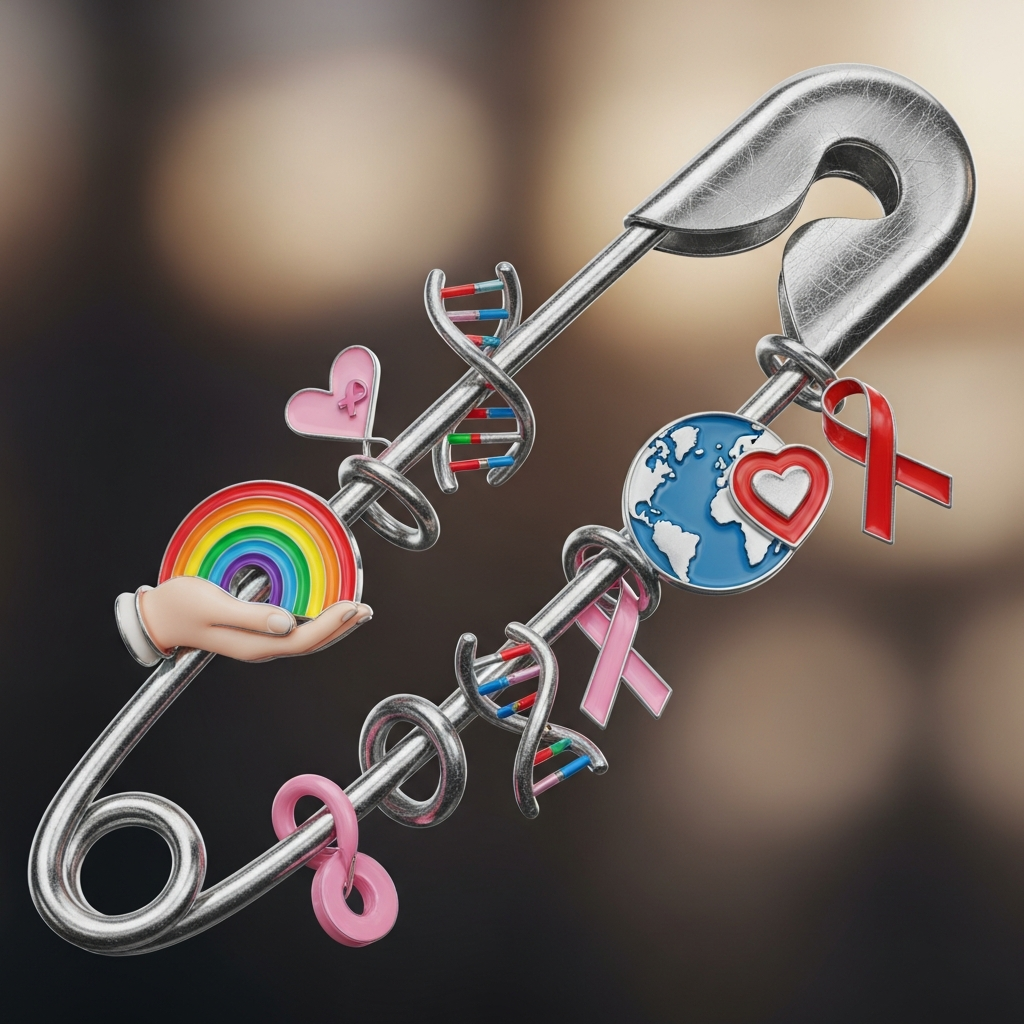
Safety Pin Meaning: From Simple Utility to a Global Symbol of Solidarity
The safety pin is a ubiquitous household item, often relegated to the depths of sewing kits or used as a temporary fix for a broken zipper. However, if you look closer at the safety pin meaning, you will find a rich tapestry of history, rebellion, and deep social significance. This humble tool, made of a simple coil and a clasp, has transcended its functional purpose to become a powerful emblem in fashion, politics, and spiritual protection.
In this comprehensive guide, we will explore the multifaceted layers of the safety pin’s identity, tracing its journey from a 19th-century invention to its status as a modern-day symbol of allyship and resilience.
The Functional Origins: Who Invented the Safety Pin?
To understand the symbolism of safety pins, we must first look at their origin. While pin-like fasteners have existed since the Mycenaean era (known as fibulae), the modern safety pin as we know it was patented in 1849 by an American inventor named Walter Hunt.
The story of its invention is one of necessity and debt. Hunt reportedly owed a friend fifteen dollars and needed a way to pay it back. He took a piece of brass wire, twisted it in the center to create a spring action, and added a clasp at the end to shield the point. He sold the patent for $400, settled his debt, and unknowingly created one of the most versatile tools in human history.
The Engineering Brilliance
The “safety” in its name refers to the clasp that covers the sharp point, preventing the wearer from being pricked. This duality—the sharp point (potential pain) and the protective clasp (safety)—is at the very heart of the safety pin meaning in various cultural contexts.
The Safety Pin as a Symbol of Resistance: World War II
One of the earliest recorded instances of the safety pin being used as a political statement occurred during World War II. In the Netherlands, under Nazi occupation, the Dutch people sought subtle ways to show their loyalty to the exiled Queen Wilhelmina.
Because overt displays of patriotism were dangerous, the Dutch began wearing safety pins hidden under their coat lapels. This act of “silent resistance” allowed individuals to recognize fellow patriots without alerting the authorities. Here, the safety pin meaning was synonymous with national identity, loyalty, and secret defiance against oppression.
The Punk Rock Revolution: Rebellion and Deconstruction
In the 1970s, the safety pin underwent a radical transformation. No longer just a hidden tool or a sign of quiet loyalty, it became a loud, aggressive symbol of the punk subculture.
Anti-Establishment Fashion
Pioneered by figures like Vivienne Westwood and Malcolm McLaren, and popularized by bands like the Sex Pistols, the safety pin was used to hold together torn clothing. This was a deliberate “anti-fashion” statement. By taking a mundane, domestic object and using it as jewelry or a structural element in clothing, punks signaled their rejection of mainstream consumerist values.
The Aesthetics of Pain
In the punk scene, the safety pin meaning shifted toward self-expression and shock value. It was not uncommon for individuals to pierce their skin or ears with safety pins. This represented a “do-it-yourself” (DIY) ethos and a willingness to endure discomfort to stand out from a “polished” society.
The 2016 Solidarity Movement: A Symbol of Allyship
Perhaps the most significant modern shift in the safety pin meaning occurred in 2016. Following the Brexit referendum in the UK and the presidential election in the United States, the safety pin emerged as a visual shorthand for solidarity and protection.
A Safe Space for the Vulnerable
The movement began in the UK as a way to show support for immigrants and ethnic minorities who were facing increased harassment. By wearing a safety pin on their clothing, individuals were signaling: “I am a safe person. I will stand up for you. You are safe with me.”
The Spread to the United States
The trend quickly crossed the Atlantic. After the 2016 US election, many Americans donned safety pins to show support for marginalized groups, including the LGBTQ+ community, religious minorities, and people of color. In this context, the safety pin movement represented a commitment to being an active ally against hate speech and discrimination.
Spiritual and Cultural Interpretations of the Safety Pin
Beyond politics and fashion, many cultures attribute a protective or spiritual safety pin meaning to this small object. These beliefs often center on the idea of “pinning” away evil or securing good fortune.
Protection Against the “Evil Eye”
In many Mediterranean and Middle Eastern cultures, a safety pin is used to attach a “Nazar” (the blue evil eye charm) to a child’s clothing. The pin itself is believed to act as a conductor that diverts negative energy away from the wearer.
Pregnancy and Childbirth Superstitions
In some Latin American and South Asian traditions, pregnant women may wear a safety pin (sometimes with a small piece of bread or a clove of garlic) on their undergarments. This is thought to protect the unborn baby from “Mal de Ojo” (the evil eye) or envy from others.
Safety Pins in Slavic Folklore
In certain Slavic traditions, pinning a safety pin upside down on the inside of a garment is believed to protect the individual from hexes or “spoiling” by witches or envious neighbors.
Safety Pin Meaning in Jewelry and High Fashion
What was once a symbol of “cheap” DIY punk culture has now entered the realm of luxury. High-end designers have embraced the safety pin meaning of edge and resilience, incorporating it into expensive accessories.
- Versace: One of the most famous examples is the “Safety Pin Dress” worn by Elizabeth Hurley in 1994. Gianni Versace used oversized gold safety pins to hold the dress together, blending eroticism with a punk-inspired edge.
- Modern Jewelry: Today, you can find safety pins made of solid gold, encrusted with diamonds. In this context, the jewelry meaning represents a blend of strength and sophistication. It suggests that the wearer is “held together” or resilient, but with a refined touch.
The Meaning of a Safety Pin Tattoo
If you see someone with a safety pin tattoo, the meaning is often deeply personal. Because tattoos are permanent, the choice of a safety pin usually reflects a core value or a significant life event.
- Resilience: A tattoo of a safety pin can symbolize “holding it all together” during a difficult time. It represents the strength required to keep one’s life or mental health intact.
- Solidarity: Following the 2016 movements, many people chose safety pin tattoos as a permanent mark of their commitment to social justice and being a safe haven for others.
- Craftsmanship: For tailors, designers, and DIY enthusiasts, the tattoo is a tribute to their craft and the beauty of simple tools.
- Survival: Some survivors of trauma use the safety pin as a symbol of being “repaired” or “mended.”
How to Wear a Safety Pin with Intent
If you are considering wearing a safety pin to convey a specific message, it is important to understand the nuances of the safety pin meaning today.
- As an Ally: If you wear a pin for solidarity, remember that the pin is a promise. It means you are willing to intervene or offer support if you witness harassment.
- As a Fashion Statement: You can use safety pins to taper oversized clothing or as unique brooches. This leans into the DIY and creative history of the object.
- As a Protective Charm: If you follow cultural traditions, wearing a small, discreet pin on the inside of your clothing is a common way to carry the “protective” energy of the object.
The Psychology of the Safety Pin: Why Does It Resonate?
Why has such a small object maintained such a strong presence in our collective consciousness? Psychologically, the safety pin meaning resonates because it represents a bridge between two states.
- Connection: It joins two separate pieces of fabric, symbolizing unity and connection.
- Utility vs. Beauty: It reminds us that even the most mundane items can hold profound beauty and significance if we change our perspective.
- Security: The “spring” and “clasp” mechanism provides a sense of physical and emotional security. It is a tool designed to prevent harm.
Safety Pins in Modern Art and Activism
The safety pin meaning continues to evolve in the 21st century. Artists often use oversized safety pins in installations to comment on social “tears” that need mending. In activism, the pin remains a low-cost, high-impact way to signal membership in a movement without needing expensive branding.
Whether it is used to hold a diaper, secure a protest sign, or grace the runway in Milan, the safety pin remains a testament to human ingenuity. It is a reminder that we have the power to “fasten” ourselves to our values and “mend” the things that are broken in our society.
Conclusion: A Small Object with a Big Message
The safety pin meaning is far more than its metal components. It is a story of debt and invention, a secret code of wartime resistance, a scream of punk rebellion, and a quiet promise of modern solidarity.
By understanding the history and cultural weight of the safety pin, you can appreciate how a simple piece of wire can hold the world together—one clasp at a time. Whether you wear it for fashion, protection, or as a sign of allyship, you are participating in a long tradition of human expression that values safety, resilience, and connection.
Frequently Asked Questions (FAQ)
1. What does it mean when someone wears a safety pin?
Wearing a safety pin often signifies solidarity and allyship. It suggests that the wearer is a “safe” person who supports marginalized groups and is willing to stand up against harassment or discrimination.
2. Is the safety pin a symbol of punk?
Yes, in the 1970s, the safety pin became a core symbol of the punk movement. It represented a DIY aesthetic, rebellion against mainstream fashion, and an anti-establishment attitude.
3. Why do people put safety pins on babies?
In many cultures, safety pins are attached to a baby’s clothing (often with a protective charm) to ward off the “evil eye” or negative energy. It is seen as a protective talisman.
4. What is the “Safety Pin Movement”?
The Safety Pin Movement gained traction in 2016 (post-Brexit and US Election) as a visual way for people to show they are allies to those who might feel threatened by political changes or rising intolerance.
5. Does a safety pin tattoo have a specific meaning?
A safety pin tattoo usually symbolizes resilience, the act of “holding things together,” or a permanent commitment to being an ally and protector of others.
6. Who invented the modern safety pin?
The modern safety pin was patented by Walter Hunt in 1849. He invented it to pay off a $15 debt and sold the rights for $400.