Elephant Memory and Meaningful Beauty: Unveiling the Profound Wisdom of Nature’s Giants
The phrase “an elephant never forgets” is more than just a common idiom; it is a testament to one of the most sophisticated cognitive systems in the animal kingdom. When we speak of Elephant Memory Meaningful Beauty, we are not merely discussing the ability to recall facts. We are exploring a deep, intrinsic connection between biological intelligence, emotional depth, and the aesthetic grace that these majestic creatures bring to our world.
For centuries, humans have been fascinated by the elephant. Their sheer size commands respect, but it is their “inner world”—their memories, their grief, and their social bonds—that truly defines their meaningful beauty. In this comprehensive guide, you will journey through the neurological wonders of elephant cognition, the social structures that depend on their long-term recall, and the spiritual lessons these “gentle giants” offer to humanity.
The Science of Remembrance: How Elephant Memory Works
To understand the meaningful beauty of an elephant’s mind, you must first look at the biological machinery that powers it. The elephant brain is the largest of any land mammal, weighing approximately 5 kilograms. However, size is only part of the story.
The Temporal Lobe and Hippocampus
The temporal lobe, the area of the brain associated with memory, is exceptionally well-developed in elephants. In humans, the hippocampus is responsible for converting short-term memory into long-term memory and managing spatial navigation. In elephants, this structure is even more complex.
This neurological architecture allows them to store “social maps” and “resource maps” that span decades. This is the foundation of elephant cognition. They don’t just remember where a water hole was last week; they remember where a reliable source of water was during a drought thirty years ago.
Spatial Memory and Survival
In the vast landscapes of Africa and Asia, survival depends on knowing where to go when resources are scarce. Pachyderm intelligence shines brightest during environmental crises. A matriarch who lived through a drought in her youth will lead her herd hundreds of miles to a location she hasn’t visited in half a lifetime, saving dozens of lives in the process. This survival instinct is a form of functional beauty—a legacy passed down through neurons and experience.
The Matriarch: The Living Library of the Herd
The social structure of elephants is a masterclass in matriarchal leadership. Unlike many animal groups where the strongest male leads, elephant herds are led by the oldest, most experienced female.
The Role of the Matriarch
The matriarch is the repository of the herd’s collective knowledge. She recognizes the scent and calls of hundreds of individual elephants, distinguishing between friends and potential threats.
- Social Recognition: They can distinguish between the contact calls of family members and strangers from over a kilometer away.
- Conflict Resolution: Older matriarchs are less likely to react aggressively to non-threatening stimuli, showing a level of “wisdom” that younger, less experienced leaders lack.
- Knowledge Transfer: The beauty of their memory lies in its communal nature. A matriarch doesn’t just keep her knowledge; she teaches the younger generation where to walk, what to eat, and how to behave.
This intergenerational transfer of information is a core component of meaningful beauty. It represents a continuity of life that transcends the individual, creating a living history within the herd.
Emotional Intelligence: The Heart of Meaningful Beauty
What makes elephant memory truly “meaningful” is its emotional component. They do not just remember locations; they remember relationships. This emotional intelligence in animals is perhaps most visible in their rituals surrounding death and loss.
Mourning and Grief
Elephants are one of the few species known to practice what can only be described as “funeral rites.” When a member of the herd dies, the survivors often stand in silent vigil for days. They have been observed gently touching the bones of deceased kin with their trunks, a behavior that suggests a profound sense of loss and remembrance.
This capacity for grief is a reflection of their long-term memory. To grieve, one must remember what was lost. The beauty of an elephant’s soul is found in this capacity to love and remember those who are no longer present.
Empathy and Altruism
Beyond their own families, elephants demonstrate empathy toward other species and unrelated individuals. There are documented cases of elephants helping injured humans or protecting other animals from predators. This altruism is a byproduct of their complex social brains, which allow them to process the feelings and needs of others.
The Aesthetic and Symbolic Beauty of Elephants
When we discuss Elephant Memory Meaningful Beauty, we must also acknowledge the physical and symbolic presence of these animals in human culture. Their beauty is not just in their minds, but in what they represent to us.
Symbolism Across Cultures
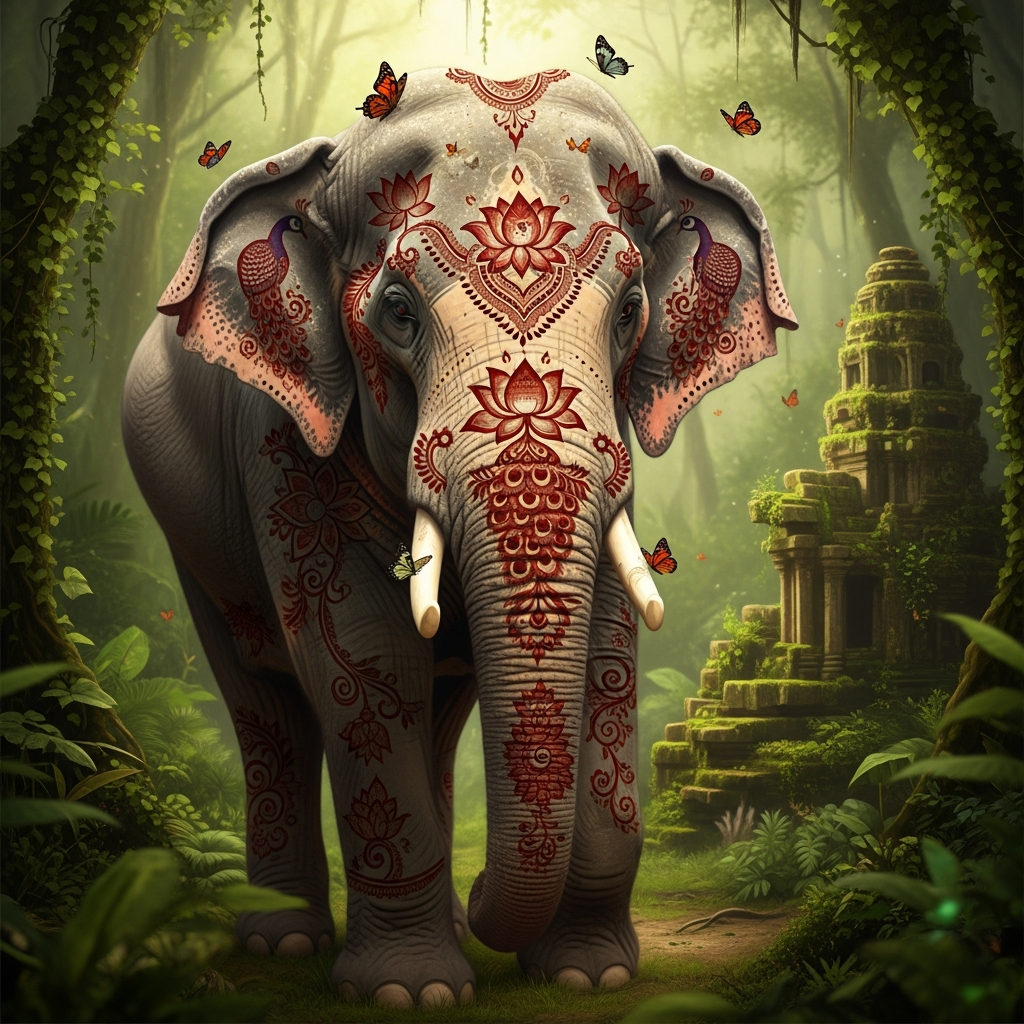
In many Eastern cultures, the elephant is a symbol of luck, prosperity, and wisdom. Lord Ganesha in Hinduism, depicted with an elephant head, is the remover of obstacles and the patron of sciences and arts. In these traditions, the “beauty” of the elephant is synonymous with the “beauty” of a wise and stable mind.
The Grace of the Giant
There is an undeniable aesthetic beauty in the way an elephant moves. Despite their massive weight, they walk with a near-silent tread, thanks to the fatty pads in their feet that act as shock absorbers. Their trunks, containing over 40,000 muscles, are capable of both uprooting trees and picking up a single blade of grass with delicate precision. This duality of power and gentleness is the essence of their meaningful beauty.
The Threat to Wisdom: Why Memory is at Risk
The meaningful beauty of elephant memory is currently under threat. Human activities are disrupting the very systems that allow these animals to thrive.
Habitat Fragmentation
As humans encroach on wild spaces, the “maps” stored in an elephant’s memory become obsolete. Ancient migratory routes are blocked by fences, farms, and roads. When an elephant follows its memory to a traditional feeding ground only to find a village, the result is often human-wildlife conflict.
The Loss of Elders
Poaching for ivory often targets the largest elephants, which are typically the oldest members of the herd—the matriarchs and the “great tuskers.” When a matriarch is killed, the herd loses its “library.” The younger elephants are left without a guide, leading to increased stress, social instability, and a higher mortality rate for the calves.
Protecting elephants is not just about saving a species; it is about preserving a unique form of wildlife wisdom that has evolved over millions of years.
Lessons for Humanity: Embracing the Elephant Mindset
What can we, as humans, learn from the Elephant Memory Meaningful Beauty? Their lives offer several profound lessons that can improve our own well-being and social structures.
- Value Your Elders: Just as the herd relies on the matriarch, our society benefits when we respect and utilize the experience of our older generations.
- Nurture Social Bonds: Elephants remind us that we are social creatures. Our strength lies in our connections to one another.
- Practice Forgiveness (and Remembrance): While elephants remember trauma, they also show a remarkable capacity to move forward and protect their young.
- Live with Purpose: Every action an elephant takes—from digging a well to comforting a calf—is rooted in a deep sense of purpose and community.
Step-by-Step: How to Support Elephant Conservation
If you are moved by the meaningful beauty of these creatures, you can take practical steps to ensure their memories continue to flourish in the wild.
- Step 1: Support Ethical Tourism. Only visit sanctuaries that do not allow riding or forced performances. Look for “hands-off” observation centers.
- Step 2: Say No to Ivory. Never purchase products made from ivory. Even “antique” ivory fuels the demand for modern poaching.
- Step 3: Donate to Habitat Protection. Organizations like the Save the Elephants or the Elephant Crisis Fund work to secure migratory corridors.
- Step 4: Spread Awareness. Share the stories of elephant intelligence and their emotional lives. Education is the first step toward conservation.
The Interconnection of All Things
The story of the elephant is a story of interconnection. Their memory connects the past to the present, their social bonds connect individual to individual, and their presence connects us to the primal beauty of the natural world.
When we look at an elephant, we are looking at a creature that carries the history of the earth in its mind. That is the ultimate definition of Elephant Memory Meaningful Beauty. It is a beauty that is earned through years of survival, a beauty that is shared through teaching, and a beauty that is felt through deep, enduring love.
Frequently Asked Questions (FAQ)
Do elephants really never forget?
While “never” is a strong word, elephants have an extraordinary long-term memory. They can remember specific locations, individual faces (both elephant and human), and complex social signals for several decades. This memory is crucial for their survival in changing environments.
Why is elephant memory considered “beautiful”?
It is considered “meaningful beauty” because it isn’t just a biological data bank; it is the foundation for empathy, grief, and social cohesion. Their memory allows them to form deep emotional bonds and act with a level of wisdom that is rare in the animal kingdom.
How does poaching affect elephant memory?
Poaching often removes the oldest and wisest members of a herd. Since elephants rely on these elders for “ecological knowledge” (where to find food and water), their deaths can lead to the loss of vital information, making the remaining herd members more vulnerable.
Can elephants recognize themselves in a mirror?
Yes, elephants are one of the few species (along with dolphins, great apes, and magpies) that have passed the mirror self-recognition test. This indicates a high level of self-awareness, which is a key component of their advanced cognition.
What is the spiritual meaning of an elephant?
In many cultures, the elephant represents strength, patience, loyalty, and wisdom. Their ability to remember is seen as a symbol of the soul’s journey and the importance of ancestral knowledge.
Conclusion: A Legacy Worth Preserving
The Elephant Memory Meaningful Beauty is a reminder that intelligence comes in many forms. In the elephant, we see a blend of cognitive power and emotional sensitivity that challenges our understanding of the animal world.
By valuing their memory and protecting their habitats, we aren’t just saving a large mammal; we are honoring a lineage of wisdom that has graced our planet for eons. Let us ensure that the future of these giants is as bright and enduring as the memories they carry.