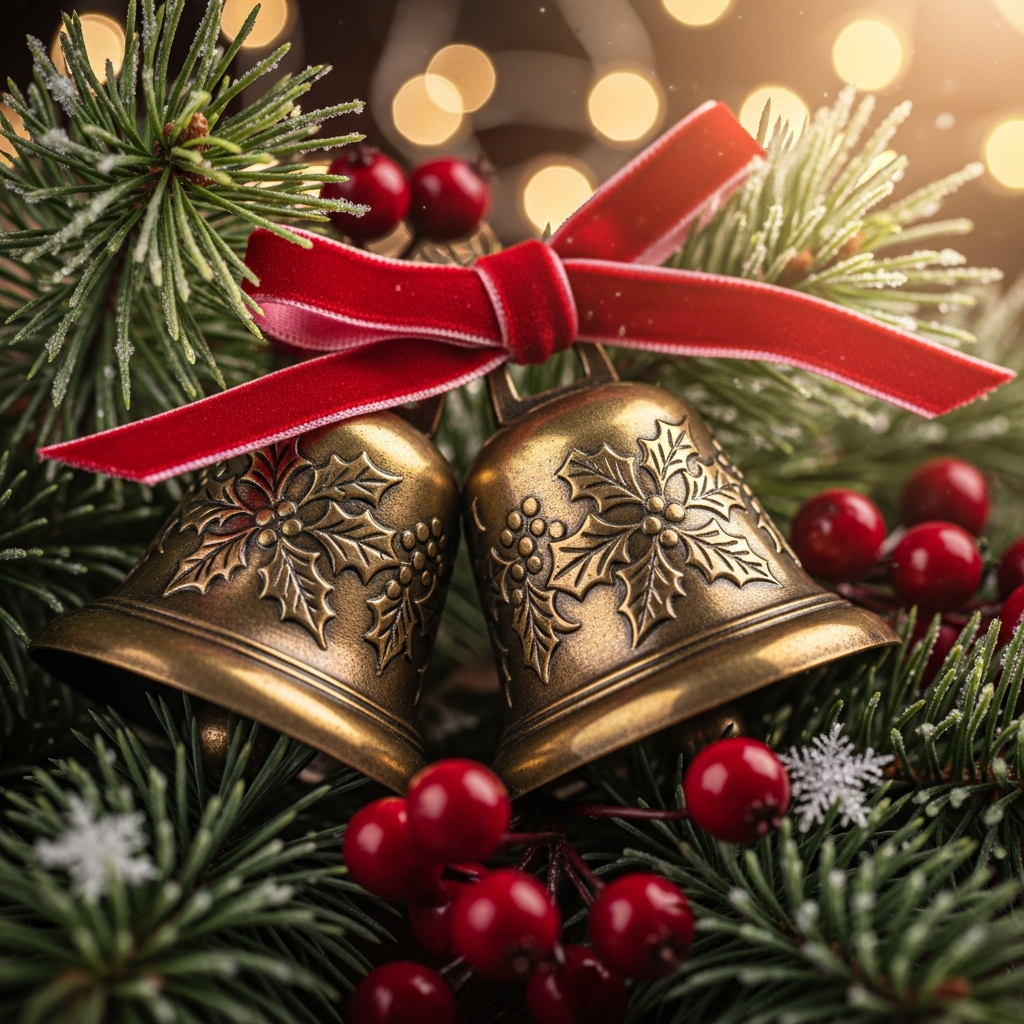
The History and Magic of Christmas Bells: A Complete Guide to a Timeless Holiday Tradition
The sound of Christmas bells is perhaps one of the most evocative symbols of the holiday season. From the distant tolling of a cathedral bell on a snowy Christmas Eve to the cheerful jingling of sleigh bells in a popular carol, these sounds signal a time of joy, reflection, and celebration. For centuries, bells have played a pivotal role in human history, bridging the gap between the secular and the sacred.
In this comprehensive guide, you will explore the multifaceted world of Christmas bells. You will learn about their ancient origins, their deep symbolic meanings, their role in music and literature, and how you can incorporate them into your modern holiday celebrations.
The Ancient Origins: From Winter Solstice to Christmas
Long before bells were associated with the birth of Christ, they were used in pagan rituals across Europe. During the winter solstice, ancient peoples believed that loud noises could ward off evil spirits and “wake up” the sun during the darkest days of the year.
The Transition to Christian Traditions
As Christianity spread throughout Europe, many local customs were integrated into church practices. By the Middle Ages, the ringing of church bells became a standard way to announce the start of a religious service. In the context of Christmas, bells were used to proclaim the “Good News” of the Nativity.
In many high-church traditions, the ringing of the “Sanctus bell” during the Christmas Midnight Mass serves as a solemn announcement of the miracle of the Incarnation. This transition from scaring away spirits to inviting divine presence marks the evolution of the bell as a tool of spiritual communication.
The Deep Symbolism of Christmas Bells
To understand why we still hang bells on our trees and doors today, you must look at what they represent. In a formal sense, bells are instruments of announcement and celebration.
- The Proclamation of Birth: Just as a town crier would use a bell to get attention, Christmas bells symbolize the announcement of Jesus’ birth to the world.
- A Call to Worship: Historically, the bell was the only way to synchronize a community. It calls the faithful to gather in peace and unity.
- Joy and Jubilation: Unlike the somber tolling used for funerals, Christmas ringing is usually fast-paced and melodic, reflecting the happiness of the season.
- Guidance and Protection: In many folk traditions, bells were hung on livestock to keep them safe. During Christmas, they symbolize the guidance provided by the Star of Bethlehem.
The Evolution of Sleigh Bells and “Jingle Bells”
When you think of a “Christmas bell,” you likely picture the small, round sleigh bells (also known as crotal bells). These have a fascinating history rooted in practical necessity rather than holiday cheer.
A Safety Requirement
In the 18th and 19th centuries, horse-drawn sleighs were nearly silent when traveling over snow. To prevent collisions at intersections or in the dark, it became a legal requirement in many areas to attach bells to the horse’s harness. The “jingle” was a warning to pedestrians and other drivers.
The Musical Legacy
This practical safety feature eventually inspired one of the most famous songs in history: “Jingle Bells.” Interestingly, the song was originally written by James Lord Pierpont in the mid-19th century for a Thanksgiving program, not Christmas. However, the imagery of the bells and the winter setting made it an inseparable part of the Christmas canon.
The Art of Handbell Ringing
One of the most sophisticated ways Christmas bells are utilized is through handbell choirs. This tradition, which gained massive popularity in the Victorian era, involves a group of musicians each responsible for specific notes.
Precision and Harmony
Handbell ringing requires immense coordination. Unlike a piano where one person controls all notes, a handbell choir must act as a single instrument. This collaborative effort is often seen as a metaphor for the Christmas spirit—individuals working in perfect harmony to create something beautiful.
The Victorian Influence
The Victorians were obsessed with “caroling” and musical performance. It was during this period that handbell sets became common in both churches and secular social clubs, solidifying the bell’s place in the “classic” Christmas aesthetic we recognize today.
Iconic Christmas Bell Music and Carols
The influence of bells extends deeply into musicology. Several of the world’s most beloved carols are centered entirely around the theme of bells.
- “Carol of the Bells”: Based on a Ukrainian folk chant called “Shchedryk,” this piece uses a four-note ostinato to mimic the sound of ringing bells. It is known for its hauntingly beautiful and energetic pace.
- “Silver Bells”: This classic, popularized by Bing Crosby, shifts the focus from the countryside to the city. It describes the “ring-a-ling” of shoppers’ bells and the festive atmosphere of urban Christmas.
- “I Heard the Bells on Christmas Day”: Based on a poem by Henry Wadsworth Longfellow, this song deals with the contrast between the “peace on earth” promised by the bells and the reality of human conflict (specifically the American Civil War).
Global Traditions: How the World Rings in Christmas
Different cultures have unique ways of incorporating bells into their festivities:
- The United Kingdom: Many churches practice “full circle ringing,” a complex and physically demanding method of ringing large church bells in mathematical patterns.
- Scandinavia: In some Nordic traditions, the ringing of the bells at 5:00 PM on Christmas Eve officially signals the start of the holiday, at which point all work must cease.
- Italy: In many Italian villages, the “Piva” (a traditional bagpipe and bell ensemble) wanders the streets to bring musical blessings to homes.
How to Incorporate Christmas Bells into Your Decor
If you wish to bring the charm of Christmas bells into your own home, there are several elegant ways to do so. Bells are versatile decorative elements that fit various styles, from rustic farmhouse to modern minimalist.
1. The Entrance Wreath
Adding a cluster of vintage brass bells to your front door wreath provides both a visual and auditory greeting. Every time a guest enters, they are welcomed by a soft, festive chime.
2. The Christmas Tree
Small silver or gold bell ornaments are excellent for adding depth to your tree. Because they reflect light differently than glass baubles, they create a sophisticated shimmer. You can also use a “bell garland” to wrap around the branches.
3. Table Centerpieces
For a formal holiday dinner, consider placing a decorative handbell at each place setting. Not only does this serve as a beautiful favor for your guests, but it can also be used to “ring in” the different courses of the meal.
4. Mantel Displays
Large, oversized “temple bells” or “cow bells” finished in an antique gold patina are currently a major trend in interior design. Placing these on a mantel surrounded by evergreen boughs creates a striking focal point.
The Science of the Sound: Why Bells Fascinate Us
There is a scientific reason why the sound of a bell feels so “right” during Christmas. Bells produce complex overtones. When a bell is struck, it doesn’t just vibrate at one frequency; it produces a series of notes that harmonize with each other.
This creates a “rich” sound that humans perceive as authoritative yet comforting. In the cold, crisp air of winter, sound waves travel differently, often making the tolling of a distant bell sound clearer and more magical than it would in the humid summer months.
Christmas Bells in Literature and Film
The cultural impact of these instruments is immortalized in some of our favorite stories:
- “It’s a Wonderful Life”: The famous line, “Every time a bell rings, an angel gets his wings,” has made the small bell a symbol of hope and divine intervention.
- “The Polar Express”: In this story, the bell represents the “spirit of Christmas.” Only those who truly believe can hear its beautiful sound. This narrative reinforces the idea that the magic of the season is something felt in the heart.
Expert Tips for Choosing and Maintaining Your Bells
If you are looking to purchase high-quality bells, keep these expert tips in mind:
- Material Matters: For the best sound, look for bells made of bronze or high-quality brass. Steel bells tend to have a shorter, “tinny” ring.
- Check the Clapper: Ensure the clapper (the part that hits the side) is securely attached and made of a material that won’t damage the bell’s interior over time.
- Cleaning: For antique brass bells, avoid harsh chemicals. A simple mixture of lemon juice and baking soda can restore their shine without stripping the character-rich patina.
Summary: The Enduring Legacy
The Christmas bell is more than just a decoration or a musical instrument; it is a bridge between the past and the present. It carries the weight of history, the joy of the present, and the hope of the future. Whether you are listening to a professional choir or hanging a small ornament on your tree, you are participating in a tradition that has echoed through the ages.
As you move through this holiday season, take a moment to pause when you hear the sound of a bell. Let it remind you of the peace, community, and celebration that define the true spirit of Christmas.
Frequently Asked Questions (FAQ)
What is the most famous Christmas song about bells?
The most famous is undoubtedly “Jingle Bells,” followed closely by “Carol of the Bells” and “Silver Bells.” Each represents a different aspect of the holiday, from snowy playfulness to urban elegance.
Why do we ring bells at midnight on Christmas Eve?
This tradition, known as “ringing in the Christmastide,” symbolizes the announcement of the birth of Jesus. It is a celebratory signal that the period of waiting (Advent) is over.
What do silver bells symbolize?
In modern culture, silver bells often symbolize the “city Christmas”—the sound of bells on street corners, often associated with charity (like the Salvation Army) and the bustling joy of holiday shopping.
Are Christmas bells and sleigh bells the same thing?
Sleigh bells are a specific type of bell (crotal bells) designed to be attached to horse harnesses. While they are the most iconic “Christmas” sound, Christmas bells also include large church bells and musical handbells.
How can I use bells in DIY Christmas crafts?
You can tie small bells to gift ribbons, sew them onto holiday stockings, or create a “door hanger” by stringing several bells together with a thick velvet ribbon.