Mochi Meaning: An In-Depth Exploration of Japan’s Sacred Rice Cake
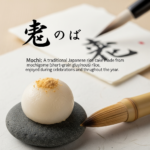
To the uninitiated, mochi might appear as a simple, chewy confection often found in the frozen dessert aisle. However, the true mochi meaning transcends its physical form as a rice cake. In Japanese culture, mochi is a symbol of strength, community, and divinity, carrying a heritage that spans over a thousand years.
As a professional in the culinary or cultural studies field, understanding mochi requires looking beyond the sugar-coated exterior. It involves examining the etymology, the ritualistic preparation, and the spiritual significance that has cemented this food as a cornerstone of Japanese identity. This guide provides a comprehensive analysis of mochi in all its dimensions.
The Etymological Origins: What Does “Mochi” Actually Mean?
The linguistic roots of the word “mochi” are as dense and layered as the cake itself. While the exact origin remains a subject of academic debate, several theories provide insight into the mochi meaning from a historical perspective.
One prevalent theory suggests that “mochi” is derived from the verb motsu (持つ), which means “to hold” or “to have.” This reflects the belief that mochi is a food given by the gods, intended to be held in one’s soul to provide spiritual sustenance. Another theory links it to the word mochizuki (望月), meaning “full moon,” referencing the round shape of the traditional cakes and the folklore of the “Rabbit in the Moon” pounding rice.
Furthermore, the term omochi is often used with the honorific prefix “o,” signifying the deep respect the Japanese people hold for this substance. It is not merely a snack; it is an esteemed offering that bridges the gap between the mundane and the divine.
The Spiritual Essence: Mochi as the Vessel of Inadama
In Shintoism, Japan’s indigenous spirituality, rice is considered a sacred grain. The mochi meaning is deeply intertwined with the concept of Inadama (the spirit of rice). It is believed that by pounding rice into a concentrated form, the spiritual energy of the grain is amplified.
- A Symbol of Vitality: Consuming mochi is thought to grant the eater the strength and health of the rice spirit.
- Offerings to the Kami: Mochi is a primary offering to the Kami (gods) during festivals and ceremonies to ensure a bountiful harvest.
- Kagami Mochi: Translating to “Mirror Mochi,” these are two stacked rounds topped with a bitter orange (daidai), placed on family altars during the New Year to welcome the deity Toshigami-sama.
By understanding this spiritual weight, you can appreciate why mochi is treated with such reverence during seasonal transitions and life milestones.
The Ritual of Mochitsuki: Community and Labor
One cannot discuss the meaning of mochi without addressing Mochitsuki, the traditional rice-pounding ceremony. This is not a solitary task but a high-energy, communal event that requires synchronized labor and precise timing.
The Tools of the Trade
Traditional Mochitsuki utilizes two primary tools: the Usu (a large stone or wooden mortar) and the Kine (a heavy wooden mallet). The process involves soaking mochigome (glutinous short-grain rice) overnight, steaming it, and then pounding it into a smooth, elastic paste.
The Rhythm of the Pound
The ceremony involves two people: one to swing the Kine and another to turn and wet the rice between strikes. This requires immense trust and coordination. The rhythmic shouting and physical exertion represent the unity of the community and the shared effort required to sustain life.
In a modern context, while many use automatic mochi-making machines, the traditional ceremony is still performed at shrines and community centers to preserve the cultural mochi meaning of togetherness.
Varieties of Mochi: Beyond the Basic Rice Cake
The versatility of mochi allows it to take many forms, each with its own specific meaning and purpose in the Japanese culinary calendar. As an expert, distinguishing between these varieties is essential for a nuanced understanding.
1. Daifuku
Perhaps the most recognizable form, Daifuku (literally “Great Luck”) consists of a soft mochi shell stuffed with Anko (sweet red bean paste). It serves as a popular gift, symbolizing a wish for prosperity and good fortune for the recipient.
2. Sakura Mochi
Eaten during the spring, particularly on Hinamatsuri (Girls’ Day), this mochi is pink-tinted to resemble cherry blossoms and wrapped in a pickled cherry leaf. It represents the transience of beauty and the arrival of a new season.
3. Kusa Mochi
Also known as “Grass Mochi,” this variety is flavored with yomogi (Japanese mugwort). Historically, it was believed to ward off evil spirits and promote longevity due to the medicinal properties of the herb.
4. Zoni and Shiruko
Mochi is also consumed in savory and sweet soups. Zoni is a savory New Year’s soup, while Shiruko is a sweet dessert soup made of azuki beans. These dishes highlight mochi’s ability to absorb flavors while maintaining its distinct texture.
The Science of Texture: Understanding “Mochi-Mochi”
In the professional culinary world, the texture of mochi is described by the onomatopoeia mochi-mochi. This refers to a unique combination of elasticity, chewiness, and softness that is highly prized in Japanese gastronomy.
The science behind this texture lies in the amylopectin content of glutinous rice. Unlike regular table rice, which has a mix of amylose and amylopectin, mochigome is almost entirely amylopectin. When steamed and pounded, these starch molecules become highly branched and sticky, creating the signature “Q-texture” that enthusiasts crave.
Mochi in the Modern Era: Global Evolution
The mochi meaning has evolved as it traveled across borders. In the late 20th century, the invention of Mochi Ice Cream by Frances Hashimoto in Los Angeles revolutionized the perception of this traditional food. It transformed mochi from a culturally specific ritual food into a global “fusion” sensation.
Today, you will find mochi incorporated into donuts (Pon de Ring), waffles (Moffles), and even high-end French pastries. While these modern iterations focus more on the sensory experience than the spiritual roots, they contribute to the ongoing legacy of mochi as a resilient and adaptable food source.
Safety and Consumption: A Professional Note
Despite its delicious nature and cultural importance, mochi poses a significant physical risk if not handled properly. Due to its extreme stickiness and elasticity, it can be a choking hazard, particularly for the elderly and young children.
- Proper Preparation: Mochi should always be cut into small, bite-sized pieces.
- Consumption Technique: It is advised to chew thoroughly and never eat mochi while alone or distracted.
- Hydration: Drinking water or tea before and during consumption helps lubricate the throat.
In Japan, emergency services often issue warnings during the New Year period, reminding us that the meaning of mochi also includes a profound respect for its physical power.
Expert Tips for Storing and Preparing Mochi
If you are looking to incorporate mochi into your professional repertoire or home kitchen, follow these expert guidelines to ensure quality:
- Avoid Refrigeration: Fresh mochi hardens quickly in the fridge. For short-term storage, keep it in a cool, dark place. For long-term, wrap it tightly and freeze it.
- Reheating Methods: To restore its chewiness, you can grill it (Kirimochi), boil it briefly, or microwave it with a splash of water.
- Preventing Stickiness: Use potato starch (katakuriko) or cornstarch liberally when handling fresh mochi to prevent it from adhering to surfaces and hands.
Frequently Asked Questions (FAQ)
What is the difference between Mochi and Daifuku?
Mochi is the name of the rice cake itself (the dough), while Daifuku is a specific type of confection where the mochi dough is wrapped around a sweet filling, usually red bean paste.
Is mochi gluten-free?
Yes, traditional mochi made from 100% glutinous rice is naturally gluten-free. However, “glutinous” refers to the glue-like consistency, not the presence of gluten. Always check for cross-contamination in commercial brands.
Why is mochi eaten specifically at New Year?
Mochi has long been associated with good omens and longevity. Its “stretchy” nature symbolizes a long life, and eating it at the start of the year is believed to provide the strength needed for the months ahead.
Can I make mochi at home without an Usu?
Absolutely. You can use a stand mixer with a dough hook, a dedicated mochi-making machine, or even use Mochiko (sweet rice flour) to steam and stir a quick version of the dough.
Conclusion: The Enduring Legacy of Mochi
In summary, the mochi meaning is a rich tapestry of history, religion, and culinary art. It is a food that requires patience to make, community to celebrate, and mindfulness to eat. Whether it is served as a sacred offering on a Shinto altar or enjoyed as a trendy ice cream treat in a bustling city, mochi remains a testament to the enduring power of Japanese tradition.
For the professional, mochi represents the perfect intersection of food science and cultural heritage. By respecting its origins and understanding its complexity, you can truly appreciate why this humble rice cake continues to captivate the world.