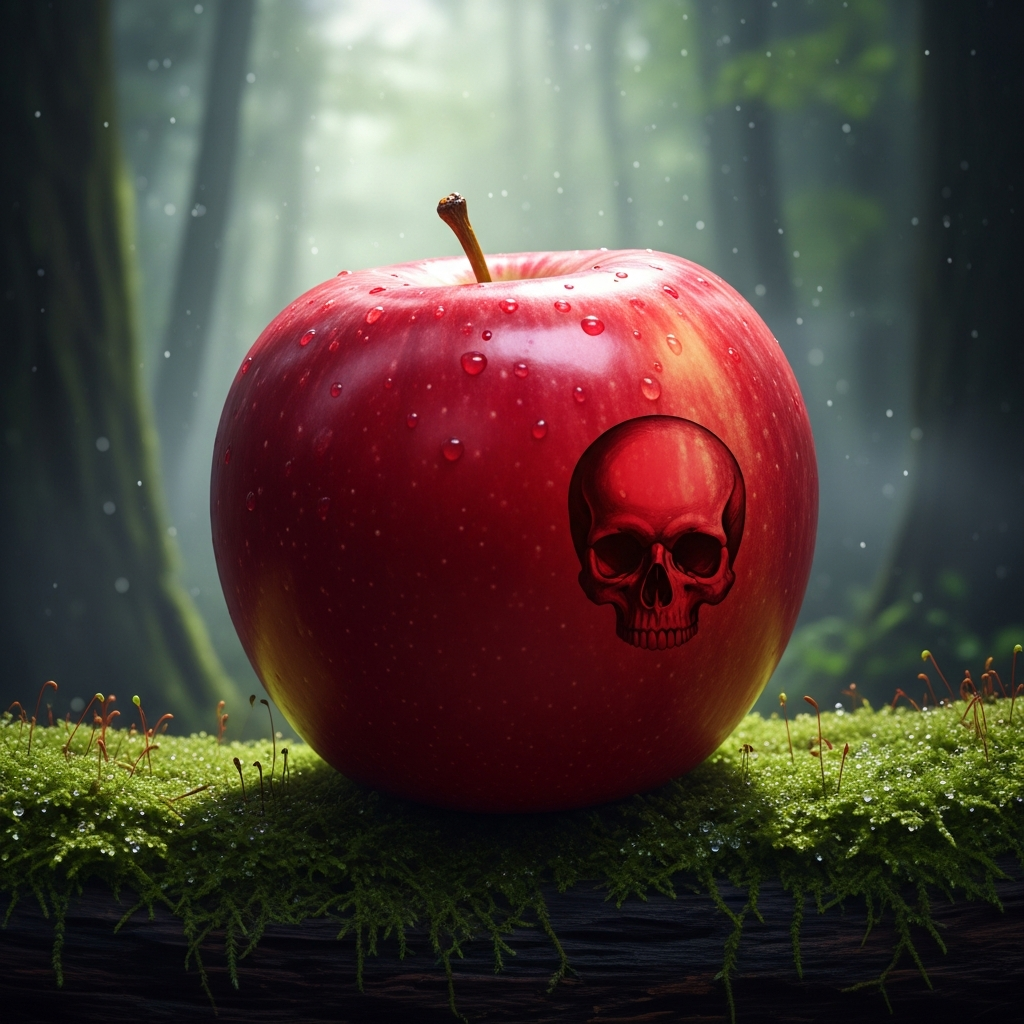
Snow White Apple
The term “Snow White Apple” evokes a dual image: for many, it conjures the iconic, often ominous, fruit from a beloved fairy tale, while for discerning fruit enthusiasts, it refers to actual apple varieties renowned for their strikingly white flesh and delightful flavors. This article delves into both dimensions, exploring the historical charm of heritage cultivars like the Fameuse and the modern appeal of the SnowSweet apple, celebrated for its unique qualities and culinary versatility. We will also explore the powerful cultural impact of the legendary poisoned fruit from the classic narrative.

The Alluring Charm of Real Snow White Apple Varieties
Beyond the realms of fantasy, real “Snow White Apple” varieties offer a genuine treat for the senses. These apples are cultivated for their distinct characteristics, most notably their interior color, which remains pristine and bright, living up to the “snow white” descriptor. Their appeal extends beyond aesthetics, encompassing a rich spectrum of flavors and textures that make them a favorite among growers and consumers alike.
Discovering the SnowSweet Apple: A Modern Delight
The SnowSweet apple is a relatively new and exciting addition to the apple family, quickly gaining popularity for its exceptional attributes. This particular Snow White Apple stands out for its firm, crisp, and notably slow-to-oxidize flesh, making it an ideal choice for fresh consumption and culinary preparations where browning is a concern.
Developed by the University of Minnesota and introduced in 2006, the SnowSweet apple is a hybrid resulting from a cross between the Sharon and Connell Red varieties. Its development aimed to combine robust flavor with practical benefits, making it a highly desirable fruit. This Snow White Apple boasts a unique flavor profile that is often described as sweet with a slight tart balance, complemented by rich overtones that some tasters even liken to a buttery sensation. The firm, snowy-white flesh provides a satisfying crunch, enhancing the overall eating experience.
One of the most remarkable features of the SnowSweet apple is its resistance to browning. Unlike many other apple varieties that quickly turn brown after being cut and exposed to air, the SnowSweet apple oxidizes very slowly. This characteristic makes the SnowSweet apple incredibly versatile for meal preparation, allowing you to slice them ahead of time for salads, fruit platters, or snacks without losing their appealing white appearance. This particular Snow White Apple is a true game-changer for entertaining or simply enjoying fresh apple slices throughout the day.
Cultivation of the SnowSweet apple thrives in temperate climates, showcasing its adaptability to various soil types, although it prefers well-drained, fertile soil. It is recognized for its cold-hardy nature, a testament to the University of Minnesota’s breeding program focused on varieties suitable for northern apple-growing regions. These trees typically exhibit vigorous, upright growth and can reach significant heights, yielding consistent, high-quality fruit with proper care. The fruit itself is typically medium to large, with a round to slightly conical shape and a smooth, glossy skin that is predominantly red with yellow-green undertones.
The Historic Fameuse (Snow Apple): A Heritage Gem
Before the advent of modern varieties, the Fameuse apple, often simply called the “Snow Apple,” reigned supreme as a cherished heirloom fruit. This historic Snow White Apple variety has a rich past, with records noting its presence in Canada as early as 1739 and its introduction to the United States in the same year. Its origins are debated, with some experts tracing it back to 17th-century France and others suggesting its development from French seedlings in Canada. Regardless of its exact birthplace, the Fameuse was a widely cultivated apple in Quebec for over a century, found in almost every French settlement in the late 1700s.
The name “Snow” for this Snow White Apple variety is derived directly from its incredibly white flesh, a characteristic that was highly prized. This distinct bright “snow white” flesh can also exhibit pale pink, red, or pale-yellow hues, sometimes even featuring red streaks or crimson stains near the skin. The skin typically presents as crimson with green stripes, adding to its visual appeal. These apples are generally small to medium in size and ripen in early fall, usually from late September to early October.
In terms of flavor, the Fameuse Snow Apple is celebrated for being very sweet and sub-acid, offering a tender and juicy texture with a nice crispness. Its taste profile is often described as having a smooth, sweet, wine-like flavor complemented by a distinct strawberry-like aroma. This unique blend of characteristics made it a popular dessert apple, primarily consumed fresh. Furthermore, its aromatic qualities made the Fameuse an excellent choice for apple cider. It also performed well in baked goods and sauces, contributing its unique flavor to various culinary applications.
Despite its historical prominence, the Fameuse Snow Apple faced significant challenges. An unknown disease or severe cold snap in the 1860s decimated many trees, leading to a decline in its cultivation and eventual obscurity. Today, it is rarely grown, making it a true heritage variety sought after by those interested in preserving historical apple cultivars. The resilience of the Snow Apple in cold winters is another reason for its name, as it was well-suited to northern climates.
Cultivating Your Own Snow White Apple Tree
Growing your own Snow White Apple can be a rewarding experience, allowing you to enjoy fresh, crisp fruit directly from your garden. Whether you choose the modern SnowSweet or the heritage Fameuse, understanding proper cultivation techniques is key to a successful harvest. These apples, like many fruit trees, require specific conditions and care to thrive, ensuring they produce bountiful and delicious fruit.
Choosing the Right Variety for Your Garden
Selecting the appropriate Snow White Apple variety is the first crucial step for any aspiring gardener. If you are seeking a reliable, low-browning apple with a modern flavor profile and excellent storage capabilities, the SnowSweet apple is an outstanding choice. Its genetic lineage was specifically developed for robust performance and consumer appeal, making it a great option for many home orchards. This particular Snow White Apple offers a balance of sweetness and tartness that appeals to a wide range of palates.
On the other hand, if you are a history enthusiast or keen on preserving rare and flavorful heirloom varieties, the Fameuse (Snow Apple) might be a fascinating project. Be aware that this Snow White Apple, while historically significant and delicious, may present more challenges due to its susceptibility to certain diseases and its general rarity. It is a commitment to a piece of pomological history, often requiring more attentive care and perhaps a search for specialized nurseries. For smaller gardens, regardless of variety, choosing an apple grafted to an M9 rootstock can help keep the tree compact and productive.
Planting and Site Selection for Optimal Growth
Apple trees, including Snow White Apple varieties, flourish in full sun, meaning they need at least six hours of direct sunlight daily to produce their best fruit. The ideal soil for these trees is well-drained and fertile, with a pH range between 6 and 7.5. Heavy clay soils can hinder growth by leading to root rot, so incorporating gypsum and organic matter can improve soil structure in such cases. Good air circulation is also vital to minimize the risk of fungal leaf diseases, so avoid planting in overly sheltered or congested areas.
Protection from strong winds is important to prevent damage to flowers and developing fruit. Similarly, selecting a spot uphill rather than in frosty gullies can shield your young Snow White Apple trees from damaging cold air pockets. The best time to plant dormant, bare-rooted apple trees is typically in winter. When planting, dig a square hole, ensure the graft point (the bulge on the stem where the rootstock was joined) sits just above soil level, and firm the soil around the roots to eliminate air pockets.
Care and Maintenance for Healthy Trees
Consistent care is essential for a productive Snow White Apple tree. Watering is crucial, especially during the summer months when fruits are forming; aim for a thorough soak once a fortnight if there’s no rain, and maintain good mulch around the base to retain moisture. Fertilization should occur in early spring, summer, and autumn once the trees begin cropping, using a well-balanced organic fertilizer. Young trees benefit from regular light feeding to encourage strong root and canopy development.
Pruning is a critical aspect of apple tree care. Formative pruning in the early years establishes a strong framework, ideally a vase-shaped frame with an open center to allow sunlight penetration and good airflow. This also encourages branching. In winter, main leaders should be cut back by half to outward-facing buds. During summer, pinch out inward-facing growth and thin out congested fruits to about one every 10cm, removing any damaged ones, to allow the tree to focus nutrients on fewer, larger Snow White Apple fruits. Apples also generally require cross-pollination from another apple tree of a different, compatible cultivar that flowers at the same time to produce fruit. The presence of bees is vital for effective pollination.
Harvesting and Storage
Harvesting for Snow White Apple varieties typically occurs in the fall, with specific timing depending on the cultivar. For SnowSweet apples, this is usually from September to October. It is best to let the fruits ripen on the tree for as long as possible to achieve the best color and flavor. Knowing when to pick requires observing the fruit’s color, firmness, and ease of separation from the branch.
Once harvested, proper storage can extend the enjoyment of your Snow White Apple. Most apples, including the SnowSweet variety, can be stored for one to two months, though some can last longer. The ideal storage environment is a cool, dark, and well-ventilated space, such as a garage or shed. For best results, apples can be wrapped individually and placed on trays, ensuring they do not touch each other, which helps prevent spoilage. Regularly check stored apples and remove any that show signs of softening, browning, or rotting to prevent others from spoiling. The unique slow-browning quality of SnowSweet apples also means they retain their fresh appearance longer even after being sliced, making them excellent for preparing ahead for various uses.
The Iconic Poisoned Snow White Apple: A Cultural Phenomenon
While real apple varieties delight with their flavors, the concept of a “Snow White Apple” is most widely recognized through the enduring fairy tale of Snow White and the Seven Dwarfs. This mythical fruit, central to the narrative, has left an indelible mark on popular culture, symbolizing a complex interplay of beauty, temptation, and danger. The story itself, originally popularized by the Brothers Grimm and later by Disney, features a seemingly perfect apple that hides a sinister purpose, embodying a powerful cultural metaphor.
Symbolism in Folklore and Disney
In the classic fairy tale, the poisoned Snow White Apple is a pivotal object, representing the Evil Queen’s jealousy and her dark magical powers. The apple’s vibrant red color is not merely a coincidence; it is a potent symbol of temptation and danger, designed to lure Snow White with its irresistible appearance. Red, often associated with passion and desire, also serves as a warning sign, visually communicating the peril hidden within. This iconic Snow White Apple plays into deeper historical symbolism of apples across various cultures, where they have represented femininity, beauty, temptation, and even mortality since ancient Greek times.
The story highlights themes of good versus evil, innocence against malice, and the deceptive nature of appearances. The queen’s ability to disguise herself as an old peddler woman to offer the poisoned Snow White Apple further emphasizes this theme of hidden dangers behind a benign exterior. From a psychoanalytical perspective, some interpretations even suggest the apple in Snow White represents shared mature sexual desires and the consuming of women, a common trope in fairy tales. The single bite that sends Snow White into a death-like sleep until true love’s kiss revives her underscores the vulnerability of innocence and the power of love.

The Tale’s Enduring Impact
The story of Snow White and the poisoned Snow White Apple has transcended generations, influencing countless forms of media and art. The animated Disney film, released in 1937, cemented the visual and narrative elements of the poisoned apple in global consciousness. It became a trademark object for both Snow White and the Evil Queen, instantly recognizable as a symbol of the classic tale.
The enduring legacy is evident in how the poisoned Snow White Apple continues to be a point of reference and inspiration. It has become a shorthand for betrayal or a hidden danger within something seemingly appealing. The simplicity and visual power of the poisoned Snow White Apple make it a timeless motif, resonating with audiences who understand its implied meaning without needing lengthy explanations. This cultural depth gives the term “Snow White Apple” a weight that extends far beyond just a fruit.
Modern Interpretations and Merchandise
The poisoned Snow White Apple from the fairy tale frequently appears in various forms of merchandise, art, and culinary creations, showcasing its persistent cultural relevance. You can find “poisoned apple” themed items ranging from candy containers and mugs to fragrances and collectible figures. These items often play on the imagery of a shiny, red apple, sometimes with a skull motif or dripping “poison,” making them popular during Halloween or among Disney collectors.
Chefs and food artists have also drawn inspiration from the Snow White Apple, creating elaborate desserts and confections that mimic the appearance of the poisoned fruit. Recipes for “Snow White’s Poisoned Apples” often involve coating real apples in bright red, glossy candy, sometimes even incorporating sparkling or metallic finishes to enhance the magical, yet ominous, aesthetic. These creations often use everyday apples like Fuji as their base, transforming them into edible works of art.
Recent trends also include discussions around live-action movie adaptations of the classic Snow White story, where the “poisoned apple” remains a central plot device. These modern retellings explore the story’s themes for a new generation, keeping the iconic Snow White Apple relevant in contemporary discourse. While these adaptations may face their own challenges and controversies, the fundamental imagery and symbolism of the Snow White Apple continue to hold a powerful grip on the collective imagination.
The contrast between the fictional, harmful Snow White Apple and the healthy, nutritious real apple varieties is stark, reminding us that while stories entertain and symbolize, nature provides sustenance. It’s a playful juxtaposition that highlights the power of narrative while grounding us in the tangible benefits of actual fruit.
Nutritional Value and Health Benefits of Real Apples
Unlike its fictional counterpart, the real Snow White Apple varieties, such as SnowSweet and Fameuse, are packed with essential nutrients and offer numerous health benefits. Apples are widely recognized as one of the healthiest fruits available, contributing significantly to overall well-being. Consuming real apples regularly is a proactive step towards a healthier lifestyle, a stark contrast to the fictional poisoned Snow White Apple.
Apples are a rich source of fiber, which is crucial for digestive health. The fiber in apples aids in weight loss by promoting a feeling of fullness, helps reduce constipation, and supports a healthy gut microbiome. This vital component also plays a role in reducing the risk of heart disease by helping to lower cholesterol levels and blood pressure. Specifically, pectin, a type of soluble fiber found in apples, binds to cholesterol in the digestive tract, facilitating its removal from the body.
Moreover, Snow White Apple varieties and other apples are loaded with antioxidants, powerful substances that protect cells from damage caused by free radicals. Apple peels, especially from red varieties, are particularly rich in antioxidants like quercetin, which has anti-inflammatory properties and can protect your brain from oxidative stress. These antioxidants contribute to reducing inflammation throughout the body, improving lung function, and potentially lowering the risk of conditions like asthma.
The consumption of apples has also been linked to a reduced risk of certain chronic diseases. Studies suggest that regularly eating apples may decrease the risk of type 2 diabetes by helping to stabilize glucose levels and protecting pancreatic beta cells. The combination of fiber and antioxidants in apples also supports cardiovascular health by lowering blood pressure and cholesterol, thereby reducing the risk of stroke and heart attacks.
In addition to fiber and antioxidants, apples provide various vitamins and minerals, including Vitamin C, Vitamin K, potassium, and manganese, as well as smaller amounts of Vitamin A, B6, B2, and E. They are also approximately 85% water, making them a hydrating snack. To maximize these nutritional benefits, it’s recommended to eat the whole Snow White Apple, including the skin, as much of the beneficial compounds are concentrated there.
In essence, while the fairy tale Snow White Apple represents a perilous temptation, its real-life counterparts are wholesome and beneficial, offering a wealth of nutrients that support a healthy and vibrant life. It’s a wonderful example of how the literal fruit vastly differs from its fictional, symbolic role.
Conclusion
The term “Snow White Apple” wonderfully encapsulates both the magic of storytelling and the tangible delights of horticulture. On one hand, it conjures the powerful, cautionary imagery of the poisoned fruit from the timeless fairy tale, a symbol deeply ingrained in our cultural consciousness that speaks to themes of temptation, beauty, and hidden danger. This fictional Snow White Apple continues to fascinate and inspire, influencing everything from literature to merchandise and modern cinematic adaptations.
On the other hand, real apple varieties bearing the “Snow White” descriptor, such as the contemporary SnowSweet and the historic Fameuse, offer genuine culinary pleasures. The SnowSweet apple, with its remarkable slow-browning, crisp, and sweet-tart flesh, represents a triumph of modern breeding, providing a practical and delicious option for today’s consumers. Meanwhile, the Fameuse, or original Snow Apple, offers a taste of history, a heritage variety cherished for its distinctive snow-white interior and aromatic flavor, even if it is rarer to find today.
Whether you are enchanted by the symbolic weight of a fictional Snow White Apple or eager to savor the wholesome goodness of a real one, the phrase sparks a rich tapestry of associations. From the meticulous care required to cultivate these trees in temperate climates to their significant nutritional value brimming with fiber and antioxidants, the journey of the Snow White Apple, in all its forms, is indeed a compelling one. Embracing the diversity and depth that this simple yet profound fruit offers, we celebrate its enduring place in our stories and on our plates.
—
FAQ
Q1: Apa itu Snow White Apple?
A1: Istilah “Snow White Apple” dapat merujuk pada dua hal: apel beracun dari dongeng dan film Putri Salju, atau varietas apel asli seperti SnowSweet dan Fameuse (Snow Apple) yang dikenal dengan daging buahnya yang putih bersih.
Q2: Apa karakteristik utama SnowSweet apple?
A2: SnowSweet apple dikenal karena daging buahnya yang putih salju, renyah, manis-asam dengan sentuhan buttery, dan sangat lambat berubah warna menjadi cokelat setelah dipotong. Ini membuatnya ideal untuk camilan dan salad.
Q3: Di mana SnowSweet apple berasal?
A3: SnowSweet apple dikembangkan oleh University of Minnesota dan diperkenalkan pada tahun 2006, sebagai hasil persilangan antara varietas Sharon dan Connell Red.
Q4: Apa yang membuat Fameuse (Snow Apple) istimewa?
A4: Fameuse, atau Snow Apple, adalah varietas pusaka bersejarah yang dikenal dengan daging buahnya yang putih bersih, rasa manis, juicy, dengan aroma mirip stroberi dan anggur. Varietas Snow White Apple ini berasal dari abad ke-17 atau ke-18 di Prancis atau Kanada.
Q5: Apakah ada manfaat kesehatan dari mengonsumsi apel asli seperti Snow White Apple?
A5: Ya, apel asli seperti Snow White Apple kaya akan serat, antioksidan, vitamin, dan mineral. Mereka mendukung kesehatan pencernaan, jantung, dapat membantu mengurangi risiko diabetes tipe 2, dan memiliki sifat anti-inflamasi.